

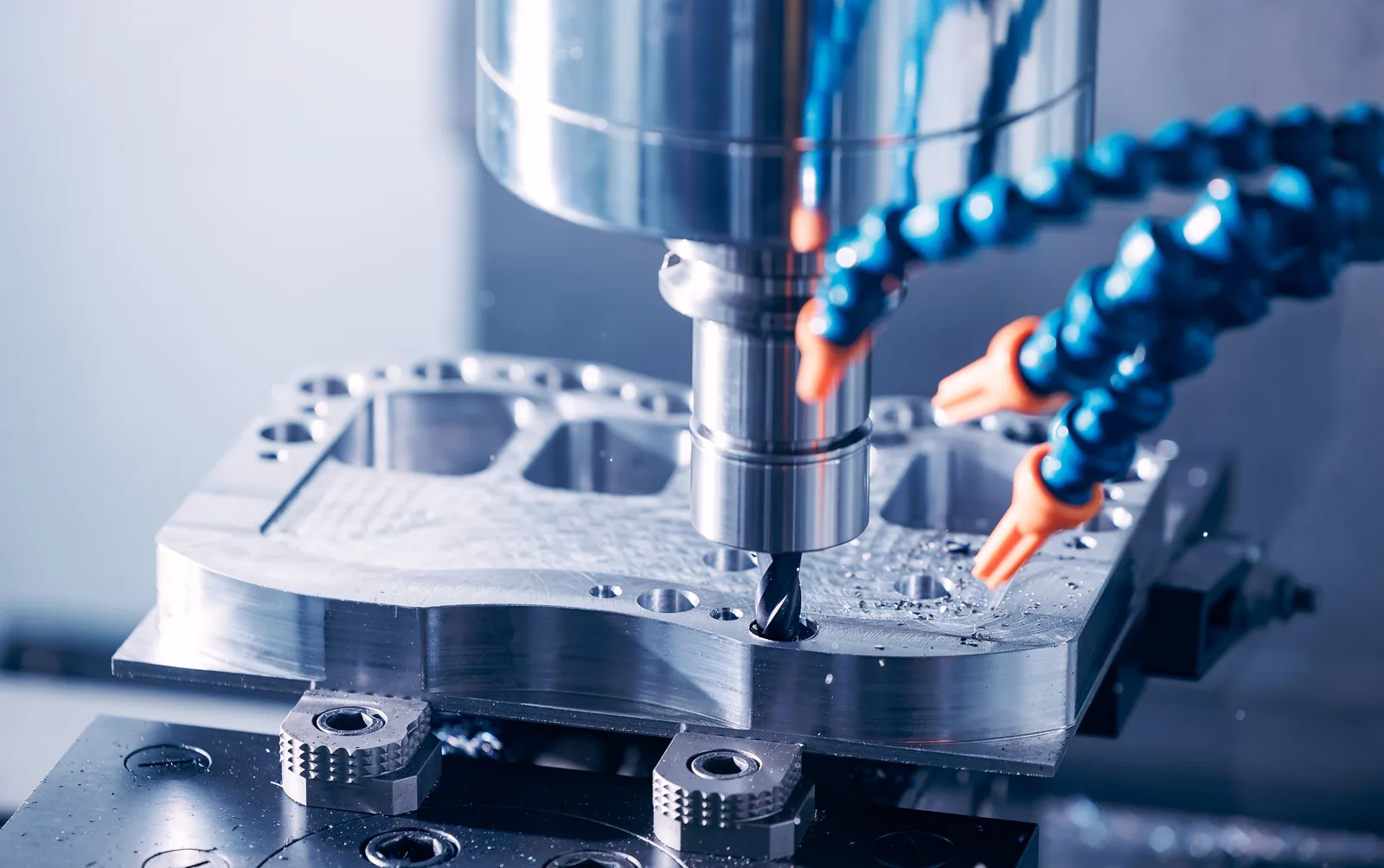
There is an honest version of why small machine shops automate, and it is not the one the robot brochures lead with. It is not about chasing a futuristic plant or replacing people you would rather keep. It is about the people you cannot hire. The most experienced machinists in the trade are retiring, the pipeline behind them is thin, and a small shop trying to grow runs into the same wall over and over: the work is there, and the hands to run it are not. Automation is the most direct answer most owners have to that wall — not because it removes the need for skill, but because it lets the skilled people you do have cover more of the floor.
This is a guide to starting that way: small, deliberate, and sized to the shop you actually run. The shops that get automation wrong tend to swing for a plant-scale project, stall on the cost and the complexity, and conclude it is not for them. The shops that get it right start with one cell, prove it, and grow from there. What follows is how to think about that first cell, what it really buys you, and where the retiring-veteran problem and the automation answer meet.
The labor gap is the real reason to automate
Start with the problem honestly, because it changes what a good solution looks like. A small shop’s constraint is rarely demand and rarely machines — it is people. You can quote the work, you have a machine that could run it, and you do not have an operator to stand in front of that machine for the shift. Worse, the operators you most want are the ones nearing the end of their careers, carrying decades of feel for the work in their heads, with no obvious replacement walking through the door.
Framed that way, automation is not about doing more with fewer people as a cost play. It is about doing the work at all when the people are not available to be hired. A robotic part-tender does not get a better résumé than a machinist; it does the repetitive loading and unloading that did not need a machinist’s judgment in the first place, so the machinist’s hours go to the work that does. That is the lever. The shortage is real, it is structural, and it is not getting better on its own — which is why so many shops are reaching for the same tool. Industry commentary captures the scale of it: a CADDi analysis has described roughly 69% of manufacturers as investing in robotics or automation, a share that moves with the survey but tells a consistent story about where the trade is heading.
Start with one cell, not a plant
The single most useful decision a small shop can make about automation is to make it small. You are not automating the shop; you are automating one machine, with one job, and learning everything the next cell will need you to know.
The entry points are well-worn and proven:
- Robotic part-tending. A compact robot — often a collaborative arm that can sit safely beside an operator — loads raw stock into a machine and unloads the finished part, so the machine keeps cutting between an operator’s other tasks instead of waiting on a hand to open the door.
- Bar feeding. On a lathe running shaft or pin work, a bar feeder turns a stack of material into hours of unattended cutting, because the machine pulls its own stock and parts off without anyone standing there.
- Pallet pools. On a machining center, a pool of pallets queued up lets the machine work through a series of setups in sequence — load the pallets, and the machine runs the night through them rather than sitting idle after the crew leaves.
Each of those takes one machine you already own, or one you were going to buy anyway, and adds runtime to it. None of them requires rebuilding the floor. The point of starting with one cell is not just the smaller cost — it is that the first cell teaches you what reliable unattended running actually demands in your shop: the tool life you can trust, the workholding that holds without a babysitter, the chip and coolant management that keeps a long run from failing two hours in. You learn that on one machine, cheaply, before you bet a second cell on it.
Codify the retiring veteran’s knowledge into the cell
Here is the part that is easy to miss and matters most. The hardest thing to replace when a veteran machinist retires is not the labor — it is the knowledge: the feel for when a tool is about to go, the workaround for the part that always wants to chatter, the sequence that gets a tricky setup right the first time. That knowledge usually lives in one person’s head and walks out the door with them.
A well-built cell is a place to put some of that knowledge down where it stays. When you set up an automated cell with a veteran’s input — the proven program, the tested feeds and speeds, the tool-life limits, the in-process probing routine that catches a problem before it scraps a run — you are codifying their method into the machine. The next operator does not have to know everything the veteran knew to run that part well, because the hard-won judgment is built into how the cell runs. That does not replace mentoring the next generation, and it does not capture everything a veteran carries. But it captures the part that can be written down, and it stops the most reliable jobs in the shop from depending on a single person being there. A cell is, among other things, a way to keep a retiring machinist’s best work running after they are gone.
Where the payback shows up
Owners reasonably want to know what automation pays back, and the honest answer is that it pays back in capacity and in freed people — not in a tidy figure you can read off a chart, because the real number depends on your jobs, your runtimes, and your rates. What is consistent is the shape of the return.
The first piece is runtime. A machine that cut during one staffed shift can, with a part-tender or a bar feeder, keep cutting into the evening, overnight, or across a weekend — hours that were dead before. That added runtime is capacity you did not have to hire for. The second piece is the freed machinist. When the loading and unloading is handled, the skilled operator is not tied to one door; they can run more machines, do the programming and setup and inspection the shop is short on, and put their judgment where it is scarce. The same head count covers more floor.
A small shop’s first cell
Picture a shop running a steady job — a family of turned parts it makes by the thousands for a long-standing customer, on a lathe that an operator has been feeding by hand all shift. The work is reliable, the program is dialed in, and the bottleneck is simply that the machine only cuts while someone is standing at it.
The shop adds a bar feeder and a small part-catcher to that one lathe, and sits down with the operator who knows the job best to lock in the proven program, the tool-life limits, and a probing check that flags a worn insert before it makes a bad part. Now the lathe pulls its own material and runs the family of parts well past the end of the staffed shift, carrying into the evening on stock the crew loaded before they left. The operator who used to stand at that door spends the day on setups and first-article inspection across two other machines instead. The shop did not hire anyone it could not find, did not rebuild its floor, and did not bet the business on a plant-scale project. It took one reliable job, gave it more hours, and freed one skilled person — and it learned what the next cell will need before it buys it. The numbers that follow from that are the shop’s own; the shape of the win is what repeats.
That first cell is also the right moment to make sure the rest of the operation keeps up with it — including the coverage. A new robotic cell is a valuable machine with its own controller and electronics added to your floor, and unattended overnight running changes how a breakdown can play out when nobody is there to catch it; that is worth flagging to your agent so your manufacturing machine and equipment coverage and its equipment-breakdown piece follow how the shop now runs. Automation sits alongside the rest of the people problem, too — it works best paired with the work of hiring and retaining skilled machinists rather than instead of it, and it is part of how shops are meeting the reshoring opportunity without the head count to match the demand. Browse more owner resources as the library grows, and when you are ready to make sure the new cell is insured to the way it actually runs, start a quote.