Coverage line
Workers Compensation Insurance for Machine Shops and Manufacturers
Manufacturing is a workers-comp-intensive class — machine guarding, presses, welding, cutting, and material handling shape the injury profile. The coverage has two sides: the benefit that pays an injured employee’s medical care and lost wages, generally regardless of fault, and employers liability, the lawsuit side that sits beneath it.
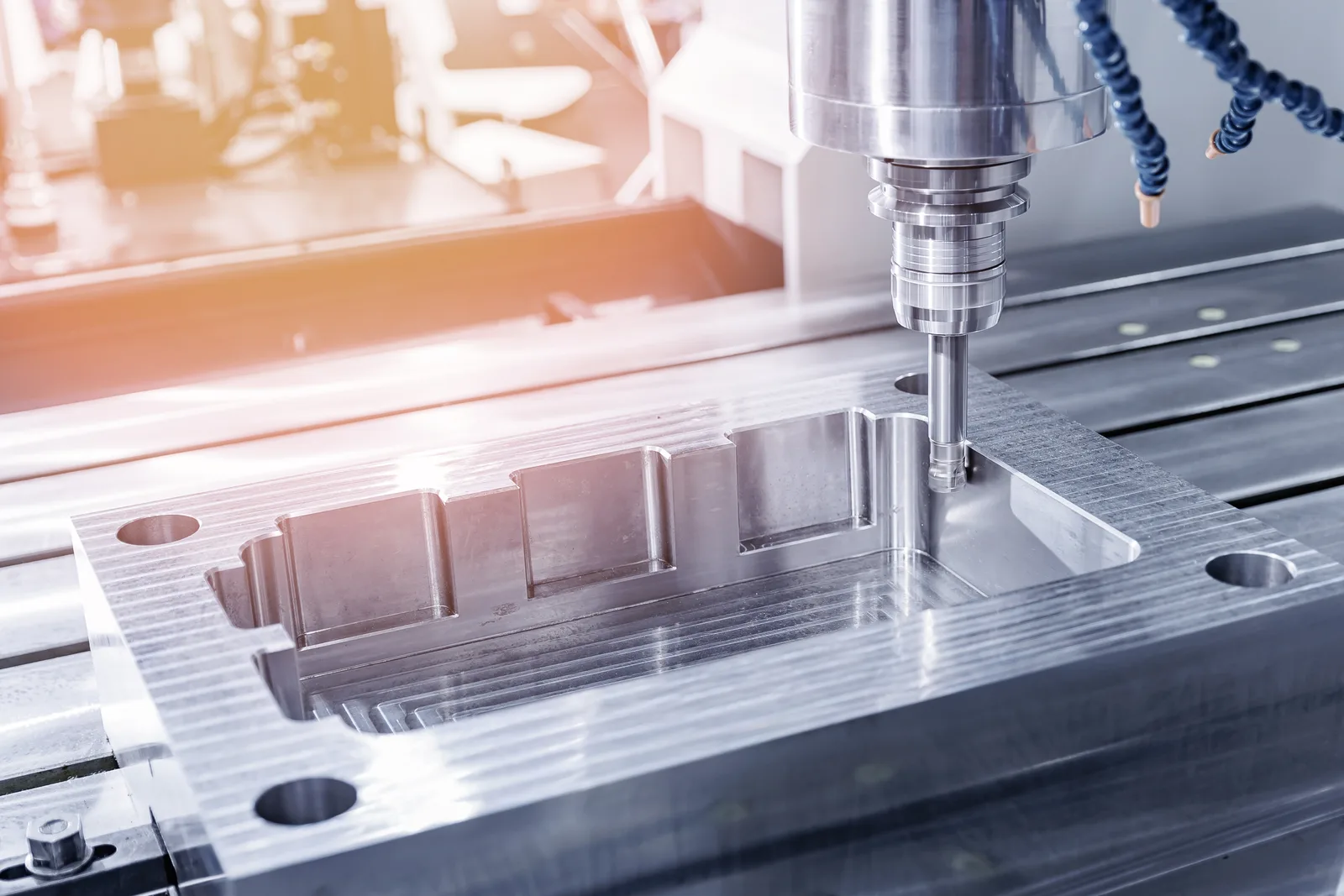

Workers compensation is the coverage that answers for your people when the work hurts them — and in manufacturing, the work carries real physical exposure. Operators run presses and machine tools, handle sharp and heavy stock, weld and cut, and move material across the floor every shift. Machine guarding, lockout procedures, lifting, and repetitive motion shape an injury profile that puts this class among the workers-comp-intensive ones, which is exactly why getting the coverage, the classification, and the safety story right matters more for a shop than it does for a low-hazard business.
It is also, in most states, not optional: once you have employees, workers compensation is generally required by law. This page walks the two sides of the coverage — the benefit that pays an injured employee and the employers-liability side that answers the lawsuit — then covers the cost levers an owner can actually move, and is direct about the four states where the coverage works differently than everywhere else.
The two sides of workers compensation
Workers compensation is really two coverages working together, and understanding both is the difference between assuming you are covered and knowing it.
The first side is the workers compensation benefit itself. When an employee is injured on the job, it pays their medical care for the injury and a portion of their lost wages — the indemnity benefit — while they recover, and where an injury is permanent or fatal, it provides the benefits the law sets for that. The defining feature is that it operates generally regardless of fault: the employee does not have to prove the employer did anything wrong to receive benefits, and in exchange the benefit system is, in most cases, their exclusive remedy. That trade — guaranteed benefits without a fault fight — is the foundation of the whole system.
The second side is employers liability. The no-fault benefit is not the end of every exposure; some injuries lead to a lawsuit against the business that sits outside the benefit system. Employers liability is the part of the policy that responds to that legal action — the suit side of an injury, as opposed to the benefit side. For a manufacturer with serious machine exposure, it is the piece that should never be treated as an afterthought, because a severe injury is exactly the kind that can produce a claim beyond the benefit schedule.
State-fund states: where the coverage works differently
Honesty about geography matters here, because four states do not work like the rest. In North Dakota, comp comes only from Workforce Safety & Insurance, and state law does not allow private insurers to write it. In Ohio and Washington, employers insure with the state fund, BWC or L&I, unless they qualify to self-insure, and neither state allows a private comp policy in its place. In Wyoming, the Worker’s Compensation Act lists manufacturing as extrahazardous employment, so a manufacturer’s comp runs through the state’s Workers’ Compensation Division. We are direct about that — in those four states, your workers compensation does not come through our panel; it comes through the state system. What we do not do is imply we can place private workers comp where the law does not allow it. We will, however, make sure the employers-liability exposure is addressed, because the state fund may handle that side differently or leave it out, and that is a gap worth closing through other coverage so a manufacturer in one of those states is not caught short on the lawsuit side.
The experience mod and classification: the cost levers you can move
Two things drive what workers compensation costs a manufacturer, and both are worth understanding rather than treating as fixed.
The first is the experience modification — the experience mod — a factor that adjusts your cost based on your own claims history against other employers in your classification. A record of fewer and less severe claims works in your favor over time; a run of claims works against you. It is one of the few major insurance costs an owner can genuinely influence, because it responds to real results on the floor. We describe how it works and where the levers are, qualitatively, rather than treat it as a number you are stuck with.
The second is payroll classification. Workers compensation is rated on payroll, and your employees are assigned to classifications that reflect the hazard of the work they actually do — a machine operator and clerical staff do not carry the same exposure. Getting that mapping right keeps the policy rated to the real work rather than to a default, and it is one of the first things we read against the duties on your floor. The point of both levers is the same: workers compensation cost is not simply handed to you. Over time, with the right classification and a real safety story, it is something a shop can move.
Safety and return-to-work: where the levers actually turn
What feeds those cost levers is the day-to-day safety of the operation, and in manufacturing the specifics are concrete. Programs that address machine guarding, lockout, lifting, and the repetitive-motion exposures of your floor reduce both how often injuries happen and how severe they are. Return-to-work programs that bring an injured employee back to suitable, modified duty as they recover tend to shorten claims and lower their cost. Neither is instant, but fewer and less severe claims are exactly what improves the experience over time — which is the mechanism that lowers cost. Underwriters look closely at this, and a shop with a real safety story is a more insurable shop. Federal workplace-safety standards are published by OSHA, and injury context for the sector is tracked by the U.S. Bureau of Labor Statistics.
Why machine shops and manufacturers need it
The case is straightforward: the work carries injury exposure, the law generally requires the coverage once you have employees, and the cost is large enough that how it is structured genuinely matters. A serious machine injury can mean a long recovery and, on the employers-liability side, a lawsuit — and workers compensation is the line built to answer both. For a manufacturer it is not a checkbox; it is core coverage that touches every person on the floor and a cost the right structure can move in your favor.
How it is written follows the operating model. A Machine Shop carries the press, machine-tool, and material-handling exposures of precision work to a customer’s print. A Manufacturing running a production line carries those exposures across more stations and more people. The classification and the safety story should be read to the real floor, and we rate each to it.
Limits and structure
Workers compensation pairs the statutory benefit — set by each state’s law for medical care and lost-wage indemnity — with an employers-liability part that carries its own limits for the lawsuit side. The right structure for your operation is driven by your payroll and how it is classified, your claims history and experience mod, the states you operate in (including whether any are state-fund states), and how the employers-liability side coordinates with the rest of your program — because umbrella liability can sit above employers liability to add limit over the suit side, the way it sits above your other liability lines. Rather than quote a number, we read your payroll, your classifications, and your safety story against the real operation and structure the coverage to it.
Why Machine Guard Insurance
We are an independent agency that writes one class — machine shops and manufacturers — and we place coverage with carriers that actually want the work. That focus is the point. We know to read payroll classification against the real duties on your floor; to treat the experience mod as a lever rather than a fixed cost; to take the safety and return-to-work story seriously because underwriters do; to be direct about the four state-fund states — North Dakota, Ohio, Washington, and Wyoming — and each one’s own rules on who may provide comp, rather than imply we can place it there; and to make sure the employers-liability side is covered and coordinated with an umbrella above it. When an injury happens, the policy and the program behind it should already be built for it. Start with a quote, or talk it through with us first.
Learn more
Coverage for a shop or plant works as a system. Workers compensation pairs most often with general liability for third-party injury and the products exposure, commercial property for the building, contents, and stock, manufacturing machine & equipment for the internal breakdown of the machines, umbrella liability to add limit above employers liability and your other liability lines, product recall for the cost of pulling a defective product back, and manufacturers errors & omissions for a product that underperforms. How it is written also differs by operating model across the three service hubs — Machine Shop Insurance, Manufacturing Insurance, and Metal Fabrication Shop Insurance.
Coverage for machine shops and manufacturers
- General Liability Insurance
- Commercial Property Insurance
- Manufacturing Machine & Equipment Insurance
- Product Recall Insurance
- Manufacturers Errors & Omissions Insurance
- Umbrella Liability Insurance
Insurance by operating model
Get covered
Primary sources
Frequently asked questions about Workers Compensation Insurance
What does workers compensation cover for a machine shop or manufacturer?
Workers compensation has two sides. The benefit side pays an injured employee’s medical care and a portion of lost wages, the indemnity benefit, generally regardless of fault. Employers liability responds to the lawsuit side, where an injury leads to legal action against the business outside the no-fault system. For a manufacturer, where machine guarding, presses, welding, cutting, lifting, and material handling shape the injury profile, both matter, and state law usually requires the policy once you have employees.
Why is workers comp so important for manufacturing specifically?
Manufacturing is a workers-comp-intensive class because the work carries real physical exposure. Operators run presses and machine tools, handle sharp and heavy stock, weld and cut, and move material across the floor. Machine guarding, lockout, lifting, and repetitive motion all feed the injury profile, and a serious injury can mean a long recovery. That is why underwriters look closely at a shop’s safety program, and why getting the classification right matters.
What is an experience modification factor and can I control it?
The experience modification, or experience mod, is a factor that adjusts your workers compensation cost based on your claims history compared with other employers in your classification. Fewer and less severe claims pull it in your favor over time; a run of claims pushes it the other way. It is one of the few major insurance costs an owner can genuinely influence, through safety programs, training, and getting injured employees back to suitable work.
How does payroll classification affect my workers comp cost?
Workers compensation is rated on payroll, and your employees are assigned to classifications that reflect the kind of work they do; a machine operator’s hazard differs from that of clerical staff. Misclassified payroll can mean paying for exposure you do not have or leaving a gap. We work through how your payroll is classified against the real duties on your floor so the policy is rated to the work being done.
Do safety and return-to-work programs actually lower workers comp costs?
Over time, yes. Safety programs that address machine guarding, lockout, lifting, and the specific hazards of your floor reduce how often injuries happen and how severe they are. Return-to-work programs that bring an injured employee back to suitable, modified duty tend to shorten claims and lower their cost. Fewer and less severe claims feed into a better experience over time. None of it is instant, but it is real and it compounds.
Can you write workers comp in every state?
In most states, yes, through our specialty carrier panel. Four states work differently: North Dakota does not allow private insurers to write comp; Ohio and Washington require employers to insure with the state fund, BWC or L&I, unless they qualify to self-insure, and neither allows a private comp policy in its place; and Wyoming’s statute routes manufacturing comp through its state Workers’ Compensation Division. There, the coverage comes through the state system, and we address the employers-liability side.
Cover your crew, and move the cost in your favor
Tell us about your floor, your payroll, and the states you run in, and we will market workers compensation to carriers that write the class — with classification read to the real work and the safety story put to use.