States we serve · New York
Machine Shop and Manufacturing Insurance in New York
For New York machinery builders, optics and photonics makers, semiconductor and electronics suppliers, biotech producers, and craft beverage and food plants, statewide.
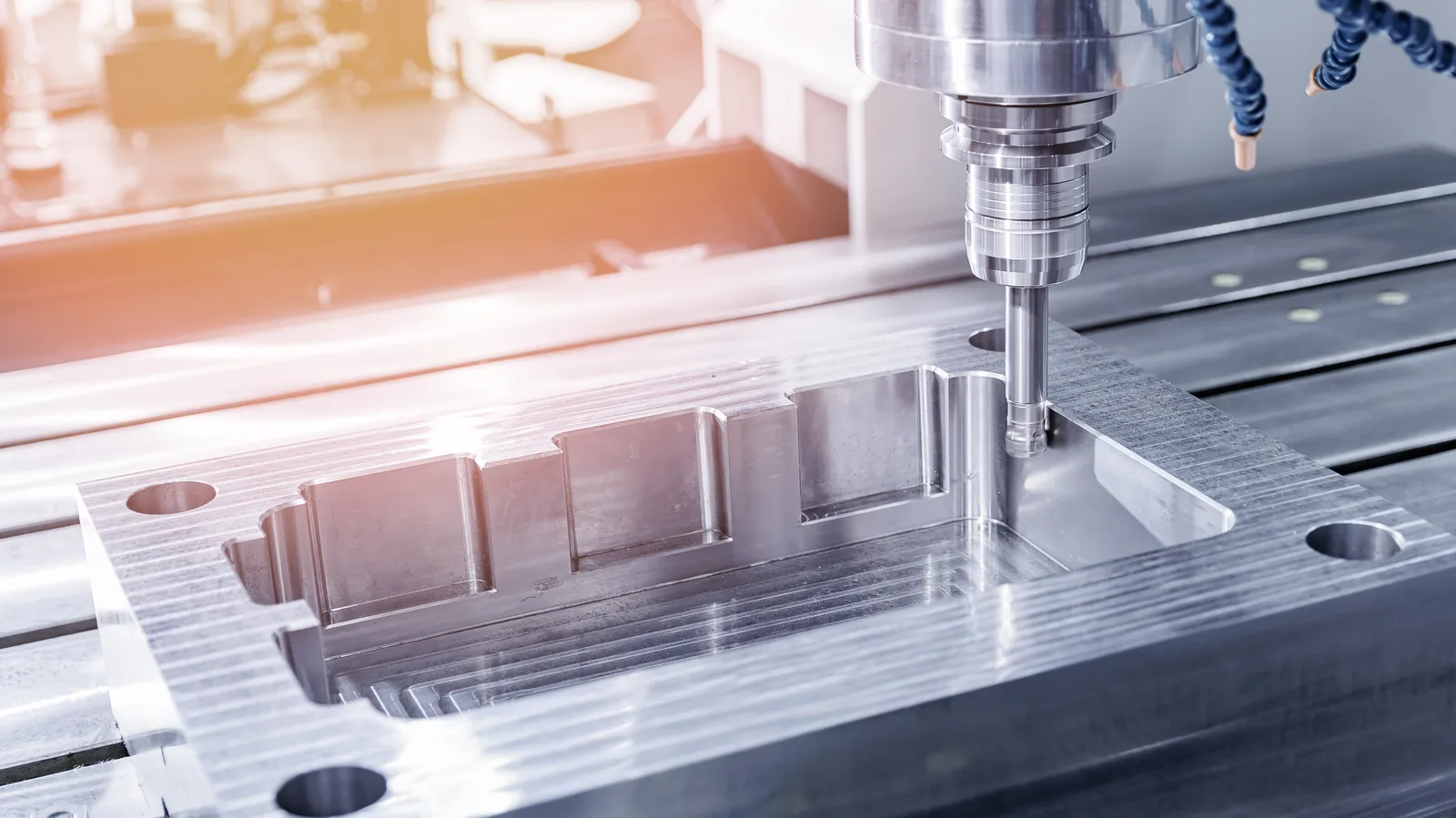

New York is a large and varied place to make things, and our clients reflect that: builders of industrial machinery and systems, materials processors, optics, photonics, and imaging manufacturers, semiconductor and electronics companies, biotech and life-science producers, craft breweries, distilleries, and wineries, agribusiness processors, and the contract machine shops and fabricators that supply all of them. We write each program around the specific floor and the specific customers, because a lens maker and a beverage plant share almost nothing on an insurance application.
A few New York rules apply to all of them. The state’s OSHA-approved plan covers public employees only, so federal OSHA inspects private plants. Personal injury actions generally carry a three-year limitation period under CPLR § 214(5). And the Department of Environmental Conservation runs the air pollution control permit program. The sections below cover each rule and the part of a program it touches.
What sets the premium for a New York manufacturer
Carriers pricing a New York account work from payroll by class, the replacement value of machinery and tooling, building and inventory values, the end use of your products, and a claims history. End use weighs most heavily on liability. An optical component in a medical imaging system, a semiconductor tool part, a food ingredient, and a machinery guard each carry a different kind of products exposure, and the price follows.
New York conditions add to that. Customers in semiconductor, life-science, and defense-related supply chains set detailed insurance requirements in their contracts. Food and beverage producers face federal food safety rules that make recall exposure real even for small operations. Machinery builders design as well as build, which adds errors and omissions exposure when a system does not perform as promised. And a federal OSHA inspection record is read on both the comp and liability sides. We quote from what your operation actually does rather than from a table. For the price drivers common to every state, our guide to how machine shop and manufacturing insurance is priced covers them.
Size and location within the state also shape how a New York program comes together. A plant with several buildings, or a company with sites in more than one region, needs property limits and business income coverage that reflect how the sites depend on each other. If one building makes the components that another assembles, a fire at the first can stop both. We map those dependencies before we set limits, so the program reflects the way work actually moves through your company. The same logic applies to outside dependencies: a single specialty coating vendor, heat treater, or packaging supplier can be the bottleneck for an entire product line, and contingent business income can be written to cover a shutdown at a named supplier. We ask which outside firms you could not replace quickly, and we check whether the program should name them.
Eight industry clusters named by Empire State Development
Empire State Development lists industrial machinery and systems, materials processing, optics, photonics and imaging, semiconductors, tech and electronics, biotech and life sciences, craft beverage, and agribusiness among New York’s industries. Each asks something different of an insurance program.
Machinery and systems builders carry design responsibility. When a custom machine or line fails to hit its promised output, the claim is a financial loss rather than an injury, and manufacturers errors and omissions is the coverage built for it. Materials processors, and semiconductor and electronics makers, concentrate value in process equipment, furnaces, and controlled environments, which makes equipment breakdown and business income central. Optics and photonics shops combine precision machining with delicate, high-value stock, so property valuation and transit coverage for finished goods deserve attention.
Biotech and life-science producers, including those that make devices, answer to the U.S. Food and Drug Administration. Device establishments must register and list under 21 CFR 807.20, and 21 CFR Part 820 governs the quality system for finished devices. Craft beverage and agribusiness processors fall under the FDA’s food rules: facilities that manufacture or process food register under 21 CFR Part 1, Subpart H, and 21 CFR Part 117 sets the preventive-controls rule for human food. For both groups, product recall coverage belongs near the top of the program, because general liability does not pay to retrieve and replace product.
PESH covers public workers; private plants answer to OSHA
New York’s OSHA-approved plan is limited to the public sector. Federal OSHA’s New York State Plan page explains that the New York Public Employee Safety and Health (PESH) Bureau covers state and local government workers, and that federal OSHA exercises authority over private sector employers, with federal standards applying to their workers. A private New York machine shop, fabricator, or plant is therefore inspected by federal OSHA.
That puts the federal machinery standards at the center of a New York floor. 29 CFR 1910.212 sets the requirements for machine guarding, and 29 CFR 1910.147 sets the rules for controlling hazardous energy during maintenance. In a food or beverage plant the same rules reach conveyors, fillers, mixers, and bottling lines as well as machine tools. Carriers ask about both standards because failures there cause the most serious injuries. We gather your written programs and inspection history before we go to market.
Private-market comp for New York plants
New York workers compensation is written by private carriers in a competitive market, so classification and loss history drive the price. Machinists, optical technicians, electronics assemblers, brewery and food production workers, maintenance staff, and office employees each belong in different classes. Payroll misplaced among them is corrected at audit, often with a sizable additional premium when a higher-rated class was understated.
Employers liability, the second part of the comp policy, responds when an injury becomes a lawsuit, and we coordinate it with the general liability program. The workers compensation page explains the mechanics, and our article on lowering manufacturing comp costs lists the controls underwriters credit. New York companies with employees working in New Jersey, Pennsylvania, or Connecticut should report that payroll by state so each is handled properly.
CPLR § 214(5): three years for a personal injury action
The New York limitation period for personal injury claims appears in CPLR § 214(5), which requires an action to recover damages for a personal injury to be commenced within three years, subject to exceptions set out in other sections of the CPLR. For most product injury claims, that three-year window is the one that applies.
For a manufacturer, the period runs from the injury rather than the sale, so a component can be in service for years before any claim is possible. Products-completed operations coverage should therefore stay continuous for as long as your products are in use, and the trigger of the policy deserves a deliberate choice. An occurrence policy answers for injury that happened while it was in force, whenever the claim is brought. A claims-made policy answers for claims first made during its term, back to its retroactive date, so a change of carrier, a sale of the business, or the end of a product line needs continuity or an extended reporting period.
We cover the trade-offs in our comparison of occurrence and claims-made forms, and product recall versus product liability explains why food, beverage, and life-science producers usually need both coverages rather than one.
NYSDEC air permits and pollution cover
Air permits for New York manufacturers come from the Department of Environmental Conservation (NYSDEC) through its Air Pollution Control Permit Program. NYSDEC notes that Air State Facility permits may be required by medium-sized commercial or industrial facilities, and larger sources face their own requirements. Coating and finishing lines, degreasers, furnaces, boilers, and some brewing and distilling processes are common reasons for a New York plant to check where it stands. The question belongs early in any equipment project.
The permit and the insurance are separate matters. General liability and property forms exclude most pollution, so a solvent spill, a release to a drain, or an emissions event from your own process generally needs a dedicated pollution or environmental policy. We can place one alongside the rest of the program. Underwriters for manufacturing insurance accounts with finishing, chemical, or process equipment ask about NYSDEC permits, and a documented answer keeps the review efficient.
The chart pairs the New York rules on this page with the program decisions they drive.
Most New York programs are rounded out with commercial property for buildings, machinery, and stock across every site; general liability for premises and products claims together; and an umbrella to meet the higher limits that semiconductor, life-science, and defense-related customers commonly require.
New York crossings, ports, and airports
We write New York shops and plants across the state. Each of these six locations has a named feature that changes the program.
Buffalo
The Peace Bridge is part of CBP’s Buffalo port of entry. Manufacturers that ship across it rely on that crossing, so contingent business income for a supplier or customer on the other side deserves as much attention as cargo limits.
Rochester
CBP runs a Rochester port of entry on the east side of the airfield. Optics and imaging makers that fly finished components out should schedule them on transit coverage with a per-shipment limit matched to declared value.
Syracuse
CBP’s Syracuse port of entry also lists facilities at Oswego. Plants near Syracuse importing equipment or materials through either location need property terms that cover goods before they are installed or used.
Albany
CBP lists the Albany Seaport and Albany International Airport as facilities of its Albany port. Albany-area manufacturers moving heavy goods by water should confirm who bears the risk of loss at the dock.
New York City
John F. Kennedy International Airport is a CBP port of entry. City manufacturers and importers that route high-value goods through JFK need inland marine limits that follow each shipment rather than property coverage that stops at the door.
Ogdensburg
The Ogdensburg Bridge Plaza is a CBP crossing. Plants near Ogdensburg that rely on parts or customers reached through it should look at contingent income cover, since a closure can halt work without any damage in New York.
New York is one of the 48 states in which we are licensed. Businesses with sites in neighboring states can also see our pages for New Jersey, Pennsylvania, Connecticut, Massachusetts, and Vermont, or open the list of states.
Choosing among our three service pages
How a New York business divides its work decides which part of the program matters most. For contract work, where your shop machines or finishes parts to someone else’s drawing, our page on machine shop insurance covers equipment values, contract terms, and the comp exposures of a production floor. For branded work, where you design and sell machinery, optics, electronics, or food and beverage products under your own name, our page on manufacturing insurance covers products liability, recall, and errors and omissions in depth. Fabrication and welding work, including steel your crews install on site, is covered on our page on metal fabrication and welding shop insurance. Plenty of New York firms do more than one of these, and we write them under one program.
Common questions from New York manufacturers
Does PESH inspect my private New York plant?
No. The New York Public Employee Safety and Health Bureau covers state and local government workers. Private employers are a federal OSHA matter in New York, with federal standards governing their workplaces. So a private machine shop, fabricator, or plant is therefore inspected by federal OSHA, and its guarding and lockout programs are what carriers ask to see.
How long is the limitation period for a personal injury claim in New York?
CPLR § 214(5) sets a period of three years for an action to recover damages for a personal injury, subject to exceptions found in other sections. The period generally runs from the injury, not the sale, so a manufacturer should keep products-completed operations coverage continuous for as long as its products are in service.
Does a New York craft brewery need recall coverage?
It should consider it seriously. The FDA requires food facilities to register under 21 CFR Part 1, Subpart H, and its Part 117 preventive-controls rule applies to human food. A contamination or labeling problem can force product off shelves with no injury at all. General liability will not pay to retrieve it; product recall coverage will.
Which agency issues air permits to New York plants?
The Department of Environmental Conservation, through its Air Pollution Control Permit Program. NYSDEC notes that Air State Facility permits may be required by medium-sized commercial or industrial facilities. Coating, degreasing, and furnace operations are common reasons to check. Because general liability and property forms exclude most pollution, releases need a separate pollution or environmental policy.
Why would a New York machinery builder buy errors and omissions coverage?
Because a custom machine or line that works safely but misses its promised output causes a financial loss, not an injury, and general liability does not respond to that. Manufacturers errors and omissions does. Buyers of engineered systems increasingly ask for it in their contracts, and we set its limit with the size of your typical project in mind.
Do private carriers write New York workers compensation?
Yes. New York runs a competitive comp market, so your price depends on classification and loss history. We check that machinists, optical technicians, electronics assemblers, food and beverage workers, and office staff are each classed correctly, and we keep employers liability in place so an injury that becomes a lawsuit is still covered.
Start a New York manufacturing insurance quote today
Tell us what your New York operation builds, processes, or brews, and who buys it, and we will bring it to carriers that write your class.