States we serve · Vermont
Machine Shop and Manufacturing Insurance in Vermont
Coverage for Vermont electronics and semiconductor suppliers, precision shops, breweries, food makers, and wood products operations, written to VOSHA and DEC air rules.
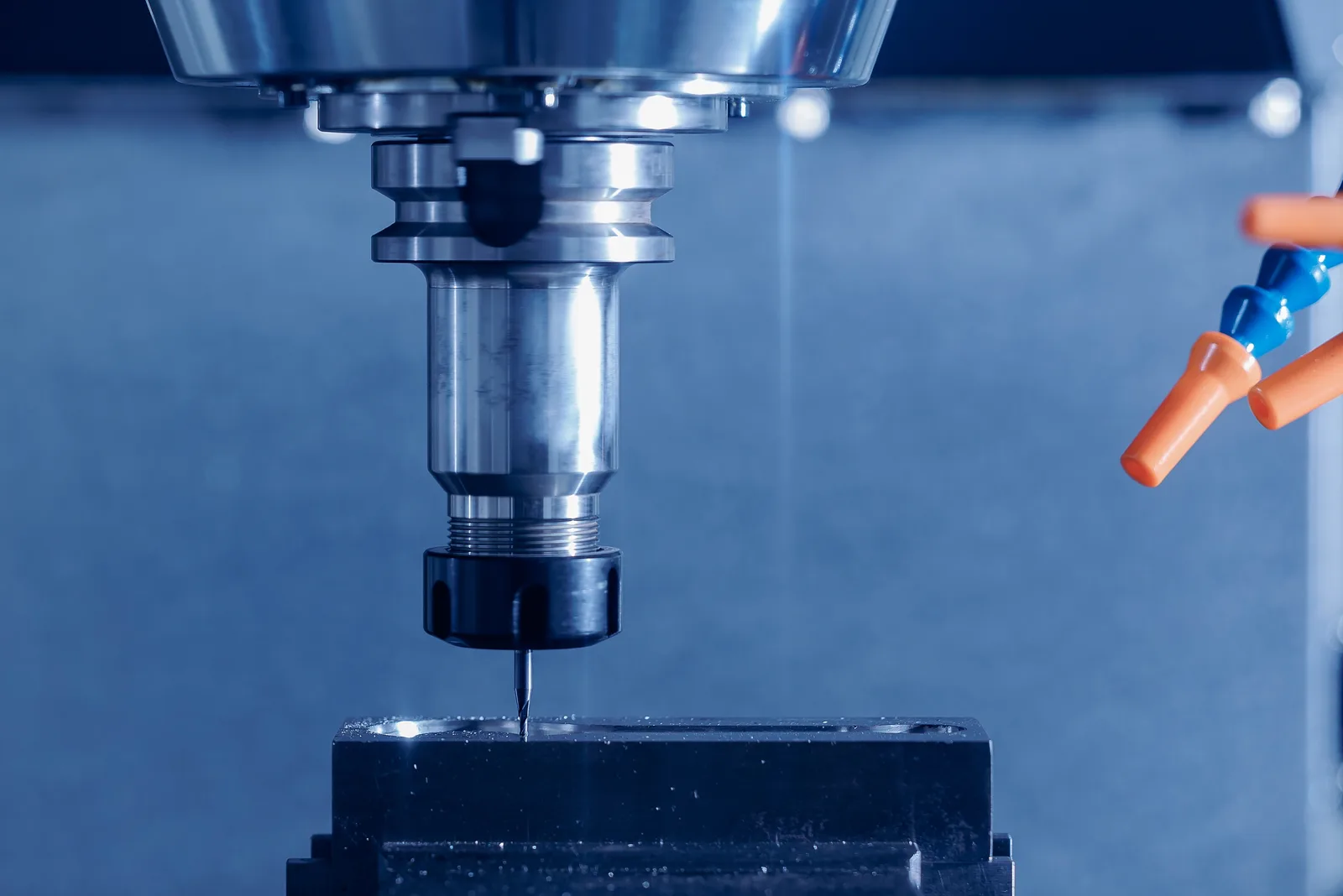

For Vermont, our clients are the state’s machine shops, fabricators, and manufacturers: makers of semiconductors and electronic components and the precision shops that supply them, breweries and other food and beverage producers, loggers and wood-products operations, and contract machinists serving customers in and beyond New England. The state’s manufacturers are often small and specialized, and a single program has to fit an operation that may run a clean room on one side of the building and a saw line on the other.
Three Vermont rules frame those programs. The Vermont Occupational Safety and Health Administration (VOSHA) runs an OSHA-approved plan that covers private workplaces, so VOSHA, not federal OSHA, is the inspector a private shop deals with. Actions for injuries to the person carry a three-year limitation period that runs from discovery of the injury. And the Department of Environmental Conservation issues Permits to Construct for air sources. We cover each below, with the insurance decisions that follow from it.
Vermont pricing starts with your floor
The starting point for a Vermont quote is a clear picture of the operation. Underwriters want payroll by type of work, the value of your machines, tooling, and building, the stock you carry, where your products end up, and a history of claims. End use is the heaviest single factor on the liability side. A component that goes into a semiconductor tool or a medical instrument is underwritten very differently from a wooden furniture part, because the consequences of a defect are so different.
Vermont conditions then shape the result. Electronics and semiconductor suppliers carry high-value equipment and customers with strict quality and insurance expectations. Breweries and food producers face contamination and recall questions that metalworking shops rarely see. Logging and wood operations bring some of the most demanding injury exposures in any class. And your VOSHA inspection record, favorable or not, is part of the file. Because Vermont manufacturers are often small, a single large loss can move pricing more than it would for a bigger company, which makes loss control a practical pricing tool. We quote from your operation, not a rate schedule. For the pricing factors every state shares, see what shapes machine shop and manufacturing insurance premiums.
Semiconductors to ice cream: Vermont’s concentrated industries
The state’s Comprehensive Economic Development Strategy identifies semiconductor and other electronic component manufacturing as the largest manufacturing-related industry in Vermont, and it lists breweries, logging, ice cream and frozen dessert manufacturing, and coffee and tea manufacturing among the state’s most concentrated industries. That is an unusual mix, and it asks a lot of an insurance program built for one Vermont company that may sell into several of those worlds.
Electronics and component makers concentrate value in process equipment, controlled environments, and work in progress. An equipment failure or a contamination event can scrap a batch and stop output, so equipment breakdown and the business income that follows it often matter more than the building itself. Customers in that supply chain also expect proof of products liability and sometimes errors and omissions coverage, because a component that meets its specification can still fail the purpose a customer bought it for. Manufacturers errors and omissions covers that kind of financial loss.
Breweries, ice cream makers, and coffee and tea producers carry a different profile. A bad batch, a labeling mistake, or contamination can mean pulling product from stores and distributors, even when no one has been hurt, and general liability does not pay to do that. Product recall coverage does, and spoilage coverage for refrigerated stock is worth reviewing alongside it. Logging and wood-products operations sit at the other end of the range: saws, chippers, skidders, and heavy handling equipment produce serious injuries, and workers compensation dominates their programs. A Vermont contract machinist may supply all three kinds of customer, which is why we ask about your buyers before anything else.
VOSHA covers Vermont’s private workplaces
Vermont operates its own OSHA-approved plan that applies to private employers. Federal OSHA’s Vermont State Plan page explains the arrangement, and the Vermont Occupational Safety and Health Administration (VOSHA), part of the Vermont Department of Labor with its main office in Montpelier, is the agency that inspects private-sector workplaces in the state. For a Vermont machine shop or plant, VOSHA is the inspector at the door.
State plans must be at least as effective as federal OSHA, so the federal machinery standards still set the baseline: guarding under 29 CFR 1910.212 and hazardous-energy control under 29 CFR 1910.147. On a Vermont floor those standards cover everything from CNC machines and press brakes to bottling lines, mixers, and sawmill equipment. Carriers ask about guarding and lockout because failures there account for the most serious injuries. We gather your written programs and any VOSHA inspection history before we go to market, so the underwriter sees the controls you have.
Buying workers compensation in Vermont
Vermont employers buy workers compensation from private carriers in a competitive market, and the result for any one company depends on classification and loss history. A machinist, an electronics assembler, a brewery production worker, a logger, and an office employee are each rated differently, and some of those classes carry much higher rates than others. Payroll assigned to the wrong class is corrected at audit, and the correction can be large when a high-rated class has been understated.
We confirm that employers liability is part of the policy and coordinated with general liability, so an injury that becomes a lawsuit still has coverage behind it. The workers compensation page covers the mechanics of classification and audit, and our guide to reducing manufacturing comp costs lists the practices underwriters reward. Vermont companies with staff working in New Hampshire or New York should report that payroll by state so each state is handled correctly.
Seasonal and part-time labor is a particular Vermont pattern worth checking. Food and beverage producers often add people during busy periods, and wood operations may run crews on a seasonal basis. Temporary workers supplied by a staffing firm may or may not be covered by that firm’s policy, depending on the agreement, and seasonal employees on your own payroll need to be classified correctly from the first day. We review those arrangements at the start of a season rather than at the audit.
A three-year clock that starts at discovery
Vermont’s limitation period for injury claims appears in 12 V.S.A. § 512(4), which requires actions for injuries to the person suffered by the act or default of another to be brought within three years. The statute adds that the cause of action is deemed to accrue as of the date the injury is discovered, so the three years begin when the injury is found, not necessarily when the product was made or sold.
That discovery rule has a practical effect for a manufacturer. An injury that develops slowly, or a defect that causes harm only after long use, may not start the clock until it comes to light. Products-completed operations coverage should therefore stay continuous, without gaps between carriers, and it is worth choosing the trigger with care. An occurrence policy responds to injury that happened while it was in force, no matter when the claim is brought. A claims-made policy responds to claims first made while it is in force, subject to a retroactive date, which makes a change of carrier or ownership a moment to arrange continuity or an extended reporting period. Our comparison of occurrence and claims-made forms for manufacturers lays out the choice.
Contract terms matter as much as statutes here. Vermont suppliers to larger electronics and food companies often sign agreements that require them to indemnify the customer and to name it as an additional insured. The endorsement on your policy, not the certificate, decides what the customer actually receives, so we match policy wording to the contract. Our note on additional-insured status for manufacturers explains how that works.
DEC Permits to Construct and pollution cover
Air permits for Vermont manufacturers come from the Department of Environmental Conservation (DEC), whose Air Quality and Climate Division includes a Permitting and Engineering Section that issues Permits to Construct. Coating and finishing lines, solvent cleaning, boilers and wood-fired equipment, and some food and beverage processes are the places a Vermont operation most often needs to check whether a permit applies. The best time to ask is while equipment is being specified.
Pollution exposure and permits are related but separate. General liability and property forms exclude most pollution, so a solvent release, a spill to a drain or stream, or an emissions event from your own process usually requires a dedicated pollution or environmental policy. We can place one next to the rest of the program. An underwriter reviewing a manufacturing insurance account with finishing, boiler, or processing equipment will ask about DEC permits, and a documented answer keeps the review short.
The chart summarizes how the three Vermont rules on this page, plus the concentrated industries behind them, show up in a program.
Most Vermont programs also carry commercial property for the building, machines, and stock, including refrigerated inventory for food producers, and an umbrella for limits above the primary policies. For a small manufacturer, the umbrella is often the least expensive way to meet a large customer’s contract minimum.
Vermont locations with a program effect
We work with shops and plants throughout Vermont. Each of these four locations has a named feature that changes something in the program.
Montpelier
VOSHA’s main office is in Montpelier. As the agency that inspects private Vermont workplaces, its records on a Montpelier-area shop or plant are part of what a comp or liability underwriter will ask to see.
South Burlington
U.S. Customs and Border Protection runs the Burlington International Airport port in South Burlington. Electronics suppliers that ship small, high-value components by air should schedule them on transit coverage matched to declared values.
St. Albans
St. Albans has a CBP port of entry. Manufacturers moving goods or equipment through it need cargo terms that make clear who bears the risk of loss at each stage, and contingent income cover for a supplier or customer on the other side.
Derby Line
CBP operates a port of entry at Derby Line. A shop that relies on parts or customers reached through that crossing should look at contingent business income, since a delay there can stop production without any physical damage in Vermont.
Vermont is one of the 48 states we are licensed to write in. Operations with sites nearby can also read our pages for New Hampshire, Massachusetts, and New York, or see our full state list.
Contract machining or your own products
Vermont businesses often mix contract work with their own products. A shop that machines or assembles to a customer’s drawing should start with our page on machine shop insurance, which covers the equipment-heavy side of contract work. Fabricators and welders have their own page, metal fabrication and welding shop insurance. A company that designs and sells components, food and beverages, or wood products under its own name should read our page on manufacturing insurance, where products liability, recall, and errors and omissions take a larger role. When one Vermont company does both, we write a single program that rates each side correctly.
Vermont manufacturing insurance questions we hear
Does VOSHA or federal OSHA inspect my Vermont shop?
VOSHA. Vermont runs its own OSHA-approved plan that applies to private workplaces, administered by the Vermont Occupational Safety and Health Administration within the Department of Labor, with its main office in Montpelier. State plans must be at least as effective as federal OSHA, so machine guarding and lockout standards still set the baseline your carrier will ask about.
When does the limitation period start for a Vermont injury claim?
Under 12 V.S.A. § 512(4), actions for injuries to the person must be brought within three years, and the cause of action is deemed to accrue on the date the injury is discovered. Because the clock can start long after a product ships, manufacturers should keep products-completed operations coverage continuous and avoid gaps when changing carriers.
Does a Vermont brewery need product recall coverage?
It is worth serious consideration. Contamination, a labeling error, or a quality problem can force a brewery to pull product from distributors and stores even when no one is hurt. General liability pays for injury or damage a product causes, not for retrieving and replacing it. Product recall coverage pays those costs, and some distributors expect their suppliers to carry it.
Do we need a DEC permit to add a finishing line in Vermont?
You may. The Department of Environmental Conservation’s Air Quality and Climate Division issues Permits to Construct for air sources, and finishing lines, solvent cleaning, and boilers are common reasons to check. Ask before the equipment is ordered. Remember that general liability and property exclude most pollution, so a release from that line needs a separate pollution policy.
How is workers compensation bought for a Vermont manufacturer?
From private insurance carriers, because Vermont runs a competitive comp market. Classification and loss history drive the price. We check that machinists, assemblers, brewery and food workers, loggers, and office staff are each in the right class, confirm seasonal and temporary workers are handled correctly, and pair comp with employers liability for injuries that become lawsuits.
Why does an electronics supplier need errors and omissions coverage?
Because a component can meet its specification and still fail the purpose the customer bought it for, which is a financial loss rather than an injury. General liability does not respond to that kind of claim. Manufacturers errors and omissions does, and customers in semiconductor and electronics supply chains often ask their suppliers to show it on a certificate.
Sources
- OSHA — Vermont State Plan
- Vermont Occupational Safety and Health Administration (VOSHA)
- Vermont Statutes — 12 V.S.A. § 512
- Vermont DEC — Air quality permits
- Vermont Comprehensive Economic Development Strategy — Appendix B
- U.S. Customs and Border Protection — Burlington International Airport
- U.S. Customs and Border Protection — Derby Line
Build a Vermont shop or plant quote with us
Tell us whether your Vermont business machines parts, builds components, brews, or processes wood or food, and who it sells to, and we will bring it to carriers that write that class.