States we serve · Connecticut
Machine Shop and Manufacturing Insurance in Connecticut
For Connecticut precision shops, aerospace suppliers, automation builders, and yards that repair ships, with programs written to federal OSHA, DEEP permits, and § 52-577a.
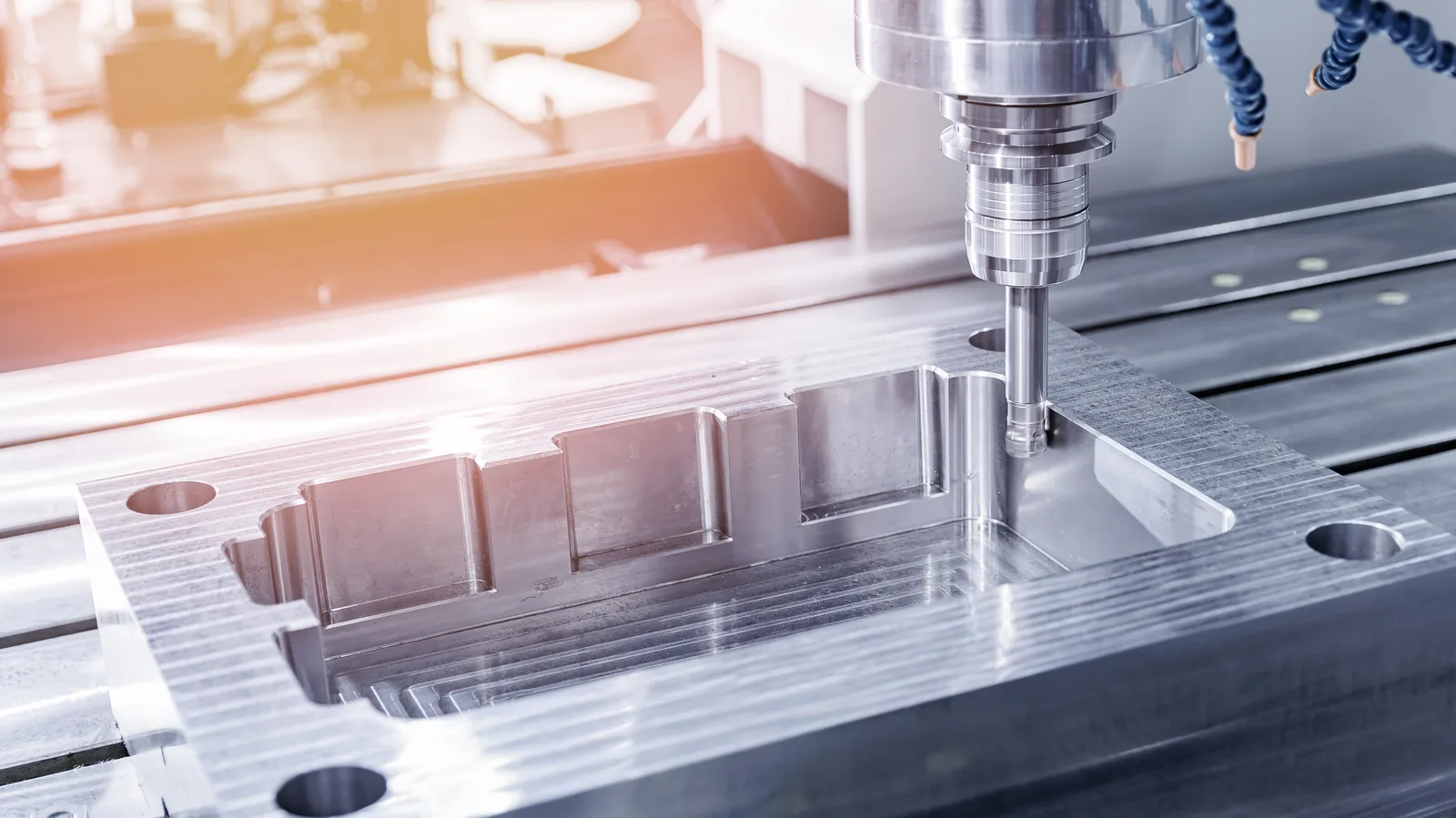

We insure Connecticut machine shops and manufacturers: contract shops that turn and mill parts to a customer’s drawing, precision suppliers feeding aerospace and defense programs, builders of robotic and automated equipment, additive manufacturers, and the yards that build and repair vessels. Each program is shaped around the operation’s floor and what leaves its dock, because a Connecticut shop that ships flight hardware and one that ships conveyor frames carry very different liability even when their machine lists look alike.
Three Connecticut rules do most of the work in setting a program. Private-sector plants are inspected by federal OSHA rather than a state agency. A product claim runs under the Connecticut product liability act, which sets both a limitation period and a repose period in Conn. Gen. Stat. § 52-577a. And air permits come from the Department of Energy and Environmental Protection. The sections below walk through each one and the coverage it touches.
What moves the price of a Connecticut program
An underwriter pricing a Connecticut account looks first at the work itself. Payroll split by job class, the end use of what you make, the value of machines and tooling, the building and stock, and several years of loss history form the base. The end use matters most for liability: a bracket that goes into an aircraft or a submarine program is priced very differently from one that goes into a shelving unit, because the consequence of a failure is different.
Several Connecticut features then push the number up or down. Aerospace and defense customers usually write insurance terms into their purchase orders, including additional-insured wording, products-completed operations limits, and umbrella limits, so the customer often decides the minimum program before any price is discussed. The product liability act’s ten-year repose period, and the exceptions attached to it, shape how long an old product line can still produce a claim. A federal OSHA inspection record, clean or not, is read on both the workers compensation and general liability sides. We quote from your actual operation rather than from a class average, and nothing on this page is a published rate. Our article on the cost factors behind machine shop and manufacturing premiums explains the pieces that apply in every state.
Aerospace, automation, additive work and shipyards
AdvanceCT, the state’s economic development partner, names aerospace and defense, robotics and automation, additive manufacturing, and shipbuilding and repairing among Connecticut’s key advanced-manufacturing industries. Those four sectors ask different things of an insurance program, and many Connecticut shops sell into more than one of them.
Aerospace and defense suppliers work under contracts that flow insurance duties down from the prime. A shop machining turbine or airframe components should expect aircraft products exposure to be treated separately by some carriers, and should read its general liability for any aircraft products exclusion before it quotes a new part number. Robotics and automation builders design as well as fabricate, which moves a share of their exposure from bodily injury toward financial loss: a cell that runs as drawn but misses its promised cycle time is a professional or errors and omissions problem rather than a general liability one. Manufacturers errors and omissions exists for that gap.
Additive manufacturers often hold tight tolerances on small, high-value parts and rely on printers, powders, and post-processing ovens whose breakdown can stop output for weeks. Equipment breakdown coverage and the business income tied to it tend to matter more to them than the building. Shipbuilding and repair adds waterside work, which brings questions about who owns the vessel being worked on and whether damage to it sits inside or outside a standard liability form. A contract shop that feeds any of these sectors picks up its customer’s requirements, so we ask what your parts become before we ask about square footage.
Federal OSHA inspects Connecticut’s private plants
Connecticut’s state plan is narrower than many owners expect. Federal OSHA’s Connecticut State Plan page describes a plan that covers state and local government workers only. The Connecticut Occupational Safety and Health Division (CONN-OSHA) runs that public-employee plan, while private employers, which includes every privately owned machine shop and plant, fall under federal OSHA and its area offices.
For a private manufacturer that means the federal standards are the ones an inspector cites. Two carry most of the weight on a machine floor: machine guarding under 29 CFR 1910.212, and the control of hazardous energy under 29 CFR 1910.147, the lockout and tagout rule. Point-of-operation guards on lathes, presses, and grinders, and a written energy-control procedure for setup and maintenance, are where serious injuries on a precision floor usually begin. Carriers ask about both on the application. We gather the answers early and send your written programs with the submission, so an underwriter sees a safety system instead of a blank.
Buying comp for a Connecticut floor
Connecticut is a competitive workers compensation state: comp is bought from private carriers, and the price for a given payroll can vary widely from one shop to the next. The class codes assigned to your people are the largest lever. A CNC machinist, a welder in a fabrication bay, an assembler on a light line, and an office worker each belong in different classes, and a misplaced class shows up as a surprise at the premium audit. Your loss history then adjusts the result, which is why a few years of clean experience can matter as much as the class itself.
We pair workers compensation with employers liability so an injury that turns into a lawsuit, for instance a claim brought against the shop by a third party that was sued first, still has a policy to answer it. The workers compensation page covers classification and audits in more depth, and our note on reducing workers comp costs for manufacturers lists the controls underwriters credit most. Connecticut operations with a second plant across the line in Massachusetts or New York should expect each state’s comp to be scheduled separately.
Connecticut’s product liability act and its two time limits
Connecticut handles product claims through a single statutory action. Under Conn. Gen. Stat. § 52-572n(a), a product liability claim “shall be in lieu of all other claims against product sellers, including actions of negligence, strict liability and warranty.” In practice a claimant does not stack separate negligence, warranty, and strict liability suits against a manufacturer; they plead one statutory claim that carries all of those theories inside it.
The act also sets its own clock. Conn. Gen. Stat. § 52-577a(a) provides a limitation period of three years, and the same subsection sets a repose period of ten years, subject to the exceptions in § 52-577a(c) through (e). Those exceptions matter, because they mean the ten-year figure is not a simple expiry date for every product a shop has ever shipped. We read the repose period as a reason to keep products coverage continuous, not as a date after which old work stops mattering.
Two practical points follow for a Connecticut manufacturer. The first is that exposure travels with the part: a fitting you machine this year can be assembled into another company’s system, sold on, and fail long after it left your dock. The second is that the trigger on your general liability decides which policy answers. An occurrence form responds under the policy in force when the injury happened, which protects a shop that later changes carriers or closes a product line. A claims-made form responds to claims first made while it is in force, back to its retroactive date, so a change of carrier or a sale of the business needs either continuity or an extended reporting period. Our article comparing occurrence and claims-made forms for manufacturers walks through that choice, and the products-completed operations aggregate explains the separate limit that pays these claims.
DEEP air permits and pollution cover
Air permitting for Connecticut plants runs through the Connecticut Department of Energy & Environmental Protection (DEEP), whose air program administers New Source Review permits. Coating lines, vapor degreasers, heat-treating and plating operations, and new emission units are the usual places a machine shop or plant has to ask whether a permit applies. The time to ask is before the equipment arrives, not after it is plumbed in.
The insurance point is separate from the permit itself. Standard general liability and property forms carry broad pollution exclusions, so a solvent spill that reaches soil, a release from a plating tank, or an emission event from your own process usually lands outside them. A dedicated pollution or environmental policy responds to that exposure, and we can place one next to the rest of the program. When a manufacturing insurance submission includes finishing work, an underwriter will ask about permits directly, and a clear answer on your DEEP status keeps the file moving.
The figure below sets the four Connecticut rules on this page against the part of a program each one moves.
Those four do not cover everything. The building, machinery, and inventory belong on commercial property, and a recall of product already sold belongs on product recall cover, which pays to locate and replace goods rather than to defend injury claims. Limits above the primary policies sit on an umbrella, which is where a defense or aerospace customer’s contract minimums usually end up.
Connecticut markets and what each changes
We write shops and plants across the state. These are the Connecticut locations where a named feature shapes the program.
New Haven
The Port of New Haven is one of Connecticut’s deepwater ports. A shop shipping heavy fabrications by sea needs cargo coverage that follows the load past the dock, and a clear answer on who carries the goods during loading.
Bridgeport
Federal OSHA runs its Bridgeport Area Office here, one of the offices that inspects private Connecticut employers. For a Bridgeport plant, the federal inspection file is part of what a comp underwriter reviews.
New London
The Connecticut State Pier in New London is a deepwater port. Marine repair and heavy-lift work near the waterfront raises the question of damage to property in your care, which many liability forms exclude.
Hartford
Federal OSHA keeps an area office in Hartford, Connecticut, which also covers private employers in the state. Shops in the Hartford metro that supply aerospace programs usually face aircraft-products questions on general liability before price comes up.
Wethersfield
CONN-OSHA, the state’s public-employee safety program, is based in Wethersfield. A private shop here still answers to federal OSHA, so its safety records should be kept to the federal standards a carrier asks about.
Middletown
U.S. Customs and Border Protection’s New Haven port page gives a Middletown address for its office. Importers of tooling or components need property and transit limits that account for goods held before clearance.
Connecticut is one of the 48 states where we hold a license. Operations with plants near the borders can also read our pages for Rhode Island, Massachusetts, and New York, or see the full list of states.
Contract work or your own product line
Where a Connecticut operation sits on the line between making parts and selling products decides which half of the program carries the weight. A shop that machines or finishes to a customer’s print should start with our page on machine shop insurance, which covers the equipment-heavy side of contract work. Welding shops and fabricators are covered separately on our page on welding and metal fabrication shop insurance. A company that designs and sells equipment or components under its own name should read our page on manufacturing insurance, where product liability, recall, and errors and omissions do more of the work. Plenty of Connecticut firms do both, and we write the two as one program rather than two.
Questions from Connecticut shop owners
Does CONN-OSHA inspect my private machine shop?
No. Federal OSHA’s description of the Connecticut State Plan limits it to state and local government workers, so CONN-OSHA covers public employees only. A privately owned machine shop or plant is inspected by federal OSHA, and the federal guarding and lockout standards are the ones cited. Keep your safety records to those standards, because carriers read that file when they price workers compensation and general liability.
How long can a product claim be brought in Connecticut?
Conn. Gen. Stat. § 52-577a(a) sets a limitation period of three years and a repose period of ten years, and the repose period is subject to the exceptions in § 52-577a(c) through (e). Because of those exceptions, the ten-year figure is not a clean end date for every product. Keeping products coverage continuous is the safer course for any manufacturer with older product lines.
Can a Connecticut buyer sue my shop for negligence and warranty separately?
Connecticut channels those theories into one statutory claim. Under Conn. Gen. Stat. § 52-572n(a), a product liability claim is brought in lieu of other claims against product sellers, including negligence, strict liability, and warranty actions. The theories still appear, but inside a single action. Your general liability products-completed operations coverage is what defends that action and pays a covered judgment.
Do I need a DEEP air permit before adding a coating booth?
It depends on the equipment and its emissions, so check with DEEP’s air program before installing it. DEEP administers New Source Review air permits in Connecticut, and coating, degreasing, and plating are the processes that most often raise the question. Separately, remember that general liability excludes most pollution, so a release from that booth needs its own pollution policy.
Why does my aerospace customer care about my general liability wording?
Parts that end up in aircraft can be treated as a separate exposure by some carriers, and certain general liability forms exclude aircraft products. An aerospace or defense customer will usually specify limits, additional-insured status, and products coverage in its purchase terms. We read your policy against those terms before you accept a new part number, so a gap does not surface only after a claim.
Where does a Connecticut manufacturer buy workers compensation?
Private insurance carriers, because Connecticut is a competitive comp state. That makes classification and loss history the main drivers of price. We check that machinists, welders, assemblers, and office staff are each assigned the right class, and we pair comp with employers liability so an injury that becomes a lawsuit still has coverage behind it.
Sources
- OSHA — Connecticut State Plan
- Connecticut Occupational Safety and Health Division (CONN-OSHA)
- Connecticut General Assembly — Chapter 926, product liability actions
- Connecticut DEEP — Air permits
- AdvanceCT — Advanced manufacturing
- OSHA — Connecticut area offices
- Connecticut Port Authority — Deepwater ports
Request a Connecticut quote for your shop or plant
Tell us what your Connecticut floor makes and who it sells to, whether that is contract work, your own products, or both, and we will bring it to carriers that write the class.