States we serve · Rhode Island
Machine Shop and Manufacturing Insurance in Rhode Island
For Rhode Island jewelry and metal finishers, textile and food producers, defense and marine suppliers, and contract machinists, written to federal OSHA and DEM permits.
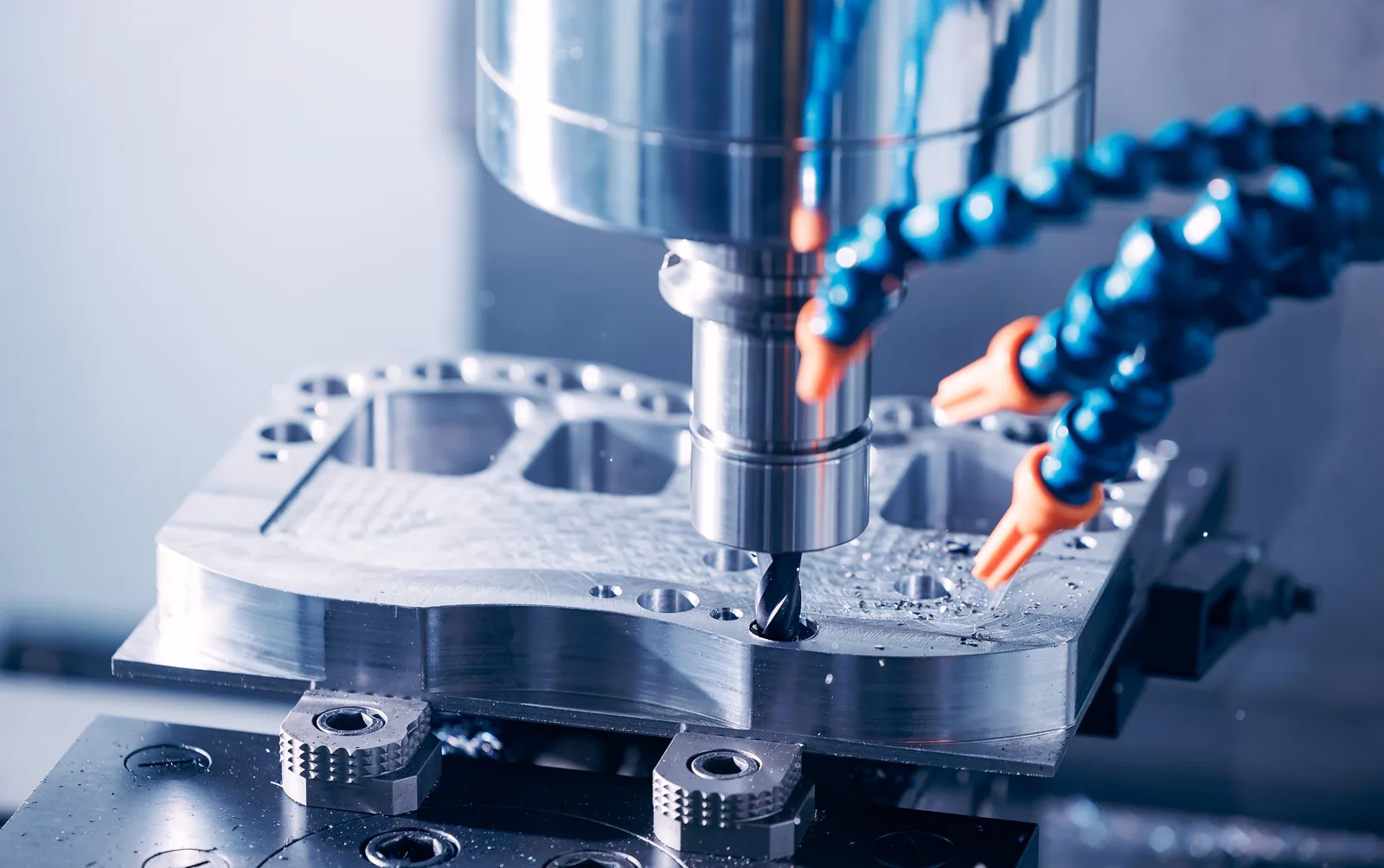

Rhode Island machine shops and manufacturers are who we insure here: contract machinists and fabricators, jewelry and metal-finishing shops, textile mills and converters, food producers, and suppliers to defense and marine customers around Narragansett Bay. The state is small, but its manufacturing mix is unusually varied, and the insurance for a plating line, a textile finishing plant, and a food kitchen could hardly be more different. We start every program from the specific operation rather than from a label.
Rhode Island has four rules we come back to on almost every account. There is no state-run plan for private employers, so federal OSHA handles inspections. Actions for injuries to the person carry a three-year limitation period. When a claimant has altered a product after sale, a specific statute routes that defense through comparative negligence. And the Department of Environmental Management must approve or permit regulated equipment before it operates. The sections below take each one in turn.
Rhode Island premiums: what underwriters look at
A Rhode Island quote begins with the same core information as anywhere else: payroll divided by kind of work, values for machinery, tooling, the building, and inventory, what your products are used for, and several years of losses. On the liability side, end use leads. A plated component for a defense system, a textile used in a protective product, and a packaged food each carry their own kind of products exposure, and underwriters price accordingly.
Rhode Island specifics then come into play. Metal finishing and plating operations raise environmental questions that go well beyond the premises, since chemical baths and wastewater are part of daily work. Food producers face federal registration and preventive-controls requirements that make recall coverage a practical necessity. Defense and marine buyers often write insurance terms into their contracts, which sets minimum limits before price is discussed. And the state’s alteration statute has a real effect on how a products claim is defended. We quote from what you actually do; there is no rate table behind these pages. For the factors common to every state, our article on machine shop and manufacturing insurance pricing covers them.
Jewelry, textiles, food, defense, and the marine trades
Rhode Island Commerce describes a diverse network of manufacturers producing goods in jewelry, textiles, food production, and advanced manufacturing, and it notes industrial designers working across fields that include defense and marine trades. Many Rhode Island firms fall into two of those at once, such as a machine shop that supplies both a marine builder and a defense prime.
Jewelry and metal-finishing shops handle precious metals and plating chemistry. That puts crime and inland marine coverage for high-value stock alongside the usual property program, and it makes pollution coverage a regular topic, because a release from a plating tank is excluded by standard liability forms. Textile producers deal with fire loads from fiber and dust, and with machinery that runs long hours, so property valuation and equipment breakdown deserve attention.
Food producers answer to the U.S. Food and Drug Administration. Food manufacturing and processing facilities must register with the FDA under 21 CFR Part 1, Subpart H, including § 1.225, and 21 CFR Part 117 sets the current good manufacturing practice, hazard analysis, and risk-based preventive controls rule for human food. That framework makes contamination and recall exposure central, which is why product recall coverage sits near the top of a food producer’s program. Defense and marine suppliers bring contract flow-downs and, for waterside work, questions about damage to vessels and equipment in their care.
Federal OSHA oversight of Rhode Island employers
Rhode Island private employers are under federal OSHA. The agency’s Providence Area Office describes itself as the federal office covering private sector employers and workers in Rhode Island, so a private shop or plant here deals directly with federal inspectors and federal standards.
Two federal standards anchor most machine-floor inspections. 29 CFR 1910.212 requires machine guarding, including at the point of operation, and 29 CFR 1910.147 requires procedures that control hazardous energy while machines are serviced. Rolling mills, presses, and cutting equipment in jewelry and textile plants, and slicers and mixers in food plants, all fall under the same logic. Carriers ask about guarding and lockout because those failures drive the worst injuries, and we send your written programs with the submission.
Rhode Island comp in a competitive market
Private insurers write workers compensation in Rhode Island, and prices vary with the classification of your payroll and your claims history. A jewelry bench worker, a plater, a textile machine operator, a food production worker, and a machinist each belong in a different class, and payroll reported in the wrong class is corrected at audit. A good loss record then works in your favor at renewal.
We also check employers liability, which answers lawsuits arising from workplace injuries, and we align comp with the liability lines so nothing falls between them. The workers compensation page explains classification and audits. Many Rhode Island companies have people working in Massachusetts or Connecticut as well, and that payroll must be reported by state.
Jewelry and finishing shops raise one comp question that other trades rarely do. Work at a jeweler’s bench, polishing wheels, and small-part plating involves fine motor work, chemical contact, and dust, and the injuries that follow tend to be cumulative rather than sudden: repetitive strain, dermatitis, and respiratory complaints that build over months. Underwriters look for ventilation, personal protective equipment, and rotation practices, and they read your claims history for exactly those patterns. A written program covering them, with evidence that it is followed, carries weight in pricing. Our article on reducing manufacturing workers comp costs goes through the controls carriers credit most.
A three-year period and the alteration statute
Two Rhode Island statutes shape how a products claim unfolds. R.I. Gen. Laws § 9-1-14(b) provides that actions for injuries to the person must be brought within three (3) years after the cause of action accrues. And R.I. Gen. Laws § 9-1-32(b) addresses products changed after sale: “Any defense claimed by the manufacturer or seller that the person injured made a subsequent alteration or modification to the product that is found to be a significant contributing factor to the injury, death, or property damage shall be controlled by the comparative negligence provisions of § 9-20-4.”
In practical terms, if the injured person altered your product and that alteration was a significant contributing factor, the defense does not simply end the case; it is weighed under the state’s comparative negligence provisions. That makes documentation valuable. Drawings, inspection records, lot tracing, and shipping records that show the condition a product left your facility in all help a defense counsel apply § 9-1-32(b) effectively.
The limitation period points to continuous coverage. Occurrence policies respond to injuries that happened while they were in force, even if the claim comes later, and they suit a manufacturer whose products stay in use for a long time. Claims-made policies respond to claims first made during their term, subject to a retroactive date, so any change of carrier or ownership needs continuity or an extended reporting period. We compare the two in our article on occurrence and claims-made forms, and product recall versus product liability explains why a food or consumer-goods maker needs both.
DEM approvals and the pollution question
Rhode Island’s R.I. Gen. Laws § 23-23-5 provides that “No person shall operate any machine, facility, or device which is subject to approval or permit by the department without an approval or permit of the department,” and the department in question is the Department of Environmental Management. For a manufacturer, that means new plating lines, coating booths, boilers, and similar equipment should be checked for approval or permit requirements before they run.
The insurance side is a separate matter. General liability and property forms both exclude most pollution, so a release from a plating bath, a solvent spill, or an emissions problem at your own site usually requires a dedicated pollution or environmental policy. For a Rhode Island metal finisher that coverage is often as important as general liability. Underwriters for manufacturing insurance accounts with finishing or chemical processes will ask about DEM approvals directly, and having them on file shortens the process.
The chart pairs each of the four Rhode Island rules on this page with the program decision it drives.
Outside that chart, most Rhode Island programs also need commercial property for the building, machinery, and stock, including precious-metal inventory valued properly; manufacturers errors and omissions for products that work as built but fail the buyer’s purpose; and an umbrella to meet the higher limits that defense and marine contracts often require.
Precious-metal stock deserves a separate word. A jewelry manufacturer’s inventory of gold, silver, and platinum, along with finished pieces and customers’ goods held for repair or finishing, is often worth more than the building. Standard property forms can limit coverage for precious metals, for property of others, and for theft, so we schedule that stock specifically, look at how it is stored and secured overnight, and add crime coverage for employee theft where the values warrant it. The goal is a program in which a break-in or a missing lot is a covered loss rather than an argument about wording.
Three Rhode Island locations we know
We insure operations throughout the state. The three locations below each have a named feature that changes how we build the program.
- Providence. Federal OSHA’s Providence Area Office covers private employers statewide, and CBP also runs a port of entry for Providence. Metal finishers in the city face both federal inspection and import logistics, so comp documentation and transit limits get equal attention.
- North Kingstown. The Quonset Business Park, home to the Port of Davisville on Narragansett Bay, is in North Kingstown. Manufacturers there often move heavy or bulky goods by water, which makes cargo terms and the risk of loss at the pier part of the program.
- Newport. U.S. Customs and Border Protection runs a port of entry in Newport. Marine-trade fabricators working on customers’ vessels need to check the care, custody, and control exclusion before they take a boat onto their premises.
Rhode Island is one of the 48 states in which we hold a license. Companies with sites nearby can also read our pages for Connecticut and Massachusetts, or look through all the states we serve.
Contract shop, product company, or both
Rhode Island businesses often combine contract work with their own lines. A shop that machines, plates, or finishes parts to a customer’s specification should begin with our page on machine shop insurance, which covers the equipment-heavy side of contract work. A company that designs and sells jewelry, textiles, food, or equipment under its own name should read our page on manufacturing insurance, where products liability and recall carry more of the weight. When one company does both, we write a single program that rates each side properly.
Rhode Island manufacturer and machine shop FAQs
Which agency inspects private Rhode Island manufacturers?
Federal OSHA. The agency’s Providence Area Office covers private sector employers and workers in Rhode Island, so a private machine shop, finisher, or plant is inspected under federal standards. The machine guarding standard and the hazardous-energy control standard are the two that come up most, and carriers ask to see your programs for both when they price comp and liability.
How long does an injured person have to sue in Rhode Island?
R.I. Gen. Laws § 9-1-14(b) requires actions for injuries to the person to be brought within three (3) years after the cause of action accrues. Because injuries from a product can happen long after it ships, manufacturers should keep products-completed operations coverage continuous and think carefully before changing from an occurrence form to a claims-made form.
What happens when a customer alters our product and someone is hurt?
Under R.I. Gen. Laws § 9-1-32(b), a manufacturer’s defense that the injured person made a subsequent alteration that significantly contributed to the injury is controlled by the comparative negligence provisions of § 9-20-4. The alteration is weighed rather than treated as automatic. Records of how the product left your plant help that defense.
Does a Rhode Island plating shop need a DEM permit?
Possibly. R.I. Gen. Laws § 23-23-5 bars operating any machine, facility, or device subject to approval or permit by the Department of Environmental Management without that approval or permit. Plating lines, coating booths, and boilers are common examples to check. General liability excludes most pollution, so a plating shop also needs a separate pollution policy for releases.
Why does a Rhode Island food producer need recall coverage?
Food manufacturing and processing facilities register with the FDA under 21 CFR Part 1, Subpart H, and 21 CFR Part 117 sets the preventive-controls rule for human food. When contamination forces product off shelves, general liability does not pay to retrieve and replace it. Product recall coverage does, and many retail and distribution customers expect a producer to carry it.
Is Rhode Island comp bought from private insurers?
Yes. Private insurance carriers write it in a competitive market. Your premium depends mainly on how payroll is classified and on your loss history. We check that jewelry workers, platers, machine operators, food workers, and office staff are each assigned the right class, and we pair comp with employers liability so an injury that becomes a lawsuit still has coverage.
Get a Rhode Island manufacturing insurance quote started
Tell us whether your Rhode Island business finishes, fabricates, weaves, or cooks, and who it sells to, and we will bring it to carriers that write that class.