
Coverage Explained

Product Recall vs Product Liability: The Real Difference

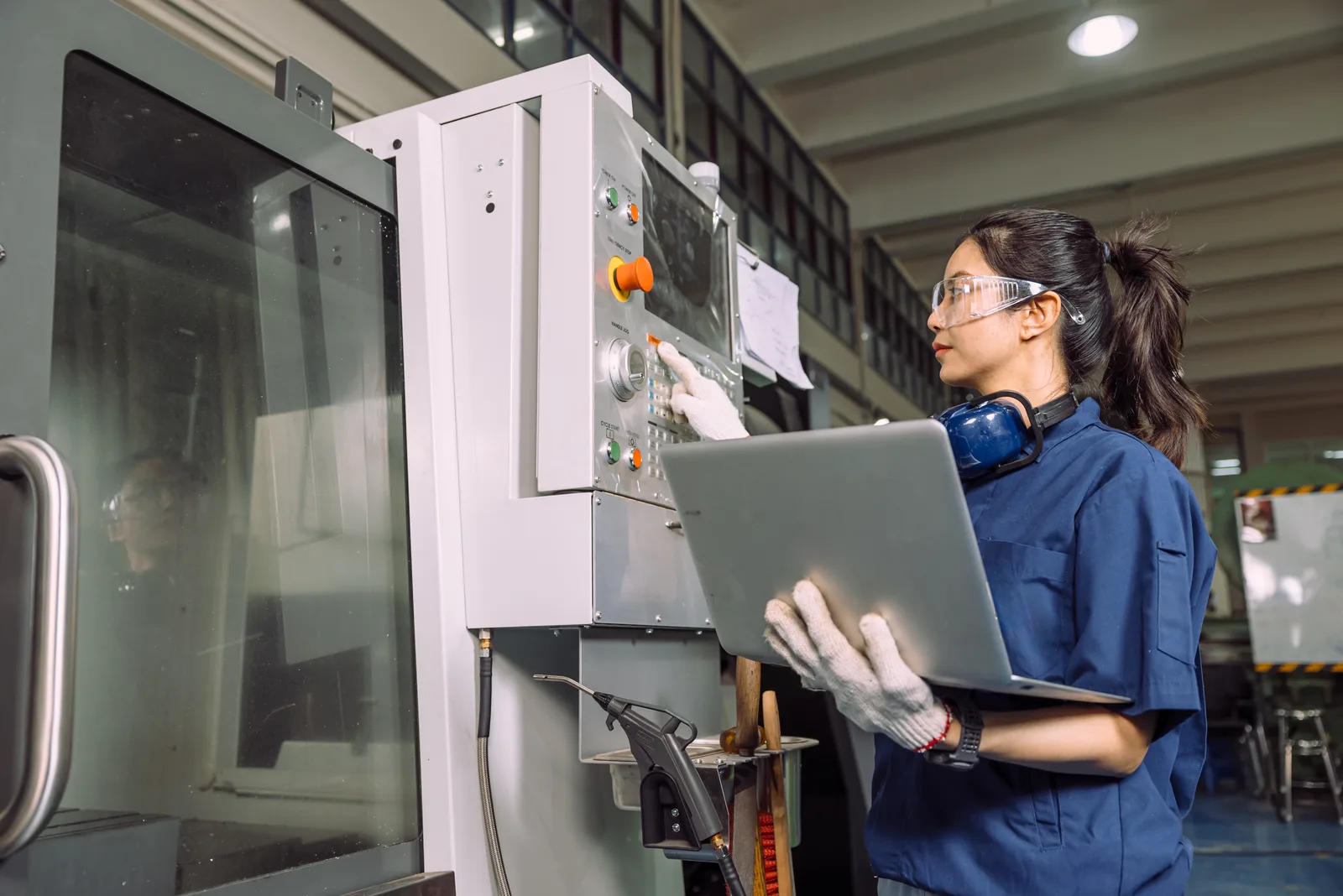
A machinist loading a part at a CNC turning center inside a clean machining facility

Two of the coverages that cluster around a defective product get confused more than any other pair, and the confusion is expensive: an owner assumes that because they carry strong product-liability coverage, a recall is handled too. It is not. Product liability and product recall answer two completely different bills — one is the lawsuit over the harm the product caused, the other is the cost of pulling the product back out of the market — and general liability, where product liability lives, specifically excludes the second. This post draws the line between them.

The short version: product liability covers the harm a defective product causes; product recall covers the cost of getting it back. The harm side lives inside your general liability and products liability policy; the recall cost is a separate first-party line, product recall, because the general liability form excludes it. A manufacturer with real recall exposure carries both, and this is where owners most need the boundary drawn before a claim, not during one.

Product liability: the harm the product causes

Product liability is carried within general liability through a defined term — the products-completed operations hazard. In the standard ISO coverage form most policies start from, typically the occurrence-based CG 00 01, that hazard covers third-party bodily injury and property damage arising out of “your product” or “your work,” occurring away from premises you own or rent, after the product has been put to its intended use or the work is complete. In plain terms: a part you made fails out in the field, after it has left your control, and injures someone or damages other property — that is the harm product liability answers.

The key word is harm. Product liability responds to the third-party injury or property damage the defect causes — the operator hurt by a failed part, the property damaged when a component lets go downstream. It is the lawsuit side of a defective product, and for a manufacturer it is the defining exposure, because a product you make keeps existing long after it leaves your dock.

Product recall: the cost of pulling it back

Product recall answers a different consequence of the same defect. When a product has to come back out of the market, somebody has to find the units, notify customers, ship the product back, store it, dispose of it, and replace it — and all of that is a first-party expense, a cost the manufacturer carries directly the moment the recall starts, whether or not anyone was hurt. That bill is what product recall coverage is built for.

It is a fundamentally different kind of loss from the harm. The harm is a third-party claim — someone sues you. The recall cost is your own expense — nobody has to sue you for it to land. A manufacturer can have no injury at all and still face a serious recall bill, because the defect was caught before it hurt anyone but after the product had already shipped.

Product liability versus product recall — the harm a defective product causes, answered by general liability, beside the first-party cost of pulling the product back, answered by product recall A two-column comparison. The first column is product liability: the harm, covering third-party bodily injury or property damage the defect causes, with general liability responding. The second, highlighted column is product recall: the first-party expense, covering notification, shipping back, storage, disposal, and replacement, with product recall responding. Between them a note states that the standard general-liability recall, or sistership, exclusion removes the cost of withdrawing or recalling the product, so the recall cost cannot sit inside general liability. A footnote states that general liability pays the harm the product causes, not the cost to pull the product back, and that bill is product recall, a separate first-party line. No figures are shown. The harm vs the cost of pulling it back Product liability The harm Third-party bodily injury or property damage a defect causes General liability responds.

vs

Product recall The first-party expense Notification, shipping back, storage, disposal, replacement Product recall responds. The general-liability recall (“sistership”) exclusion removes the cost of withdrawing or recalling the product, so the recall cost cannot sit inside general liability. General liability pays the harm the product causes — it does not pay the cost to pull the product back. That bill is product recall, a separate first-party line.
Product liability versus product recall — general liability answers the harm a defective product causes; the recall, or sistership, exclusion keeps the cost of pulling the product back off that policy, so the recall expense is its own first-party line.

The exclusion that makes them two policies

The reason these cannot be one coverage is written into the general liability form itself. The standard form carries a recall-expense exclusion — often called the sistership exclusion — that removes the cost of withdrawing, recalling, inspecting, or replacing a product from the policy. General liability is built around the harm a defective product causes; the exclusion makes explicit that it is not built to pay the cost of pulling the product back.

The consequence is concrete. A manufacturer who carries strong general liability but no recall coverage can have the injury claim defended and still face the entire cost of the withdrawal — notification, freight, storage, disposal, replacement, and the labor and communications around it — with no policy behind it. Product recall exists specifically to answer the bill general liability excludes, which is why the two are written as separate lines.

Third-party recall: when your component triggers a customer’s recall

There is one more wrinkle that matters most to parts makers. The recall that hurts a component supplier is often not its own. When a part you supplied is built into your customer’s finished product and a defect in your part forces them to recall their product, your customer can pass the cost of that recall back to you. Third-party recall coverage is the extension that responds to the recall expense imposed on you in that situation, separate from the first-party recall of a product you sell under your own name.

That changes how a supplier should think about the coverage. A shop that machines parts to a customer’s print may never recall a product of its own, yet still face a serious recall bill the day a part it supplied is blamed for a downstream withdrawal. Reading whether your policy carries third-party recall, and at what trigger, is part of matching the coverage to where your real exposure sits.

Two lines, and the third beside them

Product liability and product recall are two of the three lanes that cluster around a defective product. The third is manufacturers errors and omissions, which answers a customer’s pure financial loss when a product underperforms without hurting anyone — covered in full in manufacturers errors and omissions explained. The complete picture, with all three side by side, is in our hub post, three products coverages distinguished; and if you want the recall mechanics in detail, what product recall insurance covers breaks down the expense categories.

Why it matters for your operation

If a defective run can both injure a third party and force a withdrawal, you are exposed on two bills, and only carrying both lines answers both. We read where each would land for your shop or plant — whether your harm exposure runs through a part in someone else’s assembly, and whether a recall would be your own product or your customer’s triggered by your component — and we write product liability and product recall as distinct lines, never assumed into one. When you are ready, start a quote and tell us what you make or machine, or read the general liability and products liability and product recall pages to see how the two fit together. Forms and editions vary by carrier, so the right move is always to confirm what your policy actually carries rather than assume.

The bottom line

Product liability and product recall answer two different bills. Product liability — carried within general liability through the products-completed operations hazard — pays the third-party harm a defective product causes: the bodily injury or property damage. Product recall pays the first-party cost of pulling the product back out of the market: notification, shipping, storage, disposal, and replacement. General liability does not pay the recall cost — the standard form’s recall-expense, or sistership, exclusion removes it — and a third-party component-recall extension can respond when your component triggers a customer’s recall. A manufacturer with real recall exposure carries both, written as distinct lines. Forms, editions, and endorsements vary by carrier, so confirm what your policy actually carries rather than assuming.

Frequently asked questions

What is the difference between product liability and product recall?

They answer two different bills from the same defective product. Product liability — carried within general liability through the products-completed operations hazard — pays the third-party harm: the bodily injury or property damage a defective product causes after it leaves your control. Product recall pays the first-party cost of pulling the product back out of the market: customer notification, shipping, storage, disposal, and replacement. One answers the lawsuit over the harm; the other pays to get the defective product out of circulation. They are different coverages, and a manufacturer with real recall exposure usually carries both written as distinct lines rather than assuming one covers the other.

Does general liability pay the cost of a product recall?

No. The standard general liability form carries a recall-expense exclusion — sometimes called the sistership exclusion — that removes the cost of withdrawing, recalling, or inspecting a product from coverage. General liability is built around the harm a defective product causes, the third-party bodily injury or property damage; it is not built to pay the cost of pulling the product back. So a manufacturer relying on general liability alone has no coverage for the notification, shipping, storage, disposal, and replacement that a recall actually costs. Product recall coverage exists precisely to answer the first-party expense the general liability form excludes.

What is the products-completed operations hazard?

It is the defined term in the standard general liability form that carries products liability. In the standard ISO coverage form most policies start from, typically the occurrence-based CG 00 01, the products-completed operations hazard covers bodily injury and property damage arising out of “your product” or “your work,” occurring away from premises you own or rent, after the product has been put to its intended use or the work is complete. It is the harm side of the equation: it answers the third-party injury or property damage a defective product causes downstream, and it specifically does not pay the cost of recalling the product.

What is third-party or component-recall coverage?

It extends recall coverage one step up the supply chain. If a defective component you supplied is built into your customer’s finished product and your part forces them to recall that product, your customer can pass the cost of that recall back to you. Third-party recall coverage can respond to the recall expense imposed on you in that situation, separate from the first-party recall of your own product. For a parts maker or component supplier whose product goes into someone else’s finished good, that extension is often the more important half of the coverage, because the recall that hurts you may be your customer’s, triggered by your component.

Why does a manufacturer need both product liability and product recall?

Because a single defective run can trigger both at once, and each line is written to answer only one of the resulting bills. If a part injures someone, that is the harm, and product liability responds. If the same defect forces the product back out of the market, that is the recall cost, and product recall responds — general liability will not, because of its recall-expense exclusion. A manufacturer who carries only one is exposed on the other, which is why the two are written together as distinct lines rather than assumed into a single policy.

Where does manufacturers errors and omissions fit alongside these two?

It is the third lane in the same cluster. Product liability answers the harm, product recall answers the cost of the recall, and manufacturers errors and omissions answers a third-party financial loss when a product fails to perform as specified but injures no one and damages no other property. The three are distinguished in full in our hub post on the three products coverages, and a manufacturer is often exposed to more than one of them from the same defective product.

About the author

Nate Jones, CPCU

Nate Jones, CPCU, is the founder of Wexford Insurance and Machine Guard Insurance, a specialty insurance agency placing machine shop and manufacturer coverage in 48 states across a 20-carrier specialty panel. He writes general liability and product recall for machine shops and manufacturers, and keeps the harm and the recall cost in separate lanes — products liability through the products-completed operations hazard for the third-party harm, and product recall for the first-party expense the standard general-liability form excludes — reading both against the products a shop or plant actually ships before a policy binds. Connect via the Machine Guard Insurance quote form or call 317-942-0549.

Insure your shop or plant with a CPCU-led agency

Tell us what you machine or make — a job shop, a product manufacturer, or both — and we will market it to carriers that write the class.