
Coverage Explained

Three Products Coverages for Manufacturers, Distinguished

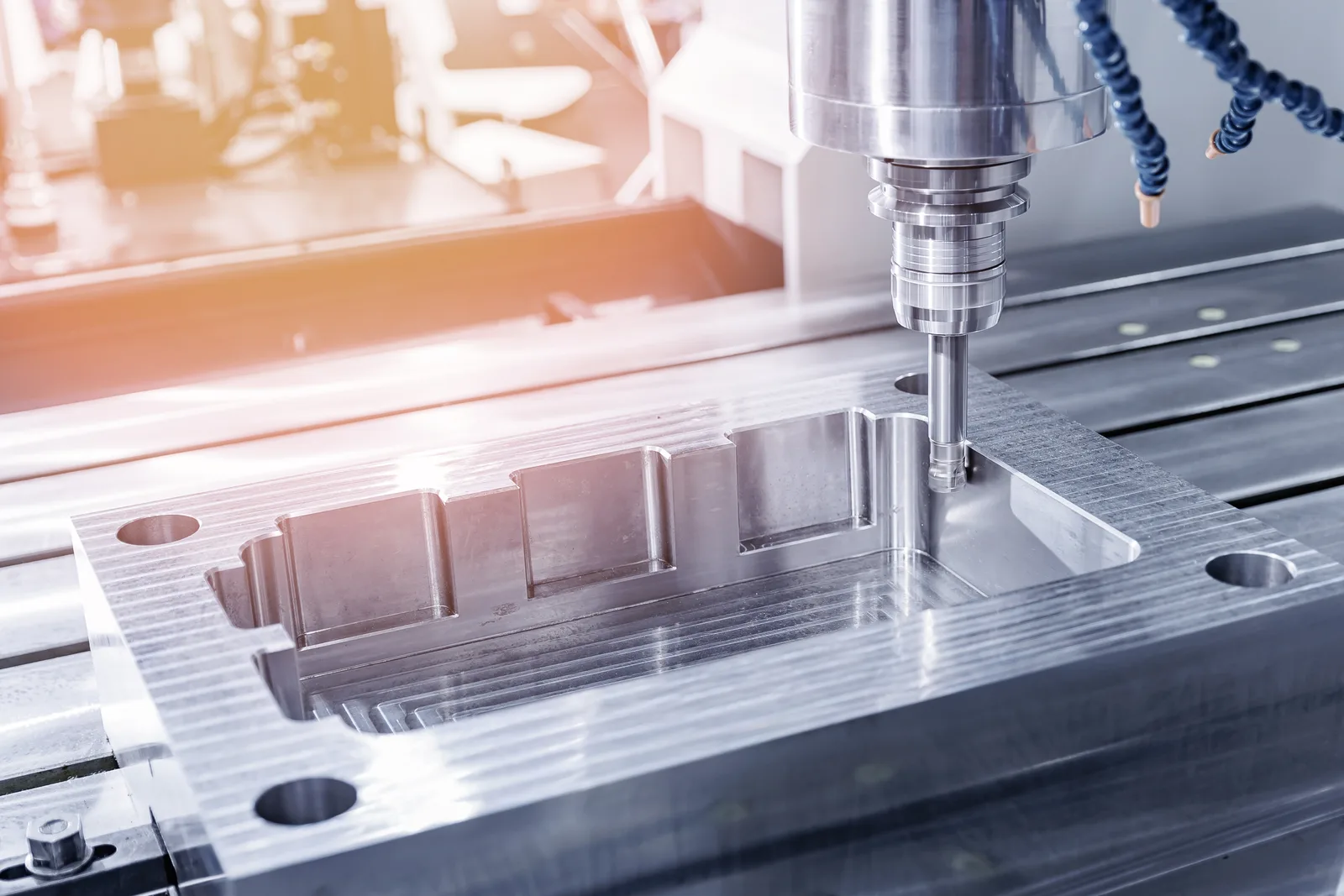
A machinist loading a part at a CNC turning center inside a clean machining facility

A defective product does not hurt a manufacturer in one way; it hurts in three. The same bad run can injure a third party, force a costly withdrawal from the market, and leave a customer with a financial loss — and those are three different bills that three different lines answer. Owners most often get into trouble not because a coverage is missing but because they assume one policy stretches across all three, and then a claim lands on the seam between two of them. This post is the one place to see all three side by side: products liability for the harm, product recall for the recall cost, and manufacturers errors and omissions for the financial loss.

The short version: three exposures, three lines. Products liability — carried within general liability — covers the harm a defective product causes. Product recall covers the cost of pulling the product back. Manufacturers errors and omissions covers the financial loss when a product underperforms without hurting anyone. Each of those has its own coverage-page treatment — general liability and products liability, product recall, and manufacturers errors and omissions — and this post draws the lines between them so a single defective run does not find the gap.

Why one product needs three coverages

The reason these three cluster together is that they all trip off the same event — a product that turns out to be defective, out of spec, or contaminated — but each answers a completely different consequence of it. Hold that in mind and the distinction stops being abstract.

Picture one machined run that comes back wrong. If a part from that run fails in a customer’s equipment and injures the operator, that is harm — a third-party bodily-injury claim. If the defect means the whole run has to be pulled back out of the field, that is the recall cost — a first-party expense, paid whether or not anyone was hurt. And if the parts injure no one and break nothing but simply do not meet the spec, so the customer is out real money on a missed deadline, that is a financial loss. Same run, three outcomes, three lines.

The harm: products liability, carried in general liability

The first lane answers the third-party harm a defective product causes. It is carried within general liability through a defined term — the products-completed operations hazard. In the standard ISO coverage form most policies start from, typically the occurrence-based CG 00 01, that hazard covers bodily injury and property damage arising out of “your product” or “your work,” occurring away from premises you own or rent, after the product has been put to its intended use or the work is complete. That is the real, named mechanism in the policy, and for a manufacturer it is the defining exposure, because a product you make keeps existing long after it leaves your dock.

What products liability does not do is pay to recall the product, and it does not answer a product that simply underperforms. The standard form carries a recall-expense exclusion that removes the cost of withdrawal, and exclusions around impaired property that remove pure financial loss. So general liability is the foundation, and it answers the harm — but it hands the other two consequences to their own lines.

Three exposures, three lines — products liability for the harm, product recall for the recall cost, and manufacturers errors and omissions for the financial loss A three-column comparison. A unifying accent bar across the top states that one defective product can trigger all three at once. The first column is the harm: products liability, carried in general liability, covering third-party bodily injury or property damage. The second column is the recall cost: product recall, a first-party expense, covering the cost of pulling the product back off the market. The third column is the financial loss: manufacturers errors and omissions, covering pure financial loss when a product underperforms and no one is hurt. A footnote states that the three are separate lines, and treating them as one policy lets a real claim fall through the gap between them. No figures are shown. Three exposures, three lines One defective product can trigger all three at once The harm Third-party bodily injury or property damage Products liability (in general liability) The recall cost Pulling the product back off the market Product recall (first-party expense) The financial loss A product underperforms, no one is hurt Manufacturers E&O (pure financial loss) Three exposures, three lines: the harm, the recall cost, and the financial loss. Treat them as one policy and a real claim falls through the gap between them.
The three products-adjacent lines side by side — products liability for the harm, product recall for the recall cost, and manufacturers errors and omissions for the financial loss. One defective product can trigger all three, and each is its own line.

The recall cost: product recall

The second lane answers a bill, not a lawsuit. When a defect or contamination means a product has to come back out of the market, somebody has to find the units, notify customers, ship the product back, store it, dispose of it, and replace it — and all of that is a first-party expense the manufacturer carries directly, whether or not anyone was hurt. That is what product recall coverage answers.

It matters because general liability specifically excludes it. The standard form carries a recall-expense exclusion — often called the sistership exclusion — that removes the cost of withdrawing, recalling, or inspecting a product. So a shop with strong general liability and no recall coverage can win the argument over the injury and still pay the entire cost of the withdrawal out of pocket. A third-party component-recall extension goes one step further: when a component you supplied forces your customer to recall their finished product, it can respond to the recall cost passed back to you. Recall covers the cost of the recall — not the harm, and not the financial loss.

The financial loss: manufacturers errors and omissions

The third lane answers the loss nobody gets hurt by. When a product fails to perform as specified — it is out of spec, unusable, and leaves the customer with a financial loss — but injures no one and damages no other property, the loss is purely financial. General liability is built around physical harm, and the standard form’s exclusions around “impaired property” and property that has not been physically injured are written directly at that situation, so general liability does not respond.

That exposure has its own home: manufacturers errors and omissions, a professional-liability line often written on a claims-made basis. It answers the customer’s pure financial loss from underperformance — the missed deadline, the lost revenue, the contract penalty — distinct from the harm products liability answers and the recall cost product recall answers. It is the coverage for the loss the other two are specifically not written to pay.

Where the lines divide, in one sentence

Here is the whole distinction in a form worth keeping: products liability answers the harm; product recall answers the cost of the recall; manufacturers errors and omissions answers the financial loss. Three exposures, three lines. A manufacturer can be exposed to all three from a single defective run, and the danger is never that the coverages overlap — it is that an owner treats them as one and discovers, mid-claim, that the bill in hand belongs to a line the policy did not include.

If you want each lane in more depth, the cluster goes deeper from here: products liability versus product recall draws the harm-versus-cost line, manufacturers errors and omissions explained walks the financial-loss gap, and what product recall insurance covers breaks down the recall-expense mechanics.

Why it matters for your operation

If you make or machine a product, these three lines are the spine of your program, and the worst time to learn the difference between them is during a claim. We read each lane against the products you actually ship — whether your harm exposure runs through a part in someone else’s assembly, whether a recall would be your own product or your customer’s triggered by your component, and how tightly your product is held to a specification — and we write the three as distinct lines rather than pretending one policy answers for all of them. When you are ready, start a quote and tell us what you make or machine, or read the general liability and products liability, product recall, and manufacturers errors and omissions pages to see how the three fit together. Forms and editions vary by carrier, so the right move is always to confirm what your policy actually carries rather than assume.

The bottom line

A defective product can hit a manufacturer in three separate ways, and three separate lines answer them: products liability — carried in general liability through the products-completed operations hazard — pays the third-party harm; product recall pays the first-party cost of pulling the product back; and manufacturers errors and omissions pays the customer’s pure financial loss when a product underperforms without hurting anyone. Three exposures, three lines: the harm, the recall cost, and the financial loss. Conflate them and a real claim falls through the gap between policies, which is why a manufacturer with genuine products exposure usually carries all three written distinctly. Forms, editions, and endorsements vary by carrier, so confirm what your policy actually carries rather than assuming.

Frequently asked questions

What are the three products-adjacent coverages a manufacturer needs to keep separate?

They are products liability, product recall, and manufacturers errors and omissions, and the clean way to hold them apart is by the bill each one answers. Products liability — carried within general liability through the products-completed operations hazard — pays the third-party harm a defective product causes, the bodily injury or property damage. Product recall pays the first-party cost of pulling the product back out of the market: notification, shipping, storage, disposal, and replacement. Manufacturers errors and omissions pays a third-party financial loss when a product fails to perform as specified but injures no one and damages no other property. Three exposures, three lines: the harm, the recall cost, and the financial loss. A single defective run can touch all three, which is why they are written distinctly rather than assumed into one policy.

Why does conflating these three coverages leave a gap?

Because each line is written to answer one bill and is specifically not written to answer the other two. General liability’s products side pays the harm but carries a recall-expense exclusion, so it will not pay the cost of the recall; it also carries exclusions around impaired property, so it will not pay pure financial loss when a product simply underperforms. Product recall pays the retrieval cost but not the injury and not the financial-loss claim. Manufacturers errors and omissions pays the financial loss but not the recall cost and not the bodily injury. A manufacturer who assumes one policy stretches across all three discovers the gap during a claim, when the bill that lands is the one the policy in hand was not built for.

Which line covers a defective part that injures someone after it ships?

That is products liability, carried within general liability through the products-completed operations hazard — in the standard ISO coverage form most policies start from, typically the occurrence-based CG 00 01, it covers third-party bodily injury and property damage arising out of “your product” or “your work,” away from your premises, after the product has been put to its intended use. A part that fails in a customer’s machine and injures the operator is the textbook products-completed operations claim. It is the harm side of the three-way distinction, and it is distinct from the cost of pulling the product back and from a pure financial loss when a product underperforms.

Which line covers the cost of pulling a defective product back?

That is product recall, and it is a first-party expense line, not a liability claim. The standard general liability form carries a recall-expense exclusion — sometimes called the sistership exclusion — that removes the cost of withdrawing or recalling a product from coverage. So the notification, shipping, storage, disposal, and replacement that a recall actually costs sit on the product recall policy, not on general liability. A third-party component-recall extension can also respond when a component you supplied forces your customer to recall their finished product. Recall covers the cost of the recall — not the harm, and not the financial loss.

Which line covers a product that underperforms but hurts no one?

That is manufacturers errors and omissions, often written on a claims-made basis. When a product fails to perform as specified — it is out of spec and leaves the customer with a financial loss, but injures no one and damages no other property — the standard general liability form’s exclusions around impaired property and property that has not been physically injured typically apply, so general liability does not respond. Manufacturers errors and omissions is the professional-liability line written for exactly that pure financial loss. It covers the financial loss, distinct from the harm and from the recall cost.

Does a manufacturer really need all three coverages?

Often, yes, though it depends on what you make and how it reaches the market. A manufacturer that puts a physical product into use carries real harm exposure, real recall exposure, and real performance exposure, and the same defective run can trigger more than one at once — an injury, a withdrawal, and a customer’s financial loss all from a single bad part. Writing the three lines distinctly is how each bill finds a policy built to answer it. Which lines matter most, and at what limits, depends on your operation, which is exactly the read we do before a policy binds.

About the author

Nate Jones, CPCU

Nate Jones, CPCU, is the founder of Wexford Insurance and Machine Guard Insurance, a specialty insurance agency placing machine shop and manufacturer coverage in 48 states across a 20-carrier specialty panel. He writes the general liability and the full products-adjacent program for machine shops and manufacturers, and keeps the three lanes razor-clean — the products-completed operations hazard for the harm, product recall for the first-party recall expense, and manufacturers errors and omissions for pure financial loss — reading each against the products a shop or plant actually ships so a defective run does not find the gap between policies. Connect via the Machine Guard Insurance quote form or call 317-942-0549.

Insure your shop or plant with a CPCU-led agency

Tell us what you machine or make — a job shop, a product manufacturer, or both — and we will market it to carriers that write the class.