
Coverage Explained

Manufacturers Errors and Omissions Insurance, Explained

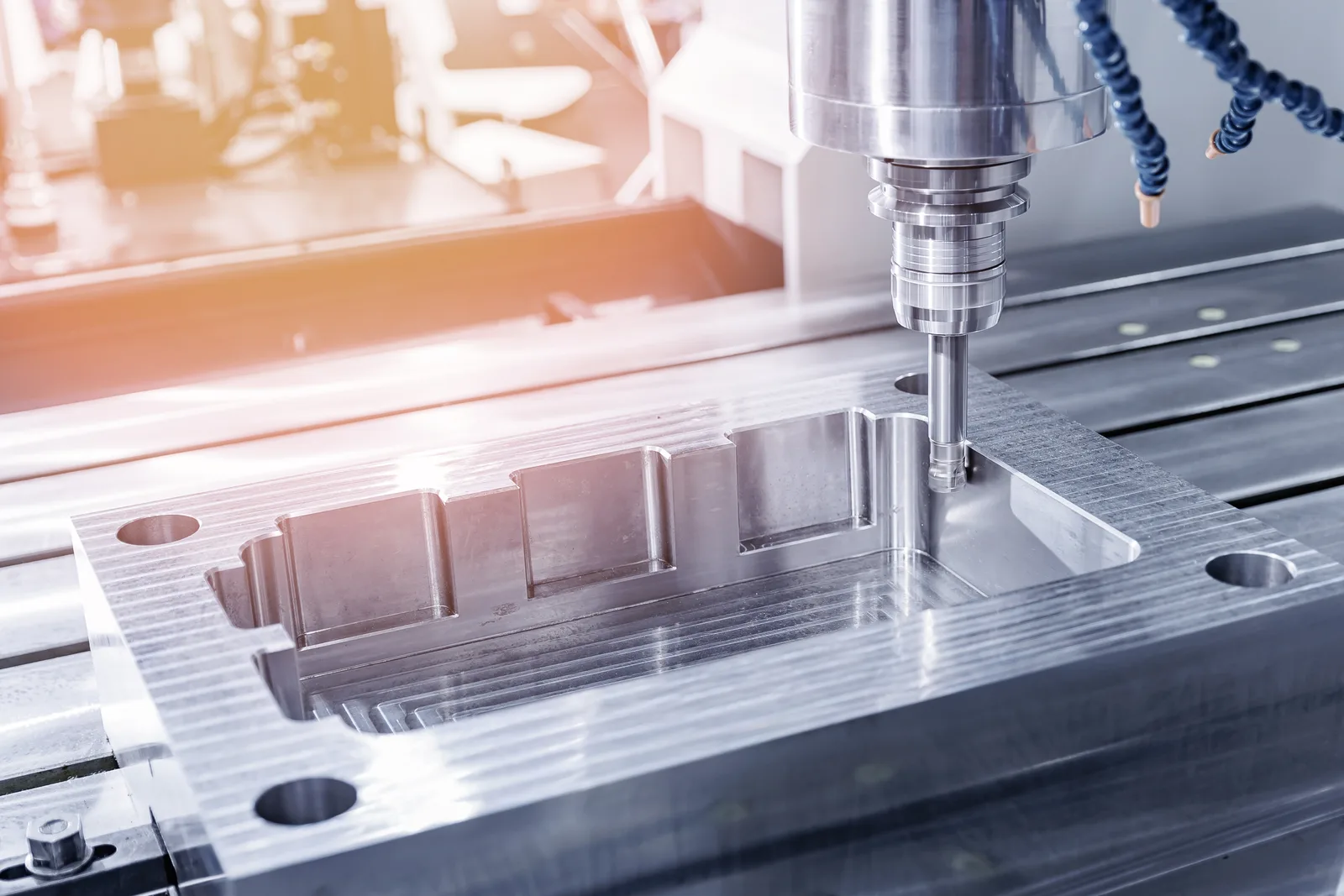
A machinist loading a part at a CNC turning center inside a clean machining facility

There is a kind of loss a manufacturer can cause that nobody gets hurt by and nothing gets broken by — and that is exactly why it slips through the coverage most shops assume protects them. A part comes back out of spec and cannot be used. A product does not do what the contract said it would. No one is injured, no other property is damaged, but the customer is out real money. That pure financial loss has a name and a home, and the home is not general liability. This post explains the gap and the line that fills it.

The short version: general liability is built around physical harm, and it is written to leave pure financial loss out. So when a product underperforms but hurts no one, the customer’s financial loss falls into a gap — and manufacturers errors and omissions is the professional-liability line built to fill it. The harm side, by contrast, lives in your general liability and products liability policy. Getting that boundary right is the difference between a covered claim and a surprise.

The loss nobody gets hurt by

Start with the loss itself, because it is the part owners overlook. Most people picture a defective product as something that injures someone or breaks something — the harm. But a product can be perfectly safe and still be a serious problem if it does not perform. A part machined to the wrong tolerance is not dangerous; it is just unusable. A product that does not deliver the function it was sold to meet hurts no one; it just leaves the customer carrying a financial loss — a missed deadline, lost revenue, a contract penalty, the cost of starting over.

That is pure financial loss: a third-party loss that is entirely financial, flowing from a product that failed to perform as specified, with no bodily injury and no property damage attached. It is real, it is common for any manufacturer whose product is bought on a specification, and it is precisely the loss general liability is not written to answer.

Why general liability does not respond

The reason is a deliberate gap in the standard general liability form, and it is worth naming precisely. General liability is written to respond to bodily injury and property damage — physical harm. It is also written to exclude the situation where a product causes neither. The standard form’s exclusions around “impaired property” and around property that has not been physically injured are drafted directly at the underperforming-product scenario: a product that is defective or does not meet a specification, that can be restored to use by repair or replacement, and that has caused no physical damage to anything.

Those exclusions mean general liability generally will not respond to pure financial loss with no physical harm. This is not an oversight or a coverage failure — it is the form working as designed. General liability answers the harm; it is specifically not written to answer the financial consequence of a product that simply underperforms. The exposure is left without a home on the general liability policy, and that is the precise gap the next line fills.

The gap general liability leaves — pure financial loss when a product underperforms — and manufacturers errors and omissions, the line that fills it A three-box gap diagram. On the left, general liability covers bodily injury and property damage, the harm. In the center, a highlighted box marks the gap: pure financial loss when a product underperforms, with no injury and no property damage. On the right, manufacturers errors and omissions fills the gap, answering the financial loss. Arrows connect the left box to the center gap and the center gap to the right box. A footnote states that the standard general-liability impaired-property exclusion removes the underperforming product that hurt no one and damaged nothing, leaving the pure financial loss to manufacturers errors and omissions. No figures are shown. The gap general liability leaves — and the line that fills it General liability Covers bodily injury and property damage — the harm. The gap Pure financial loss: no injury, no property damage — just underperformance. Manufacturers E&O Fills the gap — the financial loss when a product underperforms. The general-liability “impaired property” exclusion removes the underperforming product that hurt no one and damaged nothing — leaving the financial loss to E&O.

Same defect, no harm done — the loss is purely financial.

The gap general liability leaves — its impaired-property exclusion removes the underperforming product that injured no one and damaged nothing, and manufacturers errors and omissions is the line that fills the pure financial loss.

A worked example: a part machined out of spec

The cleanest way to see the line is a single example. Say you machine a part to a customer’s print, and it comes back out of spec — the tolerance is wrong, and the part is unusable in their assembly. Nobody is injured. No other property is damaged. But your customer cannot ship, misses a production deadline, and sues you for the lost revenue and the cost of the delay.

Walk it through the policies. Is there bodily injury? No. Is there property damage to something other than your own part? No. So general liability, built around physical harm, does not respond. The loss is entirely financial, and it flows directly from the product failing to perform as specified — which is the textbook trigger for manufacturers errors and omissions. What matters is the type of loss, and the fact that it lands in this line and not in general liability.

Claims-made coverage and the retroactive date

One mechanic of this line deserves its own attention, because it is where coverage is most often lost by accident. Manufacturers errors and omissions is often — though not always — written on a claims-made basis. A claims-made policy responds based on when the claim is reported, not when the underlying error occurred, and it depends on two things: keeping coverage continuous, and the retroactive date — the date back to which the policy will look for covered errors.

That is different from an occurrence policy, which responds to events that happened during the policy period regardless of when the claim is finally made. The practical consequence is real: with a claims-made policy, letting the coverage lapse or losing the retroactive date can leave an otherwise valid claim unanswered. Reading whether your errors-and-omissions line is claims-made, and protecting the retroactive date through renewals, is the kind of detail that is invisible until a claim makes it matter.

The third lane, beside harm and recall

Manufacturers errors and omissions is one of three lanes that cluster around a defective product. The other two are products liability, which answers the harm a defective product causes, and product recall, which answers the first-party cost of pulling the product back. The full distinction, with all three side by side, is in our hub post, three products coverages distinguished; and the harm-versus-cost line specifically is drawn in product recall versus product liability. The clean sentence to keep: products liability answers the harm, product recall answers the recall cost, and manufacturers errors and omissions answers the financial loss.

Why it matters for your operation

If your customers buy on the promise that a part or product will perform to a print, a tolerance, or a standard, then underperformance is a real exposure — and general liability will not answer it. We read your general liability’s impaired-property exclusion so no one assumes that policy stretches to cover a financial loss, check whether the errors-and-omissions line is claims-made, and protect the retroactive date through renewals. When you are ready, start a quote and tell us how tightly your product is held to a specification, or read the manufacturers errors and omissions and general liability and products liability pages to see how the lines fit together. Forms and editions vary by carrier, so the right move is always to confirm what your policy actually carries rather than assume.

The bottom line

Manufacturers errors and omissions is the professional-liability line for a third-party pure financial loss — when a product fails to perform as specified but causes no bodily injury and no property damage. General liability is built around physical harm, and the standard form’s exclusions around “impaired property” and property that has not been physically injured are written directly at the underperforming-product situation, so general liability does not respond. Manufacturers errors and omissions, often written on a claims-made basis with a retroactive date, fills that gap. It sits beside the two other products-adjacent lines — products liability for the harm, and product recall for the recall cost — and answers the one neither of them is written for. Forms, editions, and endorsements vary by carrier, so confirm what your policy actually carries rather than assuming.

Frequently asked questions

What does manufacturers errors and omissions cover?

Manufacturers errors and omissions is a professional-liability line that covers third-party pure financial loss when a product fails to perform as specified or promised but causes no bodily injury and no property damage. The classic situation is a part machined out of spec that turns out to be unusable: nobody is hurt, nothing else is broken, but the customer suffers a financial loss — a missed production deadline, lost revenue, rework, or a contract penalty. General liability is built around physical harm, so it generally does not respond to a loss that is purely financial. Manufacturers errors and omissions is the line written for exactly that performance-and-specification failure.

Why does general liability not cover a product that underperforms?

Because general liability is built around physical harm, and the standard form is written to exclude pure financial loss with no physical damage. Its exclusions around impaired property and around property that has not been physically injured are drafted precisely for the situation where a product does not do what it was supposed to but injures no one and damages no other property. The result is a real gap: a customer left with a financial loss from an underperforming product, and no general-liability response. Manufacturers errors and omissions is the line that fills that gap, which is why a manufacturer whose product is relied on to meet a specification carries it as its own coverage.

What is the impaired-property exclusion?

It is the part of the standard general liability form that creates the financial-loss gap. The exclusions around “impaired property” and around property that has not been physically injured remove from coverage the situation where a product is defective or out of spec, can be restored to use by repair or replacement, and has caused no physical damage to anything. In other words, when a product simply fails to perform but nothing is broken and no one is hurt, the standard form is written to exclude it. That is the precise gap manufacturers errors and omissions is built to fill.

Is manufacturers errors and omissions claims-made or occurrence?

It is often written on a claims-made basis, though that depends on the policy. A claims-made policy responds based on when the claim is reported rather than when the underlying error happened, which means it relies on keeping continuous coverage and watching the retroactive date — the date back to which the policy will look. By contrast, an occurrence policy responds to events during the policy period no matter when the claim is finally made. Because manufacturers errors and omissions is commonly claims-made, letting the coverage lapse or losing the retroactive date can leave an otherwise valid claim unanswered, which is one of the first things to check when the line is placed or renewed.

Can you give an example of a manufacturers errors and omissions claim?

A common one: you machine a part to a customer’s print, but it comes back out of spec and is unusable in their assembly. No one is injured and no other property is damaged — but your customer misses a production deadline and sues for the lost revenue and the cost of the delay. Because there is no bodily injury and no property damage, general liability does not respond. The loss is purely financial, flowing from the product failing to perform as specified, and that is exactly the exposure manufacturers errors and omissions is built for. What matters is the type of loss, not any particular figure.

How does manufacturers errors and omissions fit with products liability and product recall?

It is the third lane in the same cluster. Products liability — carried in general liability — answers the harm a defective product causes; product recall answers the first-party cost of pulling the product back; and manufacturers errors and omissions answers the third-party financial loss when a product underperforms without hurting anyone. The three are distinguished in full in our hub post on the three products coverages. A manufacturer is often exposed to more than one of them, and they are written distinctly rather than assumed into a single policy.

About the author

Nate Jones, CPCU

Nate Jones, CPCU, is the founder of Wexford Insurance and Machine Guard Insurance, a specialty insurance agency placing machine shop and manufacturer coverage in 48 states across a 20-carrier specialty panel. He writes manufacturers errors and omissions alongside the general liability for machine shops and manufacturers, and reads the general-liability impaired-property exclusion that creates the financial-loss gap — and the claims-made trigger and retroactive date that govern the errors-and-omissions line — against the products a shop or plant actually ships, so a pure financial loss does not fall into the gap between policies. Connect via the Machine Guard Insurance quote form or call 317-942-0549.

Insure your shop or plant with a CPCU-led agency

Tell us what you machine or make — a job shop, a product manufacturer, or both — and we will market it to carriers that write the class.