

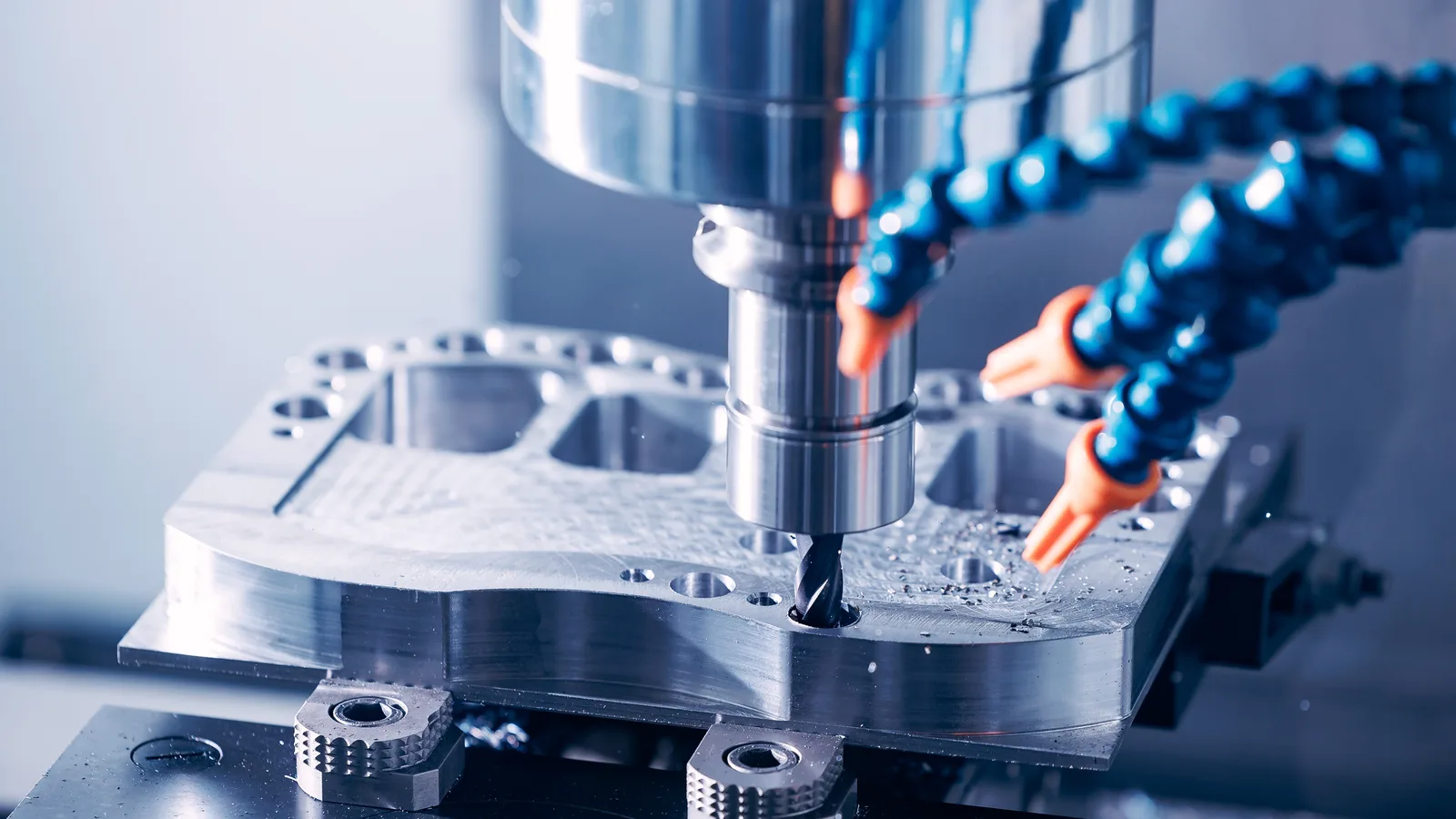
High-hazard manufacturer insurance is coverage for plants whose processes, materials or products sit outside what standard carriers want to write, so it is usually placed with specialty or surplus lines carriers, on narrower terms, after closer underwriting. The coverage lines stay familiar. What changes is who writes them, on what wording, and how much the underwriter asks to see first.
What makes a manufacturer high hazard to an underwriter
High hazard is an underwriting judgment, not a legal category. Each carrier decides what it is willing to write, and a plant declined by a standard underwriter may be routine business for a specialty underwriter.
The judgment usually comes from a few sources. The first is the process: heat, open flame, flammable liquids or finishes, molten metal, combustible dust, and equipment under pressure. A foundry-type operation, a coating and finishing line, a woodworking plant and a shop that welds and grinds all day each bring some version of this. The second is the materials on site and how they are stored and moved. The third is the product itself, especially a part whose failure could injure many people or stop a customer’s production line.
Loss history is the last source, and it can override the others. A plant with an ordinary process and a string of fires or serious injuries will often be treated as high hazard. Our overview of manufacturing insurance describes the general program, and this page deals with what happens when that program gets harder to place.
The plant hazard and the product hazard are separate questions
A high-hazard manufacturer can be hazardous inside the building, outside it, or both, and owners often blur those hazards together. Underwriters do not. They look at the plant and the product as separate questions.
The plant hazard is what can happen on your floor: fire, explosion, and injuries to your crew. It lands on your property coverage and on workers compensation. A wood products plant with fine dust in the rafters is a plant hazard even if the finished goods are harmless.
The product hazard is what your product can do after it ships. It lands on products liability, which sits within or beside general liability, and on recall. A shop with a tidy, sprinklered building can still be a difficult account if it makes a load-bearing or safety-related component. The difference between the products section and the rest of the liability policy is covered in our comparison of products liability and general liability for manufacturers, and the product recall page explains why pulling a product back is usually a separate coverage.
Knowing which hazard drives the problem tells you where to spend effort.
How the insurance market responds
Standard carriers respond to a high-hazard plant by declining it, restricting it, or writing only part of the program. A standard carrier, often called an admitted carrier, generally works from forms and rates that it has filed with state regulators, which leaves it less room to adjust a policy for an unusual risk. When a plant falls outside that carrier’s appetite, the simplest answer for the underwriter is no.
The account then moves to the specialty market. Some specialty carriers are admitted and simply focus on difficult classes. Others are surplus lines carriers, which generally have more freedom over the form they use and the rate they charge. That freedom is the reason they can take on a hazard others will not. Surplus lines coverage is typically placed through a specially licensed surplus lines broker, and your agent works with that broker on your behalf. The National Association of Insurance Commissioners publishes an overview of the surplus lines market that explains where it sits in the industry. For how to judge that partner, see how to pick a specialist insurance broker.
The practical consequence is that wording varies more. A surplus lines policy may look like a standard form with endorsements, or it may be the carrier’s own form throughout. Either way it has to be read, not assumed.
It is also common for the program to split, with a standard carrier keeping the property and declining the liability, leaving the rest to be placed elsewhere.
What makes the plant high hazard
Process: heat, flame, dust, pressure
Materials stored and handled on site
Product and where it ends up
Loss history
Standard market
Declines the account
Restricts the hazard by endorsement
Or writes only part of the program
Specialty and surplus lines market
Writes the hazard on its own form
Narrower terms and conditions
Closer underwriting and inspection
What moves the answer
Controls that are in place and maintained
Records that prove it
A complete and honest submission
What narrower terms look like in the policy
Narrower terms usually mean the carrier takes the hazard but hands part of it back to you. The most common form is a higher deductible or self-insured retention, so the plant carries more of each loss before the policy responds.
Exclusions aimed at the specific hazard are the next thing to look for. A liability form might exclude a named product line or a particular end use. A property form might restrict a process or a cause of loss. Sublimits work the same way more quietly: the peril is covered, but only up to a smaller amount than the policy limit.
Protective-safeguard conditions deserve the closest read. These tie coverage to sprinklers, suppression systems, alarms or similar protections being in service and maintained. On many forms, a loss that happens while a listed safeguard is impaired can be reduced or denied, depending on the wording. If your policy carries such a condition, the person who shuts a valve for maintenance needs to know it exists.
Carriers may also require inspections and written recommendations. Larger programs are often layered, with several carriers each taking a share of the limit and an umbrella or excess policy above. Layers do not always follow the same wording, so check each for gaps.
What makes an underwriter willing to write the plant
Underwriters say yes to plants that can show their controls, not plants that merely describe them. A specialty underwriter expects hazard. What they want is evidence that it is managed.
On the plant side, that evidence usually includes:
- Housekeeping and dust control, including collection systems and cleaning schedules. OSHA maintains an overview of combustible dust as an explosion hazard that is useful background for any plant that generates fine particles.
- Suppression and detection that fit the process, with test and service records.
- Hot-work controls for welding, cutting and grinding, which matter in metal fabrication and well beyond it.
- Storage and handling of flammable liquids and finishes.
- Maintenance records for ovens, presses and collectors.
On the product side, underwriters look for quality control and traceability: inspection records, material certificates, and the ability to tie a lot of parts to a production run. Our article on a documented quality system for machine shops describes what that involves, and plastics processors face similar questions, covered in our guide to insurance for plastic manufacturers.
The submission matters as much as the plant. Send loss runs with a short explanation of each loss: what happened and what changed afterward. An unexplained loss invites the worst assumption. Lead time matters too, because specialty underwriters work through questions and inspections that cannot be compressed into the last days before renewal.
Real-World Scenario: A wood components plant receives a non-renewal notice after a carrier inspection notes dust buildup on overhead beams and a collector that has not been serviced. The owner’s first instinct is to shop the account quickly and say little. Instead, the plant cleans the overheads, services the collector, writes down a cleaning schedule and photographs the result. The agent sends that record with the loss runs to several specialty underwriters. The plant still ends up on a surplus lines form with a protective-safeguard condition, but it has more than a single offer to compare.
Why understating the operation backfires
Leaving a process or a product off the application does not remove the hazard. It removes the coverage certainty. An application is a set of representations the carrier relies on, and a carrier that learns a material fact was misstated or omitted may, depending on the policy wording and the facts, dispute a claim or seek to rescind the policy.
The problem tends to surface at the worst moment. After a fire or a product claim, an adjuster walks the floor, reads the invoices and learns what the plant really does. If the paint booth, the heat-treating oven or the safety-related product line was never disclosed, the claim becomes a dispute about the application.
A complete description may draw a decline from some markets. That is still the better outcome, because the policy you end up with was written for the plant you actually run.
Workers compensation runs on its own track
Workers compensation for a high-hazard plant is usually underwritten separately from property and liability, often by a different carrier. The mechanics are also different. It is commonly governed by state systems, priced on payroll and classification, and adjusted by the plant’s own injury record.
That means a plant can be easy to place for property and hard for workers compensation, or the reverse. Underwriters on this line look at injury frequency, guarding, training, and how quickly injured workers return. Your agent can explain what options exist where you operate if voluntary carriers decline.
Our workers compensation page covers the structure, and a separate article covers reducing manufacturing workers compensation costs.
What to do after a non-renewal or a declined quote
The first step after a non-renewal is to find out why, in writing if you can. The reason tells you whether the issue is the plant, the product, the losses, or simply a carrier leaving the class.
From there, start early, because specialty placements take longer and running out of time narrows your options more than the hazard does. Fix what can be fixed before the submission goes out, and document it. Give the full picture: every process, every product line, every location. Expect questions, supplemental applications and possibly an inspection. Work with an agency that has access to specialty and surplus lines markets, since those underwriters are generally reached through agents and brokers who place this kind of business.
Compare offers on wording first and price second, with attention to exclusions, safeguard conditions and deductibles.
If your plant has been non-renewed or you cannot find a quote, send us your details: what you make, the processes you run, your controls, and your loss history. We will tell you plainly which markets are likely to look at it and what they will want to see.