

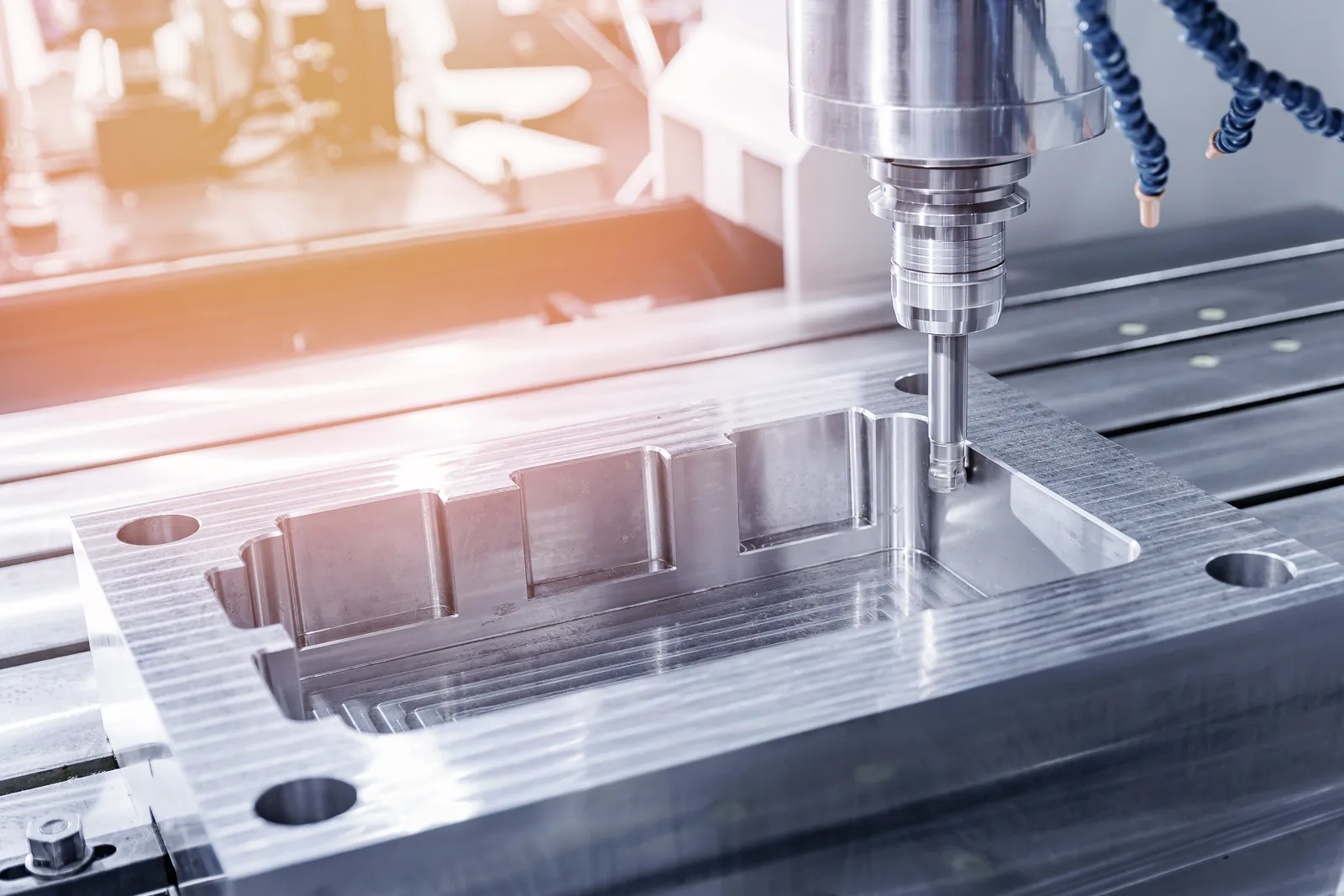
Insurance for plastic manufacturers usually comes down to a handful of reviews: customer-owned molds in your care, resin and equipment as property, parts that end up in another company’s product, supplier records, press-room injuries, and recall. This page is about making products from plastic, not making the materials.
Which plastics operations this covers
The reviews here apply to shops that turn plastic into parts: injection molders, extruders, thermoformers, and shops that machine plastic stock into finished components.
The page does not cover companies that produce the raw materials, and it says nothing about chemical production. If a business makes resin, that is a different conversation, with different markets. For a shop that buys material and makes parts, the broader picture of how we place manufacturing insurance is the right place to begin, and this page narrows it to the plastics floor.
Describe the processes on the application as they run, because the carrier rates the operation it reads, and a description that leaves out machining or assembly invites an argument at claim time.
Molds and tooling that belong to your customer
Customer-owned molds are the plainest gap in a plastics program. A customer pays for a mold, ships it to your plant, and you run it. The mold is the customer’s property, it is in your care, and it can be worth a great deal. Many general liability forms limit coverage for property in your care, custody or control, so damage to that mold by fire, a press mishap or a handling error may not be a liability claim the policy pays.
The answer is usually found elsewhere. Some shops extend their property coverage to tooling that belongs to others, sometimes through a bailee-type provision, and some customers insure their own tooling and expect a certificate from you showing where it sits. Which route applies depends on the policy and on the supply agreement, and the agreement may assign responsibility in a way you did not expect. Read the clause that covers tooling before the mold ships, not after a loss.
Keep a list of every customer mold on site, with its owner and condition on arrival. A claim over a damaged mold turns on whether you can show what was there. Also ask how replacement is valued. A mold has no market price, and the cost to rebuild it, including the time the customer loses, is a different number from what a form might pay. Tooling has its own set of questions, covered in our look at tool and die shop insurance, and many of them carry over to a molder with a tool room.
Resin, heat, and the fire question
Resin in your building is stock, and that is how the property policy sees it. It sits in bags, boxes and silos until it is dried, melted and formed, and a fire involving it is a property loss like any other, with the questions that come with it: how the stock is valued, what happens to work in process, and how the building and machinery are covered. The mechanics are plain, and the exposures are heat, presses, and a lot of combustible material under a single roof.
Ask your agent how each category of property is valued. Stock can be valued at cost or at selling price on some forms, finished goods may be treated differently from raw material, and machinery may be on replacement cost or actual cash value depending on the policy. Our comparison of replacement cost and actual cash value explains why that choice changes what a claim pays. Your property coverage is where those answers live, and the limit should reflect what it would take to get the shop running again, not the book value of an old press.
A stopped press is more than a damaged item, so discuss downtime and replacement lead time alongside the limit. For the machines themselves, machine and equipment coverage is the page that describes how that side is structured.
Material in
Supplied resin as stock
Certificates and lot records
Customer-owned mold on loan
Care, custody or control
Press room
Heat, presses and fire
Equipment breakdown
Crew injuries and class
Stock and machine valuation
Part out
Part inside a customer’s product
Products-completed operations
Downstream recall
Contract insurance terms
Parts that end up in another company’s product
A molded part usually leaves your plant and becomes a component of something a different company sells. That is where products-completed operations comes in: the part of general liability that responds to injury or damage that happens away from your premises after the work is finished and handed over. If a bracket cracks or a housing fails, the claim travels back along the supply chain to the company that made the part.
How that plays out depends on the policy. Forms differ on how they treat a component, on who is named as an additional insured, and on the limits and aggregates that apply. Our explanation of products-completed operations describes the mechanics, and your general liability policy is where the wording sits.
Carriers ask what the part does. A cosmetic cover and a part that holds something, seals something or carries a load are not the same risk, and the underwriter will want to know where your parts end up and who buys them. Answer plainly, including which end markets you decline, and keep copies of the specifications and drawings you worked to. When the customer designs the part and you mold it to print, that fact matters, but it does not by itself remove you from a claim, so do not rely on it without checking the contract and the policy.
Real-World Scenario: A molder runs a customer-owned mold for a housing that goes into a finished appliance. A latent defect shows up after the appliance reaches the market, and the appliance maker demands to know which lot of resin and which production run the failed housing came from. The shop finds its certificates in a cabinet, its run sheets partly complete, and a supply agreement that never said who insured the mold. The claim moves slowly because the records are thin, and the conversation turns to what the policy says, not what the shop assumed.
Material certificates and the supplier chain
Underwriters ask about resin suppliers because traceability is how a claim gets investigated. If a part fails, the first questions are what material it was made from, who supplied it and whether the certificate that came with the lot matches what was run. A shop that can tie a lot of material to a lot of parts can answer those questions. A shop that cannot is asking the carrier to take the answers on trust.
Keep the certificates that arrive with each shipment and store them where the production team can find them. Record which lot went into which job, and keep the record for as long as the parts could still be in use. This is ordinary housekeeping, and it helps in more than a single way. It gives the carrier a reason to believe the shop controls its inputs, and it helps you pursue a supplier if the material, not the molding, caused the failure.
Contracts add a layer: a customer may require approved suppliers or named material sources, and missing that obligation can become a problem separate from the loss. Our article on additional insured requirements describes what customers commonly ask manufacturers to carry, and it is worth reading before you sign a supply agreement.
Press-room injuries and the crew
A press room has heat, moving platens, hydraulics and a floor crew that handles hot parts and heavy tooling. Workers compensation responds to employee injuries, and the shop’s payroll is placed into a classification by what the business does. The classification mechanics are the same as at any manufacturer: the carrier looks at your operations, assigns payroll to a class, and rates it. The description of the work, the mix of molding, machining and assembly, and how payroll is split between them are the inputs, and the policy audit corrects errors.
A shop that molds and also runs a tool room or a machining cell may find payroll placed into more than a single class, depending on the rating rules that apply in your state. Your agent can tell you how that works where you operate. Our workers compensation page explains the basic structure, and it is worth reading before the application is filled in, not after the audit.
Underwriters also ask about guarding, lockout routines, operator training and how incidents are recorded. Say what you actually do; a modest, true description beats a polished account that fails when an adjuster asks to see the paperwork.
When a molded part is recalled downstream
A recall begins with the finished product, not your plant. If your customer pulls an assembled product off the market because a molded part is suspected, the costs of notifying buyers, retrieving units and replacing them can be large, and many general liability forms exclude that cost. Product liability responds to injury or damage, and recall is a separate matter handled by separate coverage.
Whether a plastics shop needs recall coverage depends on who buys your parts and what the contracts say. Some customers require it, some carry their own, and some leave it to be argued after the event. Our page on product recall coverage lays out how the line is structured, and the articles on what product recall insurance covers and how recall claims are triggered go through the details, so this page will not repeat them.
Equipment breakdown belongs in the same review for a different reason. Presses, chillers, dryers and controls can fail from mechanical or electrical causes, and a basic property form may not respond. Our explanation of what equipment breakdown covers shows the difference, and a shop with heavy dependence on a few machines should read it with the property policy open.
When the review is finished, send us your details: the processes you run, the molds that belong to customers, where your parts end up, and the contracts that ask for coverage. We use that picture to build the program, and the policy language decides what responds.