

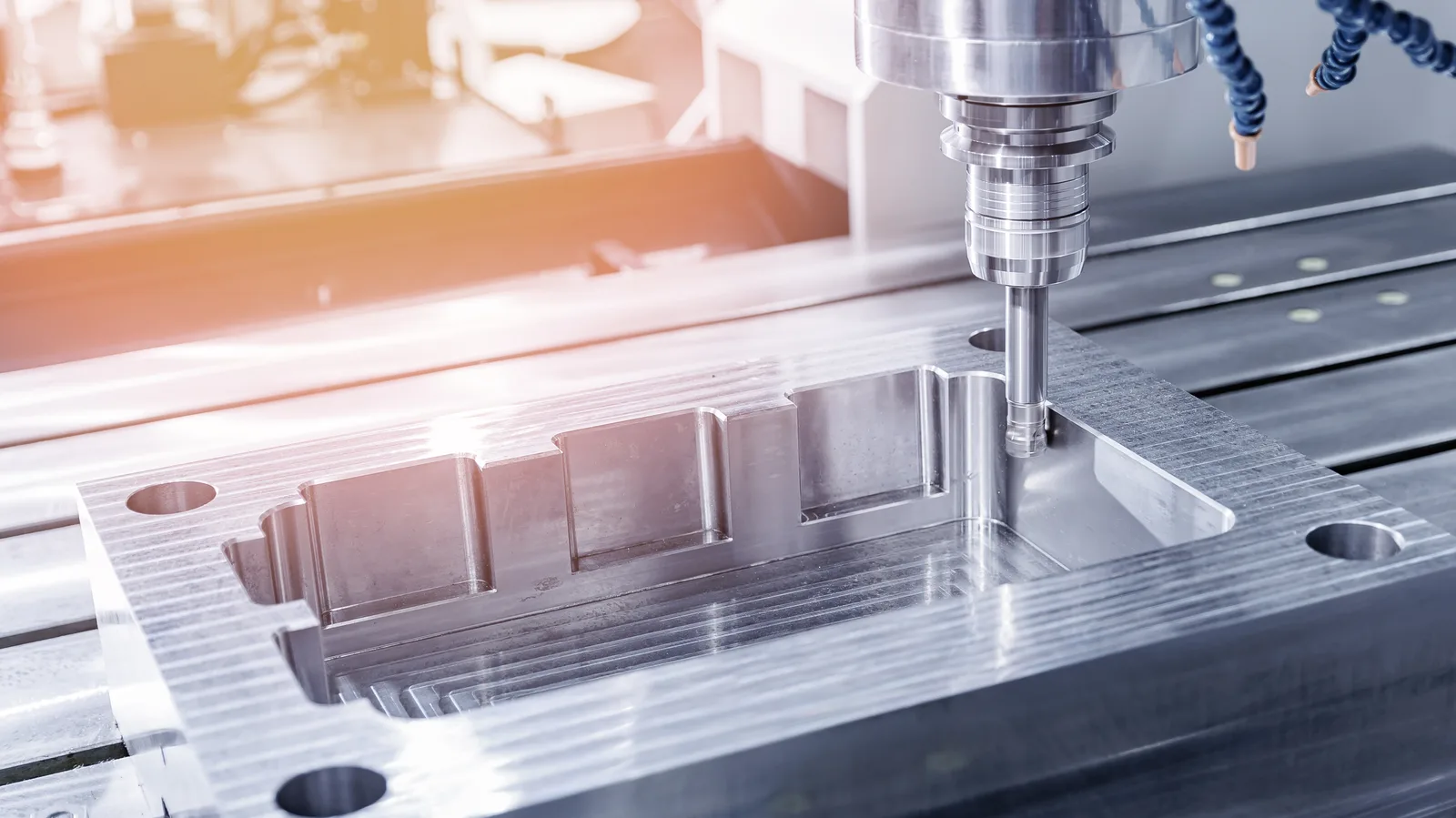
Tool and die shop insurance has to cover more than the building and the machines. It also reaches customers’ tooling sitting in your shop, dies and fixtures moving by truck, and the parts your tools produce after they leave. The program works best when it follows where a tool is at each stage of its life.
Customer-owned tooling in your care
Customer-owned tooling is the exposure shops overlook most often, and it is usually not covered the way owners assume. A customer sends a die or a fixture for repair, modification, or tryout, and for as long as it sits in your shop it is in your care, custody, or control. Many general liability forms limit coverage for property in that position, so a fire, a dropped die, or a crane mishap damaging the customer’s tool can fall outside the liability policy even when the fault is yours. Michigan shops can read our guide to Michigan tool and die business insurance.
Your own property policy has a similar edge. It usually insures your property first, and covering property that belongs to others often takes a specific extension or a separate form. Ask which applies to a customer’s die, how the limit is set, and whether the policy values the tool at replacement cost or something lower. Our guide to property coverage explains the building-and-contents side of that question.
Customer contracts often state who insures the tool, who values it, and what happens if it is damaged. Read that language before the tool crosses your dock, not after, and keep a simple log that shows what is in the building, who owns it, and what condition it arrived in. That record is the first thing a carrier asks for after a loss.
On the liability side, general liability is aimed at injury and damage to third parties, and it draws a line between property in your care and property damaged elsewhere. A shop with a heavy customer-tooling inventory should have an agent confirm which side of that line each tool lands on.
Dies and fixtures on the road
Dies and fixtures spend a surprising amount of their life on trucks. They go to the customer for tryout, come back for rework, move between plants, and sometimes travel to a third-party plater or heat treater. A shop’s building and contents policy generally does not follow property off the premises in a meaningful way, and a die in transit is usually handled outside it.
Several arrangements are common, and each leaves a different gap. A transit or inland marine form can cover tooling you ship or receive. The carrier that hauls the load may offer limited liability for the freight, which often falls short of the replacement value of a finished die. Or the customer may insure the tool in transit under its own program. Which of these applies depends on who arranges the shipment, who owns the tool at the time, and what the purchase agreement says.
Ask direct questions. Who insures the die from your dock to the customer’s press? Does the limit match the value of the heaviest die you ship? Is the tool covered during loading, unloading, and overnight stops, or only while the truck is moving?
If your own truck hauls a customer’s die, the auto policy and the transit coverage both come into play. Put the shipping method on the application so the carrier knows how your tooling really moves.
The machines that build the tool
The machines behind the work are the shop’s earning capacity. Wire and sinker EDM, jig grinders, large vertical mills, and the CMM that proves the tool is right are expensive, precisely adjusted, and hard to replace quickly. Most of that equipment is covered under your property policy for fire and similar perils, and our page on machine and equipment coverage walks through how the line is built.
The harder question is the breakdown. A spindle failure, a controller fault, or an electrical surge is not the same kind of loss as a fire, and a standard property form may not respond to it. Equipment breakdown coverage is designed for that gap, and our explainer on what equipment breakdown covers shows how it differs from ordinary property insurance. Ask whether your program includes it, and whether it covers the precision components that matter most in a toolroom.
Tell your agent how the machines are valued and which of them the shop could not work without. The answer shapes the limits and the income question covered later.
Parts stamped or molded from your tooling
A tool and die shop usually does not sell parts, but its tools make them. When a stamped bracket cracks or a molded housing warps and someone is hurt, the claim often reaches back toward whoever built the tool. Who answers depends on who designed it, who approved it, and who ran it.
If the shop builds to a customer’s print and the customer signs off on the tool, the customer commonly carries more of the design risk. If the shop designs the tool, selects the steel and the heat treatment, and specifies the process, more of the risk sits with the shop. The contract matters as much as the facts: indemnity language, warranty terms, and any approval or acceptance clause shape who pays. This is where products and completed operations coverage earns its place, since it responds to injury or damage after the work has left your hands.
A tooling shop that also runs short production runs has a products exposure for parts it ships, not only for the tool. If the design advice you give is a large part of what customers buy, ask how a claim built on that advice would be handled. A separate professional liability form is often written for it, and our explanation of errors and omissions for manufacturers lays out how that line differs from general liability. Shops serving metal stamping and molding customers should also read about metal manufacturing insurance and insurance for plastic manufacturers, which cover the customer side of the same tooling.
Built or held in your shop
Customer-owned tooling in your care
The machines that cut and measure it
Tryout and rework
A backlog if a machine stops
In transit
Dies and fixtures on the road
Who arranges the shipment
Loading, unloading, and overnight stops
Whose policy applies
In the customer’s production
Parts made from your tooling
Design and approval roles
First-article sign-off
Claims after delivery
Tryout, rework, and first-article responsibility
Tryout is where a tool becomes a product, and it is where responsibility gets muddy. The shop builds the die, runs sample parts, adjusts the tool, and sends first articles to the customer for approval. Each of those steps raises a different question: who ran the press, whose material was used, who measured the part, and who signed off.
Rework adds more of the same. When parts drift out of tolerance and the die comes back, the cause may be wear, a material change, a press setup, or the original build, and the answer may decide who pays. Insurance generally does not cover the cost of redoing your own faulty work. A general liability policy tends to exclude the cost to repair or replace your own product or work, so a tool that simply does not hold tolerance is usually a business problem before it is a claim.
What insurance can address is the damage that follows. If a bad first article reaches a customer’s line and causes scrap, downtime, or injury, the policy conversation turns to liability, products coverage, and sometimes errors and omissions. Keep tryout records, approval signatures, and inspection reports with the job file. When the question comes later, the file answers it.
A signed approval that names what the customer checked is worth far more in a dispute than a verbal go-ahead.
Real-World Scenario: A stamping customer sends a progressive die to a tool and die shop for modification, and the shop schedules the work around its wire EDM. A shop truck delivers the tool back for tryout, and a few weeks later parts from the die are rejected on the customer’s line. During the same stretch, the wire EDM fails and the shop’s other jobs stall behind it. The shop’s owner finds that each of these problems sits under a different part of the program, and that the customer’s contract answered some questions the policy never did.
A tooling backlog waiting on a single machine
A toolroom often routes many jobs through a few critical machines, so a breakdown can freeze an entire backlog. A wire EDM or a large mill that stops for weeks holds up every program waiting behind it, and customers hold their own launch dates.
Business income coverage is the part of the program meant for lost income after a covered physical loss at your location. Many policies apply a waiting period before it responds, and most require damage from a covered cause. A mechanical breakdown may qualify only if the policy includes equipment breakdown and extends the income coverage to it. Our guide to business interruption for manufacturers explains how the income side works and what a carrier asks you to show.
Also ask about extra expense, such as renting time on another shop’s machine or paying overtime to catch up. Whether the policy pays for it depends on the form. Keep a short list of the machines the shop cannot do without, and share it with your agent when the program is built.
Tool and die work in Michigan and Florida
Shops searching for Michigan tool and die business insurance or Florida tool and die manufacturing insurance are looking for the same core coverages described above. Our Michigan and Florida pages set out the state context for each location, and your agent can confirm how a policy applies where you operate.
Customer contracts travel with the work, and a tooling shop frequently serves customers in other states. Describe where the tooling is built, where it ships, and where it ends up. For a broader view of how we build programs for toolrooms and job shops, see our page on programs for machine shops and toolrooms, which also covers the machine and tooling shop insurance questions in more detail.
When you are ready to compare, tell us about your shop: the tooling you build, whether customers own it, how it ships, and the machines the toolroom depends on. We build the program from that picture, and the policy wording decides what responds.