States we serve · Nebraska
Machine Shop and Manufacturing Insurance in Nebraska
Coverage for Nebraska equipment builders, steel and precision component makers, medical-products and food plants, and the machine shops that serve them statewide.
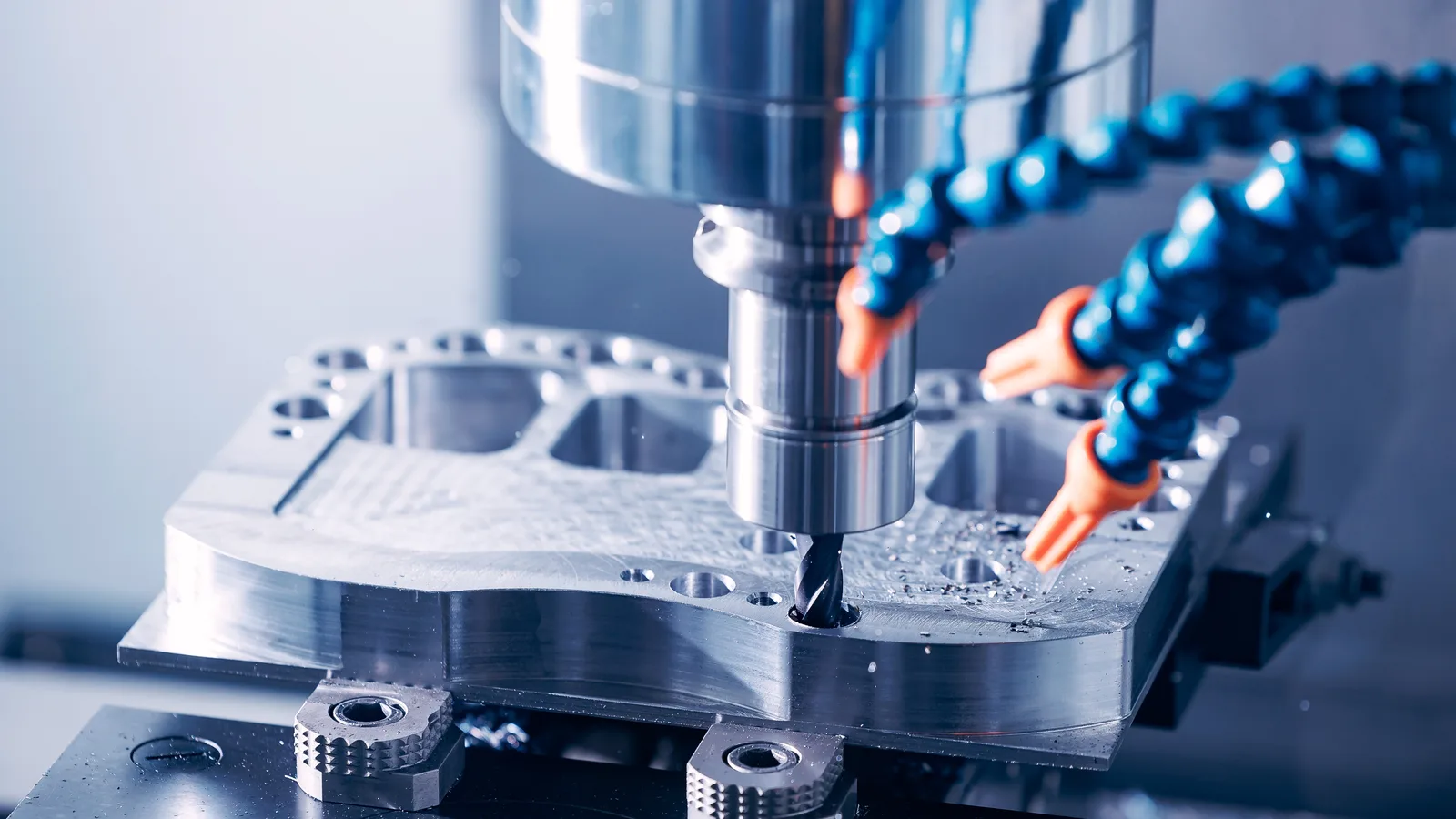

Our Nebraska clients are machine shops, fabricators, and manufacturers of many kinds: equipment builders, steel and metals producers, precision component makers, medical-products manufacturers, food processors, and the contract shops, welders, and machinists who support them. Their products often travel far beyond the state line.
Nebraska law contributes four rules that shape those programs. Private employers fall under federal OSHA jurisdiction, with an area office in Omaha, because Nebraska does not operate its own plan. Product liability actions must generally be commenced within four years after the death, injury, or damage under Neb. Rev. Stat. § 25-224(1). A ten-year repose period in § 25-224(2)(a)(i) applies to products manufactured in Nebraska, with a different rule for products made elsewhere. And strict liability claims generally cannot proceed against a seller or lessor that is not also a manufacturer. Air construction permits come from the Department of Water, Energy, and Environment. Each rule gets its own section.
What goes into a Nebraska quote
An underwriter pricing a Nebraska account asks for payroll by class, the values of machinery, tooling, buildings, and stock, where your products end up, and your claims history. The end market decides most of the liability picture: a machine working in the field, a steel bar in a structure, a syringe in a clinic, and a packaged poultry product each carry a very different kind of products exposure, because each can fail in a very different way.
Nebraska specifics then shape the result. Where a product was manufactured decides which repose rule applies to it, which matters for a company with plants in more than one state. The four-year limitation period gives injured parties a long window. The seller rule in § 25-21,181 pushes strict liability claims toward the manufacturer. A manufacturer that runs a single plant concentrates its property and business income exposure in one site. And your federal OSHA inspection history is read on both comp and liability. We price from your operation rather than a rate schedule; our guide to machine shop and manufacturing insurance costs explains the drivers every state shares.
Single-site concentration deserves a closer look. When a Nebraska plant is the only place a product is made, a fire, tornado, or major breakdown can stop all output at once, and the time to rebuild a specialized line can be long. We size business income and extra expense coverage to a realistic restoration period for your own equipment, and we consider contingent business income for key suppliers and customers whose own shutdown could stop your work. Weather belongs in that analysis as well: a plant that could lose its roof or power for weeks should know how long its policy will pay continuing expenses, and whether utility interruption off the premises is covered at all.
Nebraska manufacturers by location, not by list
No single state source we have verified lists Nebraska’s manufacturing sectors, so we describe the state through its verified locations instead. In Lincoln, Timpte operates a Lincoln Manufacturing Center. In Grand Island, Hornady Manufacturing built at the site of the former Cornhusker Army Ammunition Plant. In Norfolk, Nucor Steel has invested in an engineered steel bar upgrade. In Columbus, BD Medical has expanded manufacturing of its syringe products. In Fremont, Lincoln Premium Poultry operates a processing facility. And the Omaha region promotes industrial sites with access to highways, rail lines, and the Missouri River.
Those locations point to very different programs. Equipment builders carry long-tail products exposure in the field and heavy handling on the floor, with equipment breakdown for welding and forming lines. Steel producers carry high heat, heavy handling, and large equipment values. Precision component makers carry products exposure with little room for error, and their customers set strict insurance terms. Medical-products makers and food processors face recall exposure that general liability does not address, which is where product recall coverage comes in.
Design responsibility runs through several of these. A product design, a steel specification, or a machine configuration that performs safely but falls short of what the customer was promised creates a financial loss that manufacturers errors and omissions can cover. Contract shops supplying any of these manufacturers inherit their requirements, so we start with who your customers are.
Federal OSHA and the Omaha Area Office
Nebraska is under federal OSHA jurisdiction, which covers most private sector workers in the state; Nebraska does not run an OSHA-approved plan of its own. The agency’s Omaha Area Office handles Nebraska, so a private shop or plant here deals with federal inspectors and federal standards.
Two federal standards anchor most inspections on a machine or fabrication floor: 29 CFR 1910.212 on machine guarding and 29 CFR 1910.147 on hazardous-energy control during service and maintenance. They apply equally to welding and fabrication lines, steel rolling equipment, precision machining cells, and poultry processing lines. Because guarding and lockout failures drive the most serious injuries, our Nebraska submissions carry your written programs and any inspection record.
Private-market comp in Nebraska
Nebraska workers compensation is written by private carriers in a competitive market. The premium for a given plant is driven by classification and loss history. Welders and fabricators, steel workers, machinists, poultry processing workers, assemblers, and office staff are rated in separate classes, and payroll assigned to the wrong class is adjusted when the policy is audited.
The employers liability section of the comp policy responds to lawsuits that grow out of workplace injuries, and we align it with general liability. The workers compensation page covers classification and audits, and our article on reducing comp costs lists the practices underwriters credit. Nebraska companies with staff in Iowa, Kansas, Missouri, or Colorado should report that payroll by state.
§ 25-224 and the Nebraska seller rule
Nebraska sets its product claim deadlines in one section. Neb. Rev. Stat. § 25-224(1) provides that all product liability actions, except one governed by subsection (5), shall be commenced within four years after the date on which the death, injury, or damage complained of occurs. Section 25-224(2)(a)(i) adds a repose period of ten years, and its qualifier matters: it applies to products manufactured in Nebraska, while § 25-224(2)(a)(ii) sets a different rule for products manufactured elsewhere.
Nebraska also limits strict liability claims against sellers. Under Neb. Rev. Stat. § 25-21,181, “No product liability action based on the doctrine of strict liability in tort shall be commenced or maintained against any seller or lessor of a product which is alleged to contain or possess a defective condition unreasonably dangerous to the buyer, user, or consumer unless the seller or lessor is also the manufacturer of the product or the part thereof claimed to be defective.” Dealers and lessors are generally outside those claims, which leaves the manufacturer, including the maker of a defective part, as the defendant.
Several practical points follow. A manufacturer with plants inside and outside Nebraska should know where each product line is made, because the repose rule depends on it. Products-completed operations coverage should stay continuous, since the four-year period runs from the injury and products can be in service long before that. On policy form, occurrence coverage answers for injuries during the policy period whenever they are claimed, while claims-made coverage answers for claims first made during the period, back to a retroactive date, so a carrier change or sale calls for tail coverage. Our comparison of occurrence and claims-made forms walks through the choice, and our note on additional-insured coverage covers how dealers and lessors are protected under your policy.
DWEE air construction permits
Air construction permits for Nebraska manufacturers come from the Nebraska Department of Water, Energy, and Environment (DWEE) through its Air Construction Permit Program, with a separate air operating permit program for sources that need one. Paint and coating lines, galvanizing and finishing, steel melting and heating, boilers, and food processing equipment are the usual reasons a Nebraska plant needs to check before building or modifying equipment.
Pollution exposure sits outside general liability and property, which exclude most pollution. A release from a finishing line, a spill to a drain, or an emissions event from your own process generally calls for a dedicated pollution or environmental policy. Underwriters for manufacturing insurance accounts with finishing or melting operations will ask about DWEE permits, and a clear record helps the review.
The four Nebraska rules on this page, and the decision each drives, appear in the chart below.
Most Nebraska programs also carry commercial property for buildings, machinery, and stock, valued to reflect a single-site plant’s importance, and an umbrella for the higher limits that equipment, steel, and medical-products customers often require.
Six Nebraska locations and their program effect
We write Nebraska shops and plants across the state. Each of these six locations comes with a verified local feature that should be reflected in the program.
Omaha
The Omaha region promotes shovel-ready industrial sites with direct access to highways, rail lines, and the Missouri River. Manufacturers shipping heavy goods by rail or barge need cargo terms that follow each load and define when risk of loss passes.
Lincoln
Timpte opened a Lincoln Manufacturing Center. Equipment builders in Lincoln carry long-tail products exposure in the field, so continuous products coverage and dealer vendors endorsements belong at the center of the program.
Grand Island
Hornady Manufacturing built at the site of Grand Island’s former Cornhusker Army Ammunition Plant. A manufacturer on a former military industrial site should look at pollution coverage for conditions it did not create and at how its purchase terms allocate them.
Norfolk
Nucor Steel has invested in an engineered steel bar upgrade in Norfolk. Machine shops and contractors working inside a steel plant need liability terms that match the owner’s contract, including additional-insured and waiver requirements.
Columbus
BD Medical has expanded manufacturing of its syringe products in Columbus. Suppliers to medical-products manufacturing should expect quality and insurance requirements that flow down from the customer, including recall responsibility.
Fremont
Lincoln Premium Poultry operates a processing facility in the Fremont region. Shops that build or maintain processing equipment for it should check coverage for work on a customer’s line and for contamination claims tied to that work.
Nebraska is among the 48 states our license covers. Companies with operations across state lines can also read our pages for Iowa, Kansas, Missouri, Colorado, South Dakota, and Wyoming, or browse the full list.
Fabricating for others or building your own line
A Nebraska company’s balance between contract work and its own products decides where the program carries its weight. Shops that machine parts to a customer’s drawing should start with our page on machine shop insurance, which centers on equipment, tooling, and floor exposures. Shops whose main work is welding or fabrication should use our page on metal fabrication and welding shop insurance. Companies that design and sell equipment or other products under their own name should start with our page on manufacturing insurance, where products liability, recall, and errors and omissions carry more of the load. A company that does both is written as one program, with each side rated on its own figures. For a job shop that has begun selling a product of its own, the change deserves a fresh look at the whole program, because the new line brings design, labeling, and recall questions that contract work never raised.
Nebraska shop and plant insurance FAQs
Who inspects private workplaces in Nebraska?
Federal OSHA, working out of its Omaha Area Office, since Nebraska has no plan of its own for private employers. Inspections follow the federal standards on machine guarding and on locking out energy during maintenance. Carriers pricing Nebraska comp and liability look for written programs covering both, along with any citation history.
What is the time limit for a Nebraska product liability action?
Under Neb. Rev. Stat. § 25-224(1), product liability actions, except one governed by subsection (5), must be commenced within four years after the date of the death, injury, or damage. Because products can be in use for years before an injury, manufacturers should keep products-completed operations coverage in force continuously.
Does the Nebraska ten-year repose period apply to every product?
No. Neb. Rev. Stat. § 25-224(2)(a)(i) sets a ten-year period for products manufactured in Nebraska, and § 25-224(2)(a)(ii) sets a different rule for products manufactured elsewhere. Companies with plants in more than one state should know where each product line is made, because that decides which rule applies to a claim.
Can a Nebraska dealer be held strictly liable for equipment it sold?
Generally not, unless it is also the manufacturer. Neb. Rev. Stat. § 25-21,181 bars strict liability product actions against a seller or lessor unless it is also the manufacturer of the product or the defective part. That leaves manufacturers, including component makers, as the usual defendants, so their products-completed operations limits matter most.
Does a new paint line in Nebraska need a DWEE permit?
It may. The Department of Water, Energy, and Environment runs the Air Construction Permit Program, and paint lines, galvanizing, boilers, and melting equipment are common triggers. Check before building or modifying equipment. Since general liability and property forms exclude most pollution, a release from that line also needs its own pollution policy.
Do Nebraska manufacturers buy comp from private carriers?
Yes. Nebraska runs a competitive comp market, so private carriers write it, and the price depends on classification and your claims history. We check that welders, steel workers, machinists, poultry processing workers, assemblers, and office staff are each classed correctly, and we coordinate employers liability with the general liability program.
Start a Nebraska manufacturing or fabrication quote
Tell us what your Nebraska operation builds, where it is made, and who buys it, and we will take it to carriers that write your class.