
States we serve · Oregon
Machine Shop and Manufacturing Insurance in Oregon
For Oregon semiconductor and electronics companies, forest and wood products manufacturers, food and beverage producers, and the precision shops that supply them.
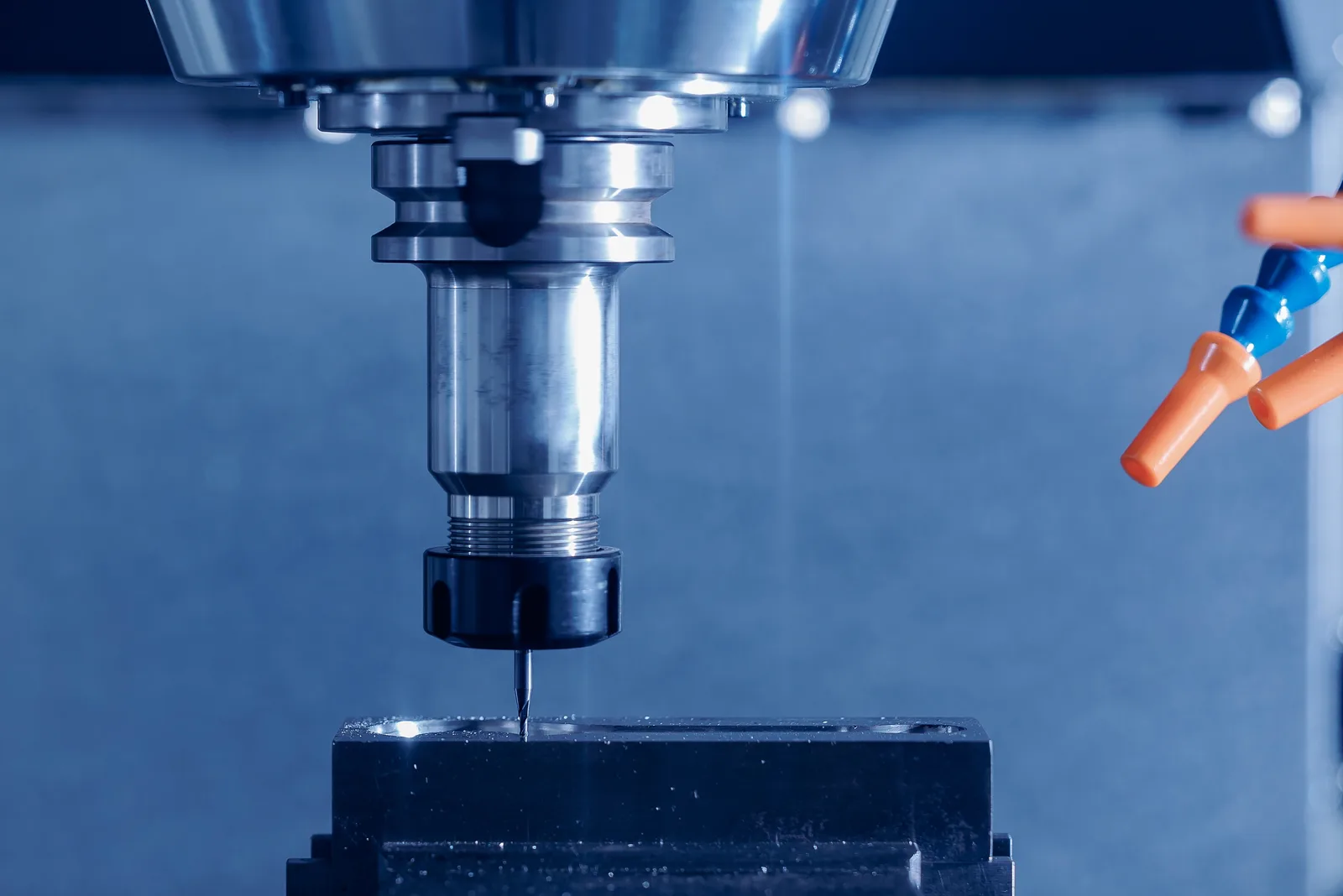

Oregon clients of ours include semiconductor fabs’ suppliers and electronics manufacturers, forest and wood products companies, food and beverage producers, and the machine shops, sheet metal houses, and fabricators that serve them. The common thread is precision under pressure: tight tolerances for chip-industry customers, heavy machinery in the mills, and federal food rules on the processing floor.
Oregon law adds four fixed points. Private workplaces are covered by a State Plan run by Oregon OSHA, part of the Department of Consumer and Business Services. ORS 30.905(1) sets two years for a product liability action, counted from discovery of the injury and its causal link to the product. ORS 30.905(2) sets a ten-year repose measured from first purchase, subject to a qualifier explained below. And the Oregon Department of Environmental Quality issues Air Contaminant Discharge Permits.
How Oregon accounts are rated
An underwriter starts with payroll by class, the value of machinery, tooling, buildings, and stock, the markets your products reach, and a record of losses over recent years. What your product does in the world carries most of the liability rating. A chamber component for a fab tool, a glued-laminated beam, a canned or bottled food product, and a machined bracket for a consumer product each point toward a different claim profile.
Oregon specifics then adjust the picture. Semiconductor customers expect cleanliness, traceability, and quality systems and frequently audit their suppliers. Wood products operations run saws, planers, chippers, and dryers, with guarding and dust exposures that comp and property underwriters examine closely. Food and beverage producers carry FDA obligations that make recall coverage central. The ten-year repose, with its qualifier, gives some structure to the tail of products exposure. And Oregon OSHA inspection history weighs in both comp and liability pricing. We build the price from your actual operation, not a rate sheet; our guide to machine shop and manufacturing insurance costs explains the general factors.
Combustible dust deserves its own mention for Oregon wood products and some food operations. Sawdust, sanding dust, and certain food powders can burn or explode when they accumulate or are suspended in the air, and property underwriters will ask about collection systems, housekeeping, spark detection, and separation of dust-producing processes. Documented controls change the terms a carrier offers, and we put them in the submission rather than waiting for an inspection report to raise the question.
Semiconductors, wood products, food and beverage
Business Oregon identifies semiconductors and electronics, forest and wood products, and food and beverage manufacturing among the state’s targeted industry specialties. Those three sectors pull a program in three different directions.
Semiconductor and electronics suppliers concentrate value in process equipment, cleanrooms, and customer-owned tooling, so equipment breakdown and business income limits should track actual lead times for replacement tools. Chip-industry supply agreements often ask for specific limits, additional-insured status, and waivers, and a component that meets its drawing yet fails in a customer’s process can create a financial loss rather than an injury, which falls to manufacturers errors and omissions.
Forest and wood products manufacturers work with high-hazard machinery, large inventories of combustible material, and in many cases long supply chains for logs and finished goods. Property values, dust and fire controls, and transit coverage for material moving between sites are central. Engineered wood and structural components also carry products exposure for as long as claims remain possible under ORS 30.905, which is why the repose qualifier matters to these makers in particular.
Oregon food and beverage makers answer to federal regulation as well. Facilities that manufacture or process food register under 21 CFR 1.225 (Part 1, Subpart H), and most follow the current good manufacturing practice, hazard analysis, and risk-based preventive controls rule in 21 CFR Part 117. A contamination or labeling event can require pulling product from distribution, so product recall coverage should sit beside products liability for processors, brewers, packers, and the shops that build and service their equipment.
Oregon OSHA and the State Plan
Oregon operates an OSHA-approved State Plan covering most private sector workers and all state and local government workers. The Oregon Occupational Safety and Health Division (Oregon OSHA), part of the Department of Consumer and Business Services, administers it, and federal OSHA’s description of the Oregon plan lists the private workplaces that fall outside it. For most private shops and plants in Oregon, Oregon OSHA is the inspecting agency.
Each approved State Plan must be at least as effective as federal OSHA, so federal machinery standards stay in the background of every Oregon inspection: 29 CFR 1910.212 on guarding machines and 29 CFR 1910.147 on locking out hazardous energy. They reach CNC equipment, sawmill and planer lines, packaging and filling machines, and automated assembly cells. We include your written guarding and lockout programs and any Oregon OSHA history in every submission, since carriers turn to those first.
Comp for Oregon manufacturers
Oregon employers obtain workers compensation from private carriers competing in an open market. Pricing follows the classes your payroll is placed in and your claims record. Machinists, sawmill and planer workers, electronics and cleanroom technicians, food and beverage line staff, welders, and office employees are rated in separate classes, and payroll recorded in the wrong class is corrected at the annual audit.
Employers liability, part of the comp policy, responds when a workplace injury turns into a lawsuit, and we coordinate its limits with the general liability and umbrella layers. The workers compensation page explains classes and audits, and our article on lowering comp costs for manufacturers covers the practices underwriters reward. Oregon companies with staff working in Washington, California, Idaho, or Nevada should report that payroll by state and confirm how each of those states handles comp before the work starts.
ORS 30.905: two years and a ten-year repose
Oregon puts its product liability timing rules in one statute. Under ORS 30.905(1), a product liability civil action for personal injury or property damage must be commenced not later than two years after the plaintiff discovers, or reasonably should have discovered, the personal injury or property damage and the causal relationship between the injury or damage and the product.
ORS 30.905(2) then sets an outer limit, and its qualifier is essential. An action must be commenced before the later of two dates: ten years after the date on which the product was first purchased for use or consumption, under ORS 30.905(2)(a), or the expiration of any statute of repose for an equivalent civil action in the state in which the product was manufactured, under ORS 30.905(2)(b). Where a product was manufactured can therefore matter as much as when it was first sold.
Those rules make first-purchase dates and place of manufacture worth recording for every product line. They do not remove the need for continuous products-completed operations coverage, because claims can arrive throughout the repose window and the discovery rule can start the two years well after the injury itself. Under an occurrence form, the policy in force when the injury happened responds; under a claims-made form, the policy in force when the claim is first made responds, back to its retroactive date, which makes an extended reporting period necessary at a carrier change or a sale. Our explanation of occurrence and claims-made coverage goes further, and our note on the products-completed operations aggregate covers how that limit works.
DEQ Air Contaminant Discharge Permits
Air permitting in Oregon is handled by the Oregon Department of Environmental Quality (DEQ), which issues Air Contaminant Discharge Permits (ACDPs) and publishes application and reporting forms for Simple, Standard, and Construction ACDPs. Wood dryers and boilers, surface coating and finishing, semiconductor and electronics process emissions, and some food and beverage operations are the usual reasons an Oregon plant confirms its permit position with DEQ before a project starts.
An ACDP does not insure a release. The pollution exclusions in general liability and property policies leave most spills, drain discharges, and emissions events from your own process uninsured, so a separate pollution or environmental policy is needed. Carriers quoting manufacturing insurance for Oregon accounts with finishing, chemical, or combustion processes will ask about your ACDP, and a well-organized permit file helps.
The chart below places each Oregon rule beside the decision it drives in a program.
Most Oregon programs also include commercial property for buildings, machinery, logs, lumber, and finished stock, with fire and dust controls documented, and an umbrella at the limits semiconductor, construction, and food customers ask for.
Six Oregon locations and their program effects
We write Oregon manufacturers statewide. The six locations below were verified from official sources, and each has a feature that changes something in a program.
Portland
The Port of Portland’s Rivergate Industrial District is located in Portland. Manufacturers locating in a port industrial district should carry transit coverage for inbound and outbound goods and review port lease insurance terms.
Hillsboro
Intel’s D1X wafer fabrication facility at the company’s center for global R&D in Hillsboro is an expansion project listed in the state’s CHIPS report. Suppliers to fab operations face strict contamination and quality terms suited to errors and omissions coverage.
Beaverton
Analog Devices, Inc. is investing in expansion, infrastructure, and new equipment at its largest site, in Beaverton. Shops machining parts for semiconductor equipment should match business income limits to real replacement lead times.
Gresham
Microchip Technology, Inc. has a modernization and expansion project at its Gresham facility. Contractors and suppliers working inside an operating fab need their on-site liability and customer-property exposure written separately.
Eugene
Stratacache, Inc. is building a GaNSi MicroLED foundry in Eugene by reusing a semiconductor production facility. A company reusing an existing plant should review property values, equipment schedules, and lease insurance terms before production starts.
Albany
Valliscor, LLC is constructing a new facility in Albany to expand its existing Oregon operations. Builders risk during construction and updated property and business income limits at start-up keep an expansion insured throughout.
Oregon is included among the 48 states we are licensed in. For operations spanning state lines, see also our pages for Washington, California, Idaho, and Nevada, or visit the index of states.
Part supplier, product owner, or both
Oregon businesses generally fit one of three shapes: suppliers making parts or subassemblies to a customer’s specification, companies designing and selling products under their own name, and companies doing both. Suppliers should start with our page on machine shop insurance, built around machinery, tooling, and workplace exposures. Product owners should start with our page on manufacturing insurance, where products liability, recall, and errors and omissions take a bigger role. A company in both camps gets a single program, with revenue split by activity so each is rated correctly.
Several of the locations above involve expansion projects, and an expansion has insurance consequences at every stage. During construction, builders risk covers the structure and installed equipment; at commissioning, equipment breakdown and property values need updating; and once production starts, business income limits should reflect the new capacity. Supply agreements signed for a new facility often carry fresh insurance requirements, so we review them alongside the property changes.
Customer-owned equipment is a related issue for chip-industry suppliers. Fixtures, gauges, tooling, and sometimes whole process tools may belong to the customer while sitting on your floor, and the supply agreement usually states who must insure them and for how much. We schedule that property separately, confirm the valuation basis the contract requires, and name the customer as loss payee where needed, so a fire or breakdown does not leave a gap between what you hold and what you insured.
What Oregon plants and shops ask us
Does Oregon OSHA cover private machine shops?
Yes, for most private workplaces. Oregon OSHA, part of the Department of Consumer and Business Services, runs an OSHA-approved State Plan covering most private sector workers. The plan must be at least as effective as federal OSHA, so the federal guarding and lockout standards remain the baseline that carriers review before quoting comp or liability.
When does the Oregon two-year product deadline start?
Under ORS 30.905(1), an action must be commenced within two years after the plaintiff discovers, or reasonably should have discovered, the injury or damage and its causal relationship to the product. That can be well after the injury itself, so products-completed operations coverage should stay continuous from year to year without gaps.
How does the Oregon ten-year repose work?
ORS 30.905(2) requires an action to be commenced before the later of ten years after the product was first purchased for use or consumption, or the expiration of the statute of repose of the state where the product was manufactured. Recording first-purchase dates and the place of manufacture for each product line helps apply it.
Do Oregon plants need a DEQ air permit?
Many do. The Oregon Department of Environmental Quality issues Air Contaminant Discharge Permits, and wood dryers, boilers, coating lines, and certain process emissions are common reasons to check. Most pollution is excluded from liability and property forms, so a separate pollution or environmental policy should accompany the permit for any process that could release contaminants.
What should an Oregon wood products company insure?
Property with documented dust and fire controls, equipment breakdown and business income for saws, planers, and dryers, products liability for engineered and structural goods, transit for logs and lumber between sites, and comp for high-hazard machinery work. An umbrella then adds the higher limits that construction and distribution customers often require in contracts.
Can Oregon manufacturers buy comp in the private market?
Yes. Oregon employers of every size buy workers compensation from private insurers in a competitive market, priced on class assignments and loss history. We make sure machinists, mill workers, cleanroom technicians, food line staff, and office employees are correctly classed and that employers liability connects with the general liability and umbrella program.
Ask for an Oregon manufacturing insurance quote
Tell us what your Oregon operation makes, where its products are sold, and whether it is expanding, and we will take it to carriers that write your class.