States we serve · Arkansas
Machine Shop and Manufacturing Insurance in Arkansas
For Arkansas steel and metals processors, firearms and ammunition makers, aerospace and defense suppliers, food producers, and the machine shops that serve them.
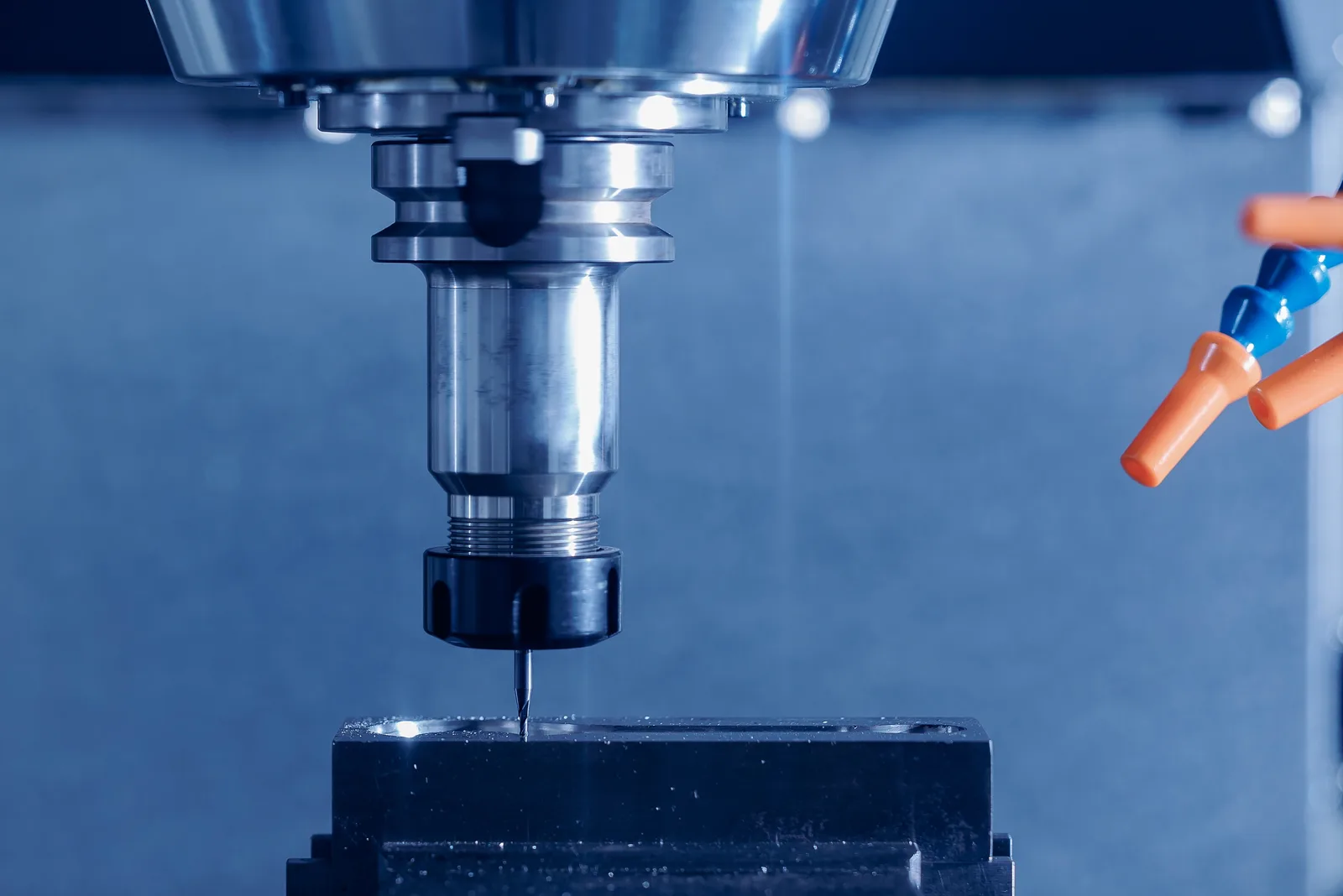

Our Arkansas clients are the state’s machine shops, fabricators, and manufacturers: steel and metals processors, firearms and ammunition makers, aerospace and defense suppliers, food and beverage producers, forest-products operations, and makers of transportation and logistics equipment, along with the contract shops and welders that support them. Several of these sectors produce goods where a failure can cause serious harm, and that shapes the products side of every Arkansas program.
Two Arkansas rules frame the program. Private employers fall under federal OSHA jurisdiction, with an area office in Little Rock, because the state does not operate its own plan. And the Division of Environmental Quality issues air permits of two types, minor source and major source/Title V. Beyond those, what shapes an Arkansas program is mostly what you make, who buys it, and how it moves, which is where this page spends its time.
What drives an Arkansas quote
An underwriter pricing an Arkansas account works from payroll by class, the values of machinery, tooling, buildings, and stock, the end markets your products reach, and your claims history. End market carries most of the liability weight: a firearm component, a steel coil, an aerospace fitting, a logistics system, and a packaged food each carry a very different kind of products exposure, and each is priced on what its failure could cause.
Arkansas’s own mix of industries then moves the number. Firearms and ammunition makers need their products coverage placed with carriers that have an appetite for the class. Steel and metals processors carry heat, heavy handling, and large equipment values. Aerospace and defense customers impose contract flow-downs. Food producers face federal food rules that make recall exposure real. And whatever federal inspectors have recorded on your floor is read on both comp and liability. We quote from your actual operation, not a rate table; our article on how machine shop and manufacturing premiums come together covers the general picture.
River and intermodal logistics add an Arkansas layer. Plants that ship steel, equipment, or bulk goods by barge or rail through a river port depend on handoffs between carriers and terminals, and a loss at any one of them can hold up a customer order. We look at who bears the risk of loss at each point under your sales and purchase terms, and set cargo and inland marine limits to match the value of a typical shipment rather than an average one.
Steel campuses and large processing sites bring a further Arkansas question for the shops that work on them. A contractor or machine shop performing repairs, installations, or fabrication inside a customer’s mill usually signs an access agreement with indemnity, additional-insured, and waiver of subrogation terms, and it may hold the customer’s equipment in its own shop for repair. A products program written around your own plant does not automatically reach that work. We read the agreements before the work begins and add installation and property-of-others coverage where the work calls for it.
From firearms to forest products: Arkansas industries
The Arkansas Economic Development Commission lists aerospace and defense, firearms and ammunition, food and beverage, forest products, metals, and transportation and logistics among Arkansas’s key industries. No two of them need quite the same program.
Firearms and ammunition makers need products coverage from carriers with a specific appetite for the class, with limits that reflect the potential severity of a product failure. Metals producers need property and equipment breakdown coverage sized to the replacement of furnaces, mills, and processing lines, and business income that reflects how long those take to rebuild. Aerospace and defense suppliers need their general liability confirmed for aircraft products and must meet their customers’ flow-down terms. Transportation and logistics equipment makers carry design responsibility, where a system that works safely but falls short of its promised performance is a matter for manufacturers errors and omissions.
Food and beverage producers fall under the U.S. Food and Drug Administration’s food rules, which require facilities that manufacture or process food to register under 21 CFR Part 1, Subpart H and set current good manufacturing practice and preventive controls for human food in 21 CFR Part 117. That framework makes product recall coverage a practical part of their program. Forest-products operations bring saws, chippers, kilns, and dust, where both injury and fire exposure run high, and where housekeeping, dust collection, and spark detection weigh heavily in how a property underwriter views the plant. Contract shops supplying any of these inherit their customers’ requirements, which is why we ask about your buyers first, and then about what those buyers do with your parts once they arrive.
Arkansas shops under federal OSHA
No Arkansas agency runs an OSHA-approved plan for private employers, so federal OSHA holds jurisdiction over most private workers in the state. The agency’s Little Rock Area Office describes itself as the federal office covering private sector employers and workers in Arkansas.
The two federal standards that matter most on a machine floor are 29 CFR 1910.212, requiring machine guarding, and 29 CFR 1910.147, requiring control of hazardous energy during service and maintenance. They reach steel processing lines, CNC cells, sawmill equipment, food processing lines, and equipment assembly alike. Guarding and lockout failures are behind the most serious injuries, so every Arkansas submission we prepare includes your written programs and any inspection history.
Workers compensation for Arkansas employers
Arkansas workers compensation is written by private carriers in a competitive market. An Arkansas employer’s comp price comes down to two inputs, the classification of its payroll and its own loss record. Steel and metals workers, machinists, firearms and ammunition production workers, food processing workers, sawmill workers, and office staff each belong in a different class, some with much higher rates than others, and payroll found in the wrong class is reassigned at audit.
Employers liability, carried within the comp policy, responds when a workplace injury becomes a lawsuit, and we coordinate it with the general liability program. The workers compensation page explains the mechanics, and our guide to lowering comp costs for manufacturers lists what carriers reward. Arkansas companies with employees working in Tennessee, Missouri, Oklahoma, or Louisiana should report that payroll by state.
How an Arkansas program handles products claims
For an Arkansas manufacturer, products exposure is handled through products-completed operations coverage, which is part of general liability and carries its own aggregate limit. A part or product that leaves your plant can be sold on, installed, used for years, and then blamed for an injury or damage, and the program has to be ready for that claim whenever it arrives.
Four decisions matter most. The limit should reflect the end use of what you ship: a firearm, a steel structural member, or an aircraft fitting calls for more than a general hardware item. The coverage should be continuous, without gaps between carriers, because claims can surface long after a sale. The trigger deserves a deliberate choice: an occurrence policy answers for injury that happened while it was in force, whenever the claim comes, while a claims-made policy answers for claims first made during its term back to a retroactive date, so a carrier change or sale needs tail coverage. And vendors endorsements, which extend your products coverage to dealers and distributors that sell your goods, should match your dealer agreements.
Records support every one of those decisions. Drawings, inspection data, lot tracing, and shipping documents show the condition in which a product left your plant; warnings, manuals, and labels show what users were told. Both are often central to defending a products claim. We explain the trigger choice in occurrence versus claims-made for manufacturers, and the vendor side in additional-insured coverage for manufacturers.
DEQ minor and major source permits
Air permits for Arkansas manufacturers come from the Division of Environmental Quality (DEQ) within the Arkansas Department of Energy and Environment. Its Office of Air Quality issues two types of air permits: minor source and major source/Title V. Steel melting and processing, paint and coating lines, kilns and dryers in forest-products plants, and boilers are the usual reasons an Arkansas plant needs to check before starting a project.
Holding a permit is not the same as insuring a release. General liability and property forms exclude most pollution, so a release from a process, a spill to a drain or the river, or an emissions event from your own operation generally needs a dedicated pollution or environmental policy. Underwriters for manufacturing insurance accounts with melting, coating, or kiln operations ask about DEQ permits directly.
The chart pulls the Arkansas rules and industries on this page into program decisions.
Most Arkansas programs also include commercial property for buildings, machinery, and inventory, including finished goods awaiting shipment at a port or rail siding, and an umbrella for the higher limits that firearms, steel, and defense customers often require.
Four Arkansas locations in the program
We place Arkansas shops and plants statewide. Each of these four locations has a verified feature that changes something in the program, from river freight at the capital to work inside a steel campus at Osceola.
Little Rock
The Port of Little Rock offers year-round access to the Arkansas River along with intermodal facilities. Manufacturers shipping steel or equipment through it need cargo terms that follow each barge or rail load and define when risk of loss passes.
Fort Smith
Walther is expanding in Fort Smith. Suppliers to firearms manufacturing there face products exposure tied to the finished firearm and customer terms on limits and certificates, so their coverage should be written with carriers comfortable with the class.
Jonesboro
Hytrol has been in Jonesboro for decades and is featured among Arkansas’s transportation and logistics industries. Machine shops and fabricators supplying logistics-equipment makers should expect design-driven customers and consider errors and omissions alongside products coverage.
Osceola
Ferrosource is building a metal processing facility on the Big River Steel campus in Osceola. Contractors and shops working inside a steel campus need liability terms that match the owner’s access agreements, including additional-insured and waiver requirements.
Arkansas sits on our license roster of 48 states. Companies with sites across state lines can also see our pages for Tennessee, Missouri, Oklahoma, Louisiana, Mississippi, and Texas, or open the full list of states.
Job-shop work or finished products
Arkansas companies range from pure job shops to makers of finished products sold nationwide. A shop that machines parts to a customer’s drawing should start with our page on machine shop insurance, focused on equipment, tooling, and floor exposures. If welding or fabrication is the core of the work, our page on metal fabrication insurance fits better, since hot work and installed work lead there. A company that designs and sells firearms, equipment, food, or metal products under its own name should start with our page on manufacturing insurance, where products liability, recall, and errors and omissions carry more weight. When a business does both, we write a single program and keep each side on its own rating basis. For a job shop that starts selling a product line of its own, whether a firearm accessory, a piece of equipment, or a food-grade component, the program should change at that point, because the new line brings design, warning, and recall exposure that contract work never did.
Arkansas plant and shop coverage, question by question
Is my Arkansas shop inspected by federal OSHA?
Yes. Arkansas has no OSHA-approved plan for private employers, so federal jurisdiction applies to most private workers in the state. The Little Rock Area Office covers private sector employers and workers in Arkansas. The federal guarding and hazardous-energy control standards apply, and carriers ask to see your programs for both before they quote.
How should an Arkansas manufacturer set up products coverage?
Size the products-completed operations limit to the end use of what you ship, keep the coverage continuous without gaps between carriers, choose between occurrence and claims-made forms deliberately, and write vendors endorsements that match your dealer agreements. Good records of shipped condition and clear warnings and manuals support the defense when a claim arrives.
Do Arkansas firearms makers need special products coverage?
Usually. We place firearms and ammunition products coverage with carriers that have an appetite for the class, at limits that reflect how severe a product failure could be for the people using it. Suppliers to firearms makers should also check their own coverage, since components can be drawn into claims about the finished firearm.
Which Arkansas agency issues air permits?
The Division of Environmental Quality, part of the Arkansas Department of Energy and Environment. Its Office of Air Quality issues minor source and major source/Title V permits. Steel processing, coating lines, kilns, and boilers are common reasons to check. General liability and property forms exclude most pollution, so releases need a separate pollution policy.
Does an Arkansas food producer need recall coverage?
Yes, in most cases. FDA registration of food facilities falls under Part 1, Subpart H of 21 CFR, and Part 117 governs preventive controls for human food. When contamination or a labeling problem forces product off shelves, general liability will not pay to retrieve it, but recall coverage will, and many buyers expect it.
Is Arkansas workers compensation written by private insurers?
Yes, in a competitive market. Price depends on how payroll is classified and on your claims history. We check that steel workers, machinists, firearms and ammunition production workers, food and sawmill workers, and office staff are each in the right class, and we keep employers liability aligned with the general liability program.
Get an Arkansas metals, firearms, or machine shop quote
Tell us what your Arkansas operation makes, how it ships, and who buys it, and we will take it to carriers that write your class.