

Colorado machine shop and metal fabrication insurance usually combines general liability with products-completed operations, property and equipment breakdown, workers compensation, and commercial auto in a single program. For a shop that machines parts and also fabricates and installs, the Colorado points on our state page, from federal oversight to product time rules, help decide how that program is built.
Why a combined shop needs a single program
A shop that both machines and fabricates is usually best served by one coordinated program rather than separate policies bought piece by piece. The two sides of the business share a building, a payroll, a truck fleet, and often the same customers, so splitting them across unrelated policies tends to leave gaps where they overlap.
The difference between the two sides is real, though. Machining to print is mostly a shop-floor exposure: tight tolerances, customer material in your care, and parts that leave the building and go into someone else’s assembly. Fabrication brings heat, sparks, heavy lifting, and often field work, where your crew installs what it built at a customer’s site. Our pages on machine shop insurance and metal fabrication insurance describe each side on its own. This post is about holding both in a single program in Colorado.
The practical goal is that every activity your shop performs shows up on the application, gets a classification the carrier accepted, and lands inside a policy whose wording reaches it.
The machining side: parts to print and customer property
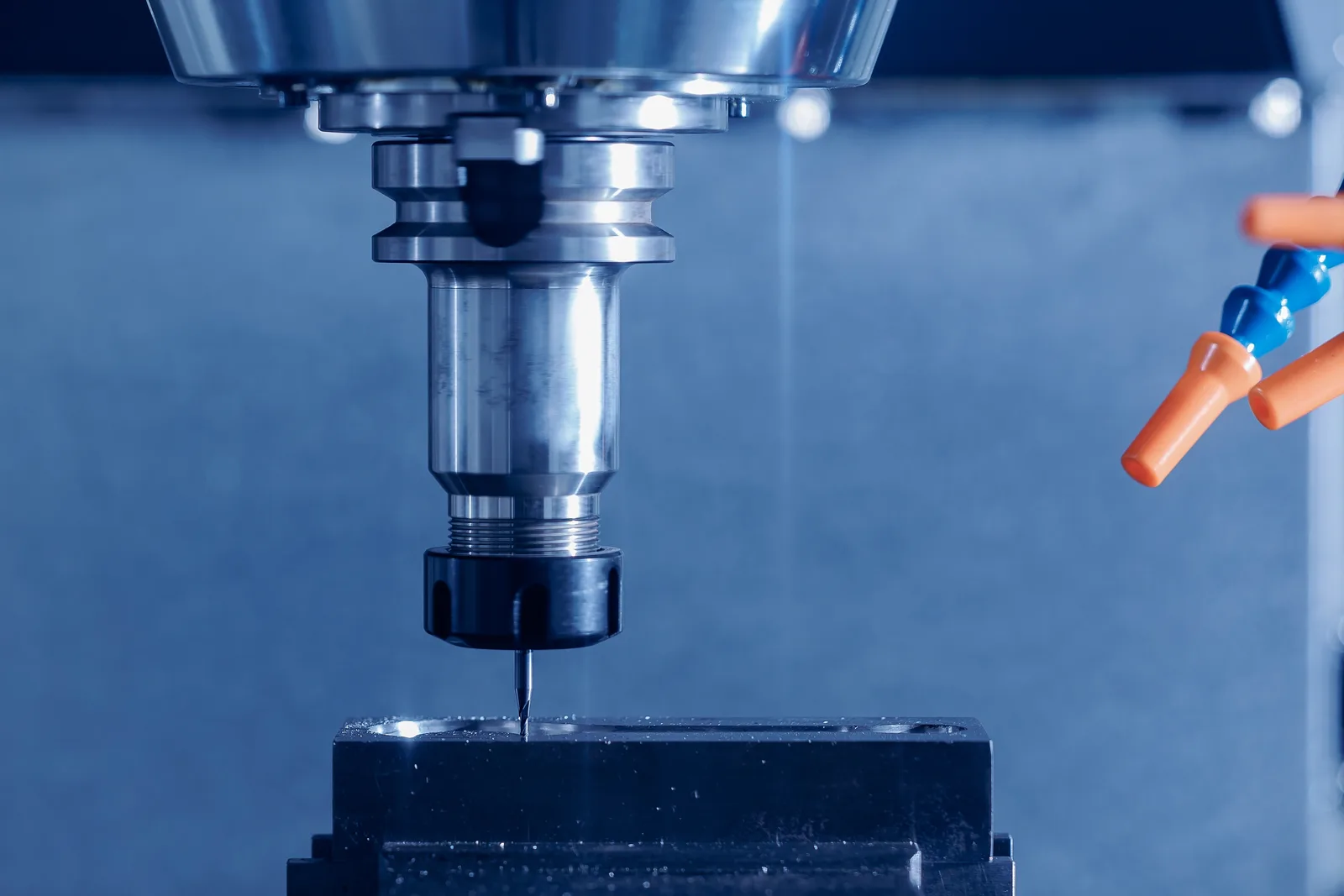
The machining side is usually built around products exposure and the property of others. When you turn, mill, or grind parts to a customer’s drawing, the main liability risk is that a finished part fails later in the customer’s product. That is a products-completed operations exposure, and it usually sits inside your general liability policy. Our explainer on what products-completed operations covers walks through how that part of the policy works.
Customer-owned material is the other recurring issue. Bar stock, forgings, and castings a customer ships you are in your care while you work them, and many liability forms exclude damage to property in your care, custody, or control. Shops often close that gap through property-of-others coverage on the property side or an endorsement, and the wording decides how far it reaches. A spindle crash or a controller fault that scraps a customer’s material is a common way that gap shows up, and our article on equipment failure that damages customer parts follows that claim from start to finish.
The fabrication side: hot work, field installation, completed operations
The fabrication side usually raises the fire, injury, and completed-work exposures that a pure machining shop does not have. Welding, plasma cutting, and grinding create hot work hazards inside your building, which underwriters weigh when they price property and look at housekeeping, separation, and fire protection.
Field installation is the bigger shift. When your crew sets stairs, platforms, railings, or structural members at a customer’s site, you take on premises liability in someone else’s building, possible damage to the customer’s property, and auto exposure for the trucks that haul the work. Once the job is done, the installed work becomes completed operations, which can trigger claims long after your crew leaves. Customer and general contractor agreements commonly ask for additional insured status for both ongoing and completed work, and our guide to additional insured endorsements for manufacturers explains how those requests are usually met.
Real-World Scenario: A Colorado shop that has machined hydraulic components for years starts building and installing equipment platforms for the same customer. The owner adds the work without telling the agent, assuming the existing liability policy follows the crew. A platform bolt later fails at the customer’s plant and a worker is hurt. The claim reaches the carrier, which questions whether field installation was ever described or rated. The shop learns that the new work needed to be on the application before the crew ever left the building.
The classification question
How the operations are classified usually decides whether a combined program holds up. Carriers rate general liability by class, and a machine shop class and a fabrication or installation class carry different exposures. If the application describes your shop as machining only, fabrication and field work may fall outside what the underwriter agreed to write.
Workers compensation works the same way. Machinists, welders and fitters, field installers, drivers, and office staff each tend to belong in their own class, and the classifications drive the price. Our Colorado page makes the related point that combined operations can be written as one program with each part rated on its own basis, and that field service revenue should be kept separate from product sales on the application because the two are underwritten on different terms. Revenue and payroll split by activity give the underwriter what it needs and give you a program that matches how the shop actually runs.
What both sides share
Several coverages usually serve both sides of the shop at once. Commercial property covers the building, if you own it, plus machines, welding equipment, tooling, and stock. Equipment breakdown responds to mechanical and electrical failure that standard property forms often leave out, which matters for CNC machines and large welding power sources alike; our article on what equipment breakdown covers explains the triggers. Commercial auto covers the trucks that deliver parts and haul fabricated work to job sites.
Workers compensation covers employees on both sides of the wall, with employers liability inside it for lawsuits that grow out of workplace injuries. An umbrella usually sits over the general liability, auto, and employers liability policies so a large claim from either side draws on the same higher limit.
The machining side
Parts made to a customer’s print
Customer material in your care
Products exposure after parts ship
The fabrication side
Hot work inside the shop
Field installation at customer sites
Completed operations after the crew leaves
Shared across both
Property for building, machines, and stock
Equipment breakdown for machine failure
Workers compensation and commercial auto
What Colorado adds
Federal OSHA oversight and a private comp market
Product time rules and record keeping
Air permit filings for finishing and coating
What Colorado adds to the program
Colorado shapes the program through oversight, the comp market, product time rules, and air permitting, and our Colorado state page covers each in detail. On oversight, private shops in Colorado fall under federal OSHA rather than a state-run plan, with an area office in Denver handling the state. Underwriters ask about machine guarding and lockout on the machining side and hot work and fall protection on the fabrication side, so written programs and any inspection history belong in the submission.
Workers compensation in Colorado is written by private carriers in a competitive market, and the price rests on classification and loss history. If your installers or fitters work jobs in neighboring states, the state page notes that payroll should be reported by state.
Colorado also has its own product time rules. The page explains a limitation period in C.R.S. § 13-80-106(1) that applies regardless of legal theory, a repose period in § 13-80-107(1)(b) that reaches only new manufacturing equipment, and rebuttable presumptions in § 13-21-403(3) that favor manufacturers on older products. None of them ends exposure for every part or installation, which argues for keeping products-completed operations coverage continuous and keeping records of what shipped and when. Our comparison of occurrence and claims-made forms explains why the form choice matters when a claim arrives late.
Finally, if you run coating, painting, or solvent processes, the Colorado Department of Public Health and Environment handles air emission notices and permits. A permit is not insurance, and most liability and property forms exclude pollution, so finishing lines often call for a separate pollution policy.
Colorado customers and contract terms
Colorado customers often decide the limits and endorsements a combined shop carries. Our state page notes that Colorado manufacturing spans aerospace, electronics, energy, biomedical, and food sectors, and that aerospace customers there write detailed insurance terms into their contracts. Some general liability forms treat aircraft and space products separately, so a shop machining or fabricating for that work should confirm the form responds; our article on aerospace and defense manufacturing insurance covers that exposure. Energy customers commonly ask suppliers to carry pollution coverage and name the operator as an additional insured.
Higher limit requests are usually met with an umbrella rather than by raising every underlying policy. Read each contract’s insurance section before signing, since it may also ask for waivers of subrogation or primary and noncontributory wording.
Putting the Colorado program together
Building the program starts with an accurate picture of the shop. Describe what you machine, what you fabricate, whether you install in the field, where your crews travel, and who your largest customers are. Split payroll and revenue by activity, list equipment and building values, and include any written safety programs and air permit filings.
When you are ready, request a Colorado quote and we will take the full picture to carriers that write combined machining and fabrication operations.