

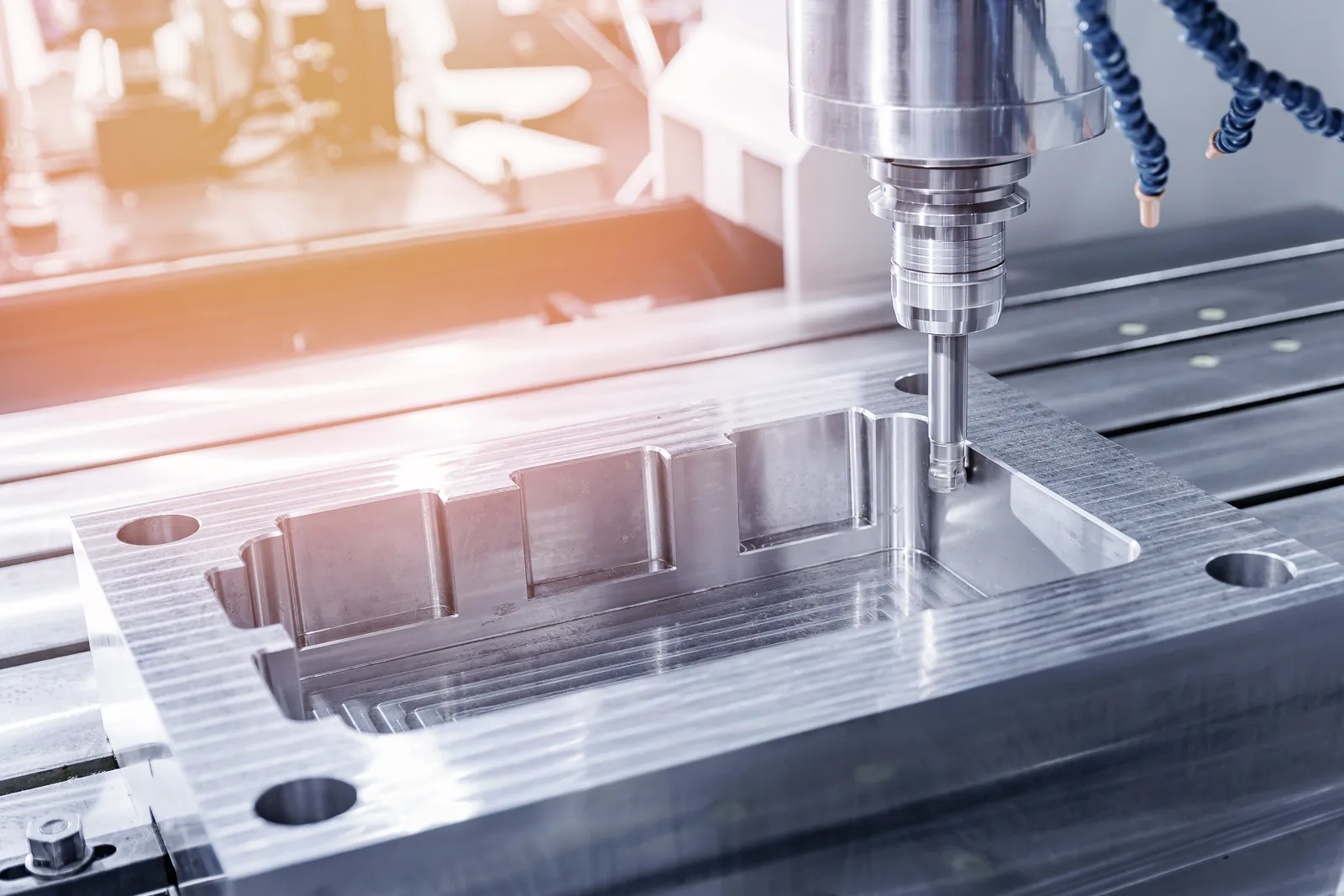
When comparing property insurance quotes for a machine shop, the cheaper quote is often the one that values your machines lower, leaves out equipment breakdown or business income, or carries smaller sublimits. Line the quotes up on valuation, machinery and stock limits, breakdown, income, deductibles and sublimits before you look at price, because those decide what a claim actually pays.
Why a lower quote is often a smaller policy
A lower property quote usually reflects less coverage rather than a sharper price for the same coverage. Carriers price what they are asked to insure, so a quote built on lower values, fewer coverage parts or tighter conditions will come in under a quote that carries more of your shop.
The difficulty is that property quotes rarely arrive in the same format. Each agent summarizes differently, some list every coverage part and others show a single blanket limit, and the conditions that change a claim often sit in a schedule of endorsements rather than on the summary page. Competing quotes can look alike on the cover sheet and pay very differently after a fire.
The fix is to compare in a fixed order: how the property is valued, what is listed, what is added and what is limited. Price comes last. Our page on property coverage explains the coverage itself, so this article stays on the method for reading quotes against each other.
Building, business personal property and tenant improvements
Every quote should separate the building from your business personal property, and you should check that each quote lists both the way your shop actually exists. If you own the building, it needs its own limit. If you lease, the building is usually your landlord’s to insure, and the lease decides what falls to you.
Business personal property is where most machine shop value lives: machines, tooling, fixtures, gauges, inspection equipment, raw stock, work in process and finished goods. Some quotes show a single limit for all of it, and others break machinery out from stock. Either can work, but the total should reflect what is really on the floor during a busy month, not what was on an old schedule.
Tenant shops have a third item to check. Improvements you paid for in a leased space, such as power drops, compressed air lines, reinforced floors for heavy machines, foundations and mezzanines, are often treated as tenant improvements and betterments. A quote that omits them may leave those costs uninsured if the building burns. Read the lease alongside the quotes so you know which side owns which improvement.
How each quote values your machines
Valuation is often the biggest hidden difference between quotes, and it is worth checking before anything else. Replacement cost generally pays to replace the machine with comparable new equipment, while actual cash value usually subtracts depreciation, which can shrink the payment on an older but productive machine. Our guide to replacement cost versus actual cash value walks through how that choice plays out at claim time.
Check whether the valuation is the same across the whole quote. Some policies apply replacement cost to the building and actual cash value to older equipment, or treat used machinery differently from new. Ask how a machine that is no longer made would be valued, since the closest current model may cost more than the one you lost.
Then look for a coinsurance condition. In plain terms, coinsurance expects you to insure your property close to its full value, and if your limit turns out to be too low at the time of a loss, the payment can be reduced in proportion to the shortfall. Some carriers offer agreed value instead, which commonly suspends that penalty for the term if you sign a statement of values. Which approach a quote uses, and what it requires of you, depends on the policy wording. Our page on machine and equipment coverage covers how scheduled machinery is often handled.
Equipment breakdown: included, endorsed or missing
Equipment breakdown is frequently the coverage that separates a cheaper quote from a fuller one, so confirm whether each quote includes it. Standard property forms often exclude mechanical and electrical failure, which means a burned-out spindle motor, a failed servo drive or a shorted controller may not be covered without it.
Quotes handle breakdown in different ways. Some include it within the property policy, some offer it as an optional endorsement shown separately, and some leave it out entirely and expect it to be bought elsewhere. Check the limit, the deductible, whether it extends to spoilage or business income after a breakdown, and whether it covers the electronics and controls that run your CNC equipment. Our comparison of equipment breakdown and property insurance explains where the line between the two usually falls.
Business income and the time it takes to replace a machine
Business income coverage, often paired with extra expense, usually pays lost net income and continuing costs while a covered loss keeps your shop from running. Check that every quote includes it, what limit it carries and how long it will pay.
The key term is the period of restoration. Many forms pay only for the time it should reasonably take to repair or replace the damaged property, which sounds generous until you price a replacement machine with a long lead time, rigging, a foundation, installation and programming. Some forms cap the period or start it after a waiting period, and some offer extended business income for the stretch after you reopen while customers return.
Extra expense matters too. Moving work to another shop, renting equipment or running overtime to keep a key customer can cost more than the income you lose, and quotes treat those costs differently. Our article on business interruption for manufacturers covers that exposure in depth.
Real-World Scenario: A job shop owner gathers property quotes at renewal and nearly picks the lowest one. Reading them side by side, the agent points out that the lower quote values machinery at actual cash value, shows no equipment breakdown, and carries a small built-in limit for property of others. The shop runs older horizontal machining centers and holds expensive customer forgings on most days. The owner chooses a fuller quote after seeing that the price gap came almost entirely from coverage the shop would need after a fire or a failed controller.
Sublimits that bite machine shops
Sublimits are smaller caps inside the overall limit, and they are where many machine shop claims come up short. A quote can show a healthy business personal property limit and still restrict the categories your shop depends on most.
Check each of these on every quote:
- Tooling, dies, molds and patterns. Some forms cap these separately, and a toolroom or a set of customer-owned dies can exceed that cap quickly. Our guide to tool and die shop insurance looks at that exposure.
- Property of others. Customer castings, forgings and bar stock in your care often have their own small limit and may be excluded while being worked on. Our article on equipment failure that damages customer parts covers how that plays out.
- Property off premises. Parts and tooling at a heat treater, plater or grinder may sit under a limited extension or outside coverage altogether.
- Outdoor property. Racks of stock, scrap bins and equipment stored outside are commonly restricted.
- Electronic data. Programs, CAD files and machine parameters may carry a narrow limit for restoration.
Deductibles, safeguards and the causes of loss form
Deductibles, protective safeguard conditions and the causes of loss form round out the comparison, and each can change a claim result. Start with deductibles. A higher deductible lowers premium, so make sure the quotes you compare use similar ones, and check whether breakdown, wind or theft carries its own.
Protective safeguard endorsements tie coverage to systems such as sprinklers, fire alarms or burglar alarms. If a quote lists a safeguard as a condition and the system is shut off or not maintained, coverage for a related loss can be suspended. Confirm that what the quote assumes matches what your building actually has.
Finally, check the causes of loss form. Basic and broad forms commonly name specific perils, while a special form usually covers direct physical loss unless an exclusion applies. Special form is often the broader choice, but the exclusions still decide. A quote that looks cheaper because it uses a narrower form is offering less, not the same thing for less.
A side-by-side checklist for your quotes
The simplest way to compare is to put every quote on a single page and fill in the same lines for each. Use this list:
- Valuation for building, machinery and stock, and whether coinsurance or agreed value applies
- Limits for the building, business personal property, and tenant improvements if you lease
- Whether equipment breakdown is included, endorsed or missing, and its limit and deductible
- Business income and extra expense limits, the period of restoration and any waiting period
- Sublimits for tooling, property of others, off-premises property, outdoor property and electronic data
- Deductibles for each coverage part
- Protective safeguard conditions and whether your building meets them
- The causes of loss form
How it is valued
Replacement cost or actual cash value
Coinsurance or agreed value
What is listed
Building and tenant improvements
Machines, stock and tooling
Customer parts in your care
What is added
Equipment breakdown for machine failure
Business income and extra expense
What is limited
Sublimits and deductibles
Protective safeguard conditions
Once the lines are filled in, the differences in price usually explain themselves. If you are weighing a package against separately written property, our article on a business owners policy for machine shops shows where package forms tend to fit, and the way we approach machine shop operations starts with the same walk through the floor.
If you want us to line up the quotes you already have, or build a new one to compare against, send us your details: the building, the machines, the tooling and customer material on the floor, and the outside processors you use.